


How to Create a Relaxed Atmosphere for Guests at Home
Hosting at home can feel exciting at first—until the pressure starts to build. Many hosts worry about whether guests will feel awkward, whether the house looks good enough, or whether the night will feel stiff and overly formal.
It’s easy to think you need to get every detail right. Perfect food, perfect timing, perfect décor, perfect conversation. But most guests do not remember those details nearly as much as hosts think they do.
What people usually remember is how the evening felt. Did they feel welcome? Comfortable? Able to relax and be themselves?
That is why creating a relaxed atmosphere for guests matters more than chasing perfection. With a few thoughtful choices, you can make guests feel at ease while creating a more enjoyable, stress-free hosting experience for yourself.
What Actually Makes a Gathering Feel Relaxed?
A relaxed gathering is usually built on comfort, flow, and low pressure. It is not about doing less. it is about choosing the right things.
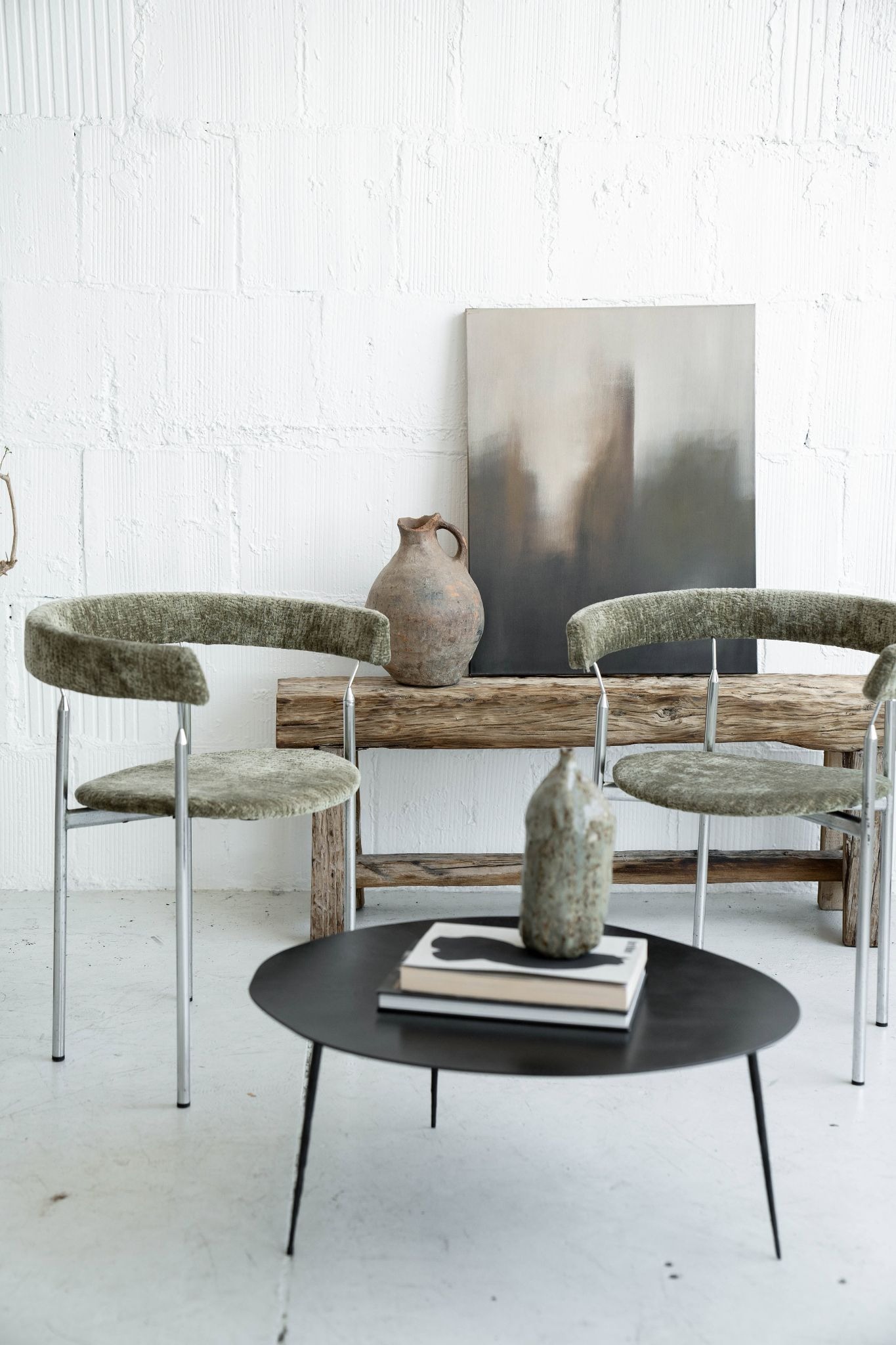
1. Comfort
Guests relax faster when the environment feels easy to be in. That can mean comfortable seating, enough room to move around, and access to basics like water, napkins, or a place to set a drink down. Even small changes, such as adding an extra chair or clearing cluttered surfaces, can make a noticeable difference.
2. Flow
Flow is how naturally the evening moves. Guests should understand where to go, where conversations are happening, and how to help themselves without needing constant direction. When people feel unsure of where to stand or what is happening next, the room can feel tense.
3. Lack of Pressure
People enjoy themselves more when they do not feel like they need to impress anyone. A relaxed atmosphere allows guests to chat casually, eat when they are hungry, and participate at their own pace. The less pressure people feel, the more natural the energy becomes.
How Do You Set the Tone Before Guests Arrive?
The atmosphere begins before the first guest walks in. A little preparation removes friction early and helps everyone settle in faster. The goal is not to make your home look perfect; it is to make it feel welcoming, simple, and easy to enjoy.
1. Keep the Space Clean, Not Over-Styled
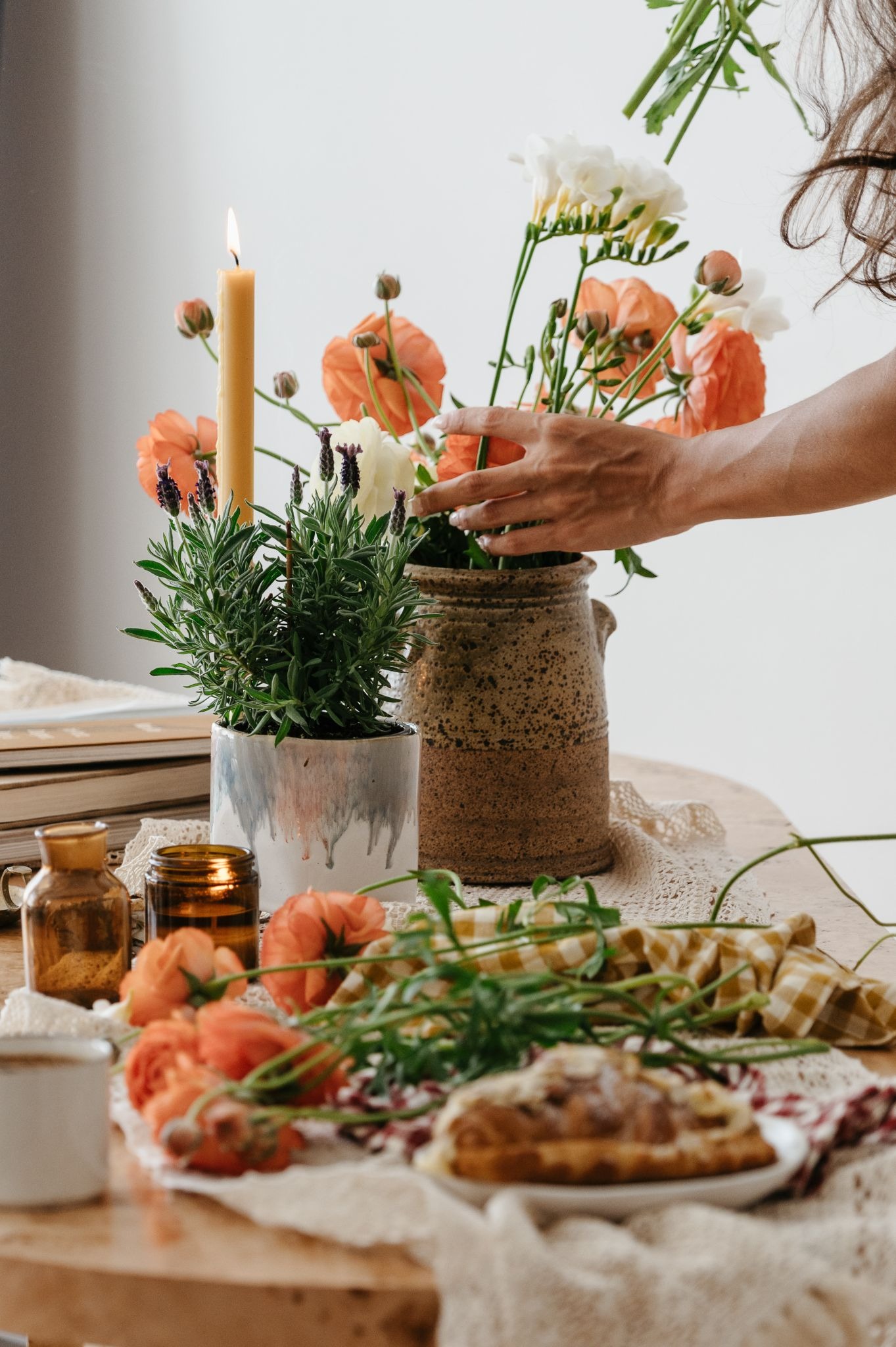
A clean space feels inviting, but it does not need to feel staged. Focus on the areas guests will actually use, such as the entryway, bathroom, kitchen counters, and seating areas. Clear clutter, wipe surfaces, and create breathing room where possible. If you want a finishing touch, a simple vase of flowers or a lightly scented candle can make the room feel cared for without trying too hard.
Quick finishing touches:
- Fresh flowers in a small vase
- Neutral scented candle
- Storage basket for quick clutter cleanup
2. Create a Clear Setup
Guests feel more comfortable when they can immediately understand the space. Make it clear where coats should go, where drinks are, and where people can sit. A small drink-and-snack station allows people to help themselves naturally and eliminates awkward questions early.
Easy hosting station ideas:
- Sparkling water packs (Perrier or San Pellegrino)
- Neutral serving tray
- Ice bucket or beverage tub
- Simple snack bowls
3. Have Music Ready
Silence can make early arrivals feel awkward, especially when only a few people have arrived. Soft background music adds warmth and fills empty space without taking over the room. Acoustic playlists, mellow jazz, or light pop are reliable choices. Keep the volume low enough that conversation still feels effortless.
Spotify suggestions:
4. Consider Lighting and Temperature
Bright overhead lights and an uncomfortable room temperature are easy ways to create tension without realizing it. Softer lighting from lamps or warm bulbs helps a room feel more relaxed. It also helps to adjust the air conditioning, open windows, or use fans before guests arrive so the space feels comfortable from the beginning.
Atmosphere boosters:
- Warm LED light bulbs
- Table lamp or floor lamp
- Small fan for warm rooms
- Battery candles for soft lighting
How Should You Greet Guests to Make Them Feel Comfortable?
The first few minutes after someone arrives often set the emotional tone of the evening. Guests quickly decide whether the event feels formal and high-pressure or casual and easygoing.

1. Welcome Them Warmly, But Casually
A genuine smile and a simple greeting are often all you need. You do not need to make the moment feel ceremonial. Saying something like “Glad you made it” or “Come in, we’re just getting started” immediately creates a more relaxed tone.
2. Give Them an Easy Next Step
People feel more at ease when they know what to do right away. Offer to take their coat, point them toward drinks, or introduce them to one person nearby. Small guidance removes uncertainty and helps them settle in quickly.
3. Avoid Over-Hosting Immediately
You do not need to entertain guests the second they enter. Avoid apologizing for unfinished details or rushing to impress them. Let people arrive naturally, look around, and ease into the space at their own pace.
How Do You Make Guests Feel Comfortable Throughout the Night?
Once everyone has arrived, good hosting becomes less visible. Your role shifts from welcoming people to maintaining a comfortable atmosphere in the background.
1. Make Things Self-Serve Where Possible
Guests feel more relaxed when they can help themselves. Keep water, drinks, napkins, and snacks visible and accessible. This removes the feeling that they need permission for every small thing and also gives you more freedom to enjoy the evening.
Self-serve essentials:
2. Check In Without Hovering
Strong hosts pay attention without being overbearing. Notice if someone needs a refill, if a new guest needs to be introduced, or if food needs refreshing. A calm, occasional check-in feels thoughtful, while constant monitoring can make guests self-conscious.
3. Let Guests Move Freely
Some guests like to stay seated in one conversation, while others prefer moving between rooms or talking in smaller groups. Let people use the space naturally. If guests drift between the kitchen, living room, and patio, it often means they feel comfortable.
What Kind of Setup Helps Create a Relaxed Atmosphere?
The physical setup of your home shapes how guests feel, often without them realizing it. A few practical adjustments and stress-free hosting essentials can make the entire gathering feel easier.
1. Seating Should Feel Flexible
Guests do not need rigidly assigned spots unless it is a formal dinner. A mix of sofa seating, chairs, stools, and standing space usually works better than forcing everyone into one arrangement too early. The goal is to give people options.
Flexible seating picks:
2. Lighting Should Feel Soft
Lighting has a major impact on mood. Harsh ceiling lights can make a room feel sterile, while lamps, candles, or warm-toned bulbs feel softer and more inviting. If your lighting feels too bright, turning off one overhead light can immediately change the atmosphere.
4. Food and Drinks Should Be Easy to Reach
Guests relax when they know where everything is. Keep glasses visible, place snacks within reach, and make water easy to find. Convenience creates ease.
Suggested items:
How Much Structure Should a Relaxed Gathering Have?
Many people assume relaxed hosting means having no plan at all. In reality, a little structure often helps people feel more comfortable.
1. Have a Clear Start Time
Guests appreciate knowing when to arrive. A clear invitation time reduces uncertainty and helps the evening begin smoothly.
2. Let the Night Build Naturally
A relaxed flow might start with drinks and conversation, move into food later, then wind down with dessert or another round of drinks. This rhythm feels natural without being rigid.
3. Use Structure to Reduce Confusion
Simple timing cues help guests know what to expect. People relax more when they are not wondering when dinner starts or whether they should leave soon.
What Should You Avoid If You Want Things to Feel Relaxed?
Sometimes creating ease is more about removing tension than adding anything new.
1. Over-Scheduling
Too many planned moments can make a gathering feel managed instead of natural. Leave room for spontaneous conversation and downtime.
2. Complicated Menus or Setups
If the host is stressed in the kitchen all night, guests feel it. Simpler meals and easy serving styles usually create a better atmosphere than ambitious menus.
3. Hovering or Over-Managing
Constantly asking whether everyone is okay or apologizing for small details can make guests more aware of imperfections than they ever would have been.
4. Too Many Expectations
Guests should not feel pressure to stay late, drink alcohol, socialize nonstop, or behave a certain way. Relaxed hosting gives people space to enjoy themselves naturally.
How Do You Keep the Energy Comfortable (Not Awkward)?
Many hosts worry about awkwardness, but it is usually solved by creating comfort rather than forcing entertainment.
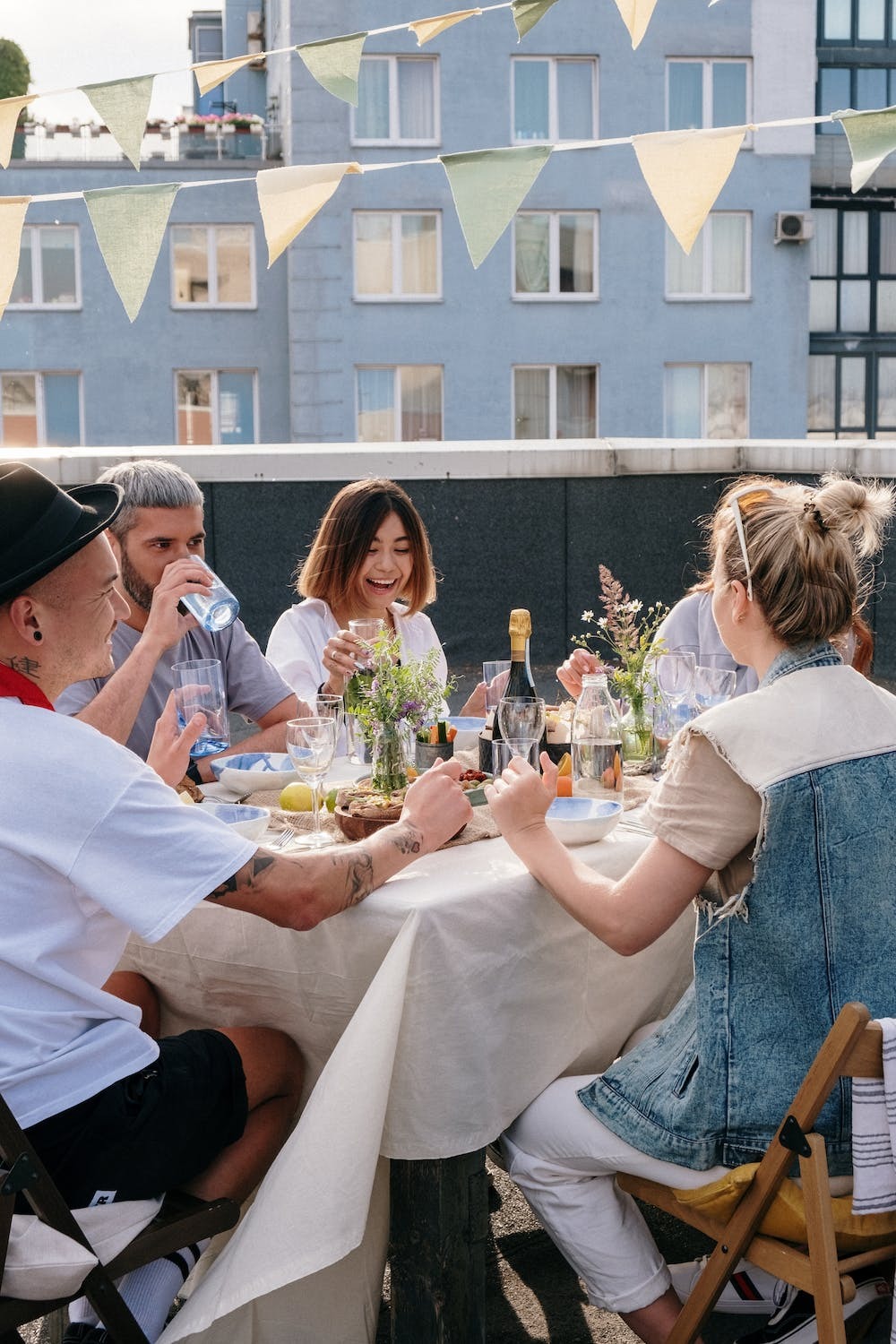
1. Use Light Activities If Needed
If guests do not all know each other, a casual game, playlist requests, or shared food activity can create natural conversation without pressure.
Suggested ideas:
- Uno or card deck
- Trivia cards
- Shared playlist queue
- Simple tabletop game
2. Encourage Smaller Conversations
Not every moment needs to be one large group discussion. People often connect faster in pairs or small groups.
3. Allow Quiet Moments
A few seconds of silence does not mean the night is failing. Comfortable pauses are normal and often a sign that people feel at ease.
When Does a Relaxed Hosting Style Work Best?
A relaxed hosting style works especially well for smaller gatherings, casual dinners, weekend hangouts, and mixed groups where not everyone already knows one another.
It is ideal when your goal is connection rather than performance. If you want people to stay longer, talk more naturally, and leave feeling good, this style usually works best.
Final Thoughts
If you want to create a relaxed atmosphere for guests, focus less on impressing people and more on removing friction.
Comfortable seating, soft lighting, accessible drinks, and a low-pressure tone often matter far more than expensive décor or complicated plans.
When guests feel free to settle in and be themselves, the gathering becomes easier and more memorable for everyone—including the host.
Ready to make hosting easier?
If you’re planning a dinner party, brand activation, or intimate gathering, Partytrick’s playbooks walk you through the full setup—from layout to lighting—so you can feel organized and actually enjoy hosting.
Here are a few to get you started:
Sign up for a free Partytrick account to unlock guided playbooks, curated marketplace finds, and simple tools that help you plan, organize, and actually enjoy your gathering.
More articles
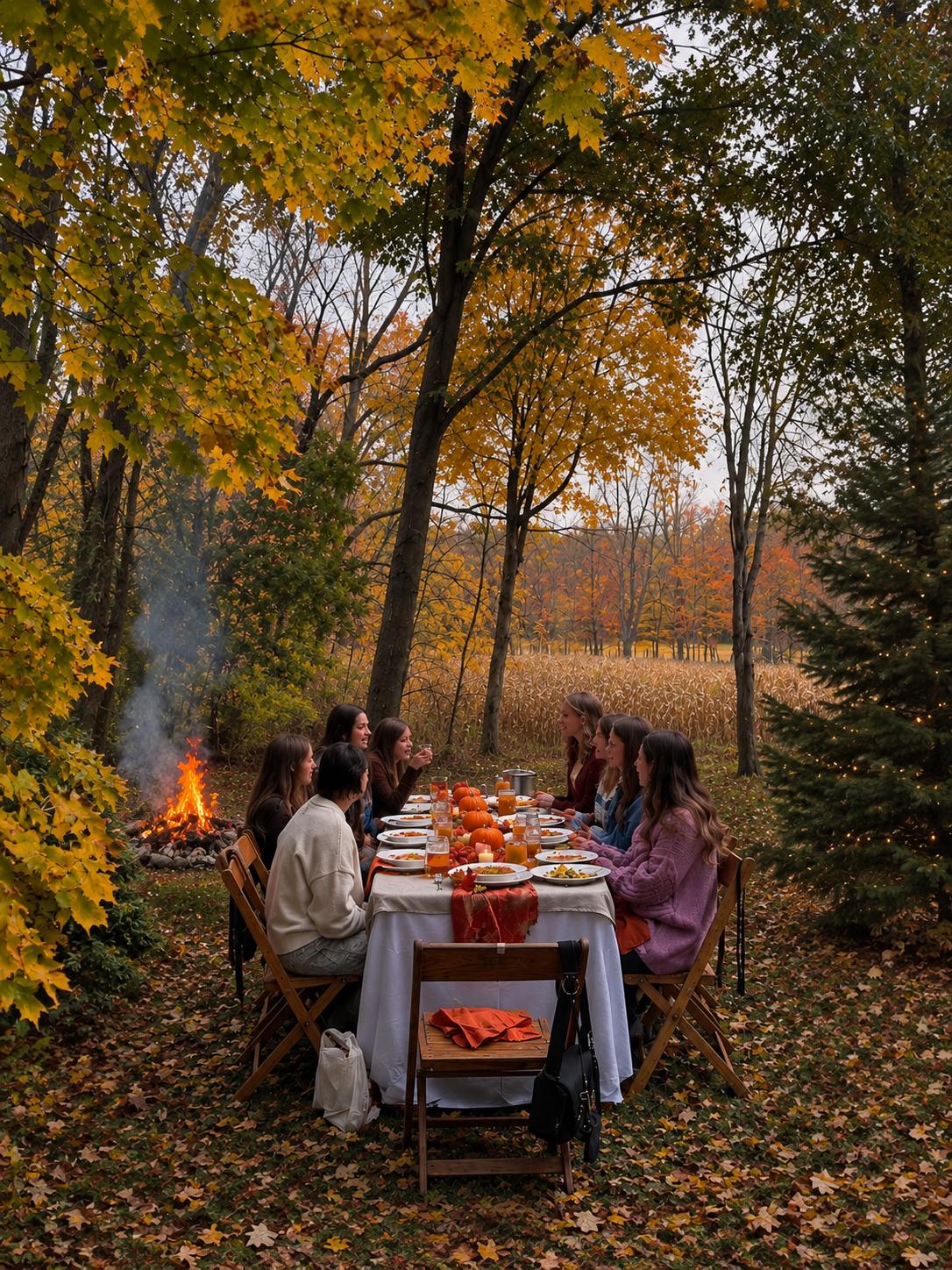
Five Gatherings to Put on Your Calendar This Fall
Plan meaningful fall gatherings with ideas for a dinner party, soup night, a football watch party, a cider tasting, and a cozy game night.


Host How I Host: Jen Lagedrost Cavender on Creating Immersive Gatherings
For Jen Lagedrost Cavender of Nectar & Bloom, memorable hosting begins with a theme and blooms through flowers, thoughtful details, and playful ways for guests to connect. Her approach proves that an immersive gathering can feel elevated without becoming overly complicated.
Ask Partytrick: What Do You Do When Guests Don't Know Each Other?
Practical, low-pressure ways to help guests who don't know each other feel comfortable, from thoughtful introductions to a room that makes conversation easy.

Sign up for expert tips, exclusive content, and the 411 on the latest parties—all straight to your inbox.
Your shortcut to stress-free hosting
Spend less time coordinating and more time actually connecting.