


How to Start a Monthly Parents’ Night In
Once the school year gets moving, it's easy to say you’ll get together soon and then watch three months disappear.
There are practices, homework, permission slips, work deadlines, early bedtimes, late pickups, and the general end-of-day feeling of having answered too many questions. By the time everyone has a free night, it can feel easier to stay home than to coordinate one more thing.
Adult friendship needs a little structure, too.
A monthly parents’ night in is one of the simplest ways to stay connected during the school year without adding another complicated event to the calendar. It gives neighbors, classroom parents, and school friends a reason to gather that does not depend on a birthday, holiday, fundraiser, or perfectly timed free weekend.
It also takes the pressure off. You are not planning a gala. You are not trying to impress everyone with a new theme, a full dinner menu, or a house that looks untouched by actual family life. You are opening the door, putting out something to drink, and giving people a place to land for a few hours.
If you have been looking for realistic parents’ night ideas that help build community without becoming another project, start small. Pick a night. Invite a few people. Let the tradition grow from there.

Start with a small, consistent group
The first parents’ night in does not need to include every family on the block or the entire class list. In fact, it probably should not.
Start with six to ten parents. That size is large enough to keep the conversation moving, but small enough that people can actually talk to one another. A group that size can gather around a kitchen island, sit in a living room, or spread out on the patio without making the host feel like they need to rearrange the house.
Think about the people who already overlap in your daily life. Maybe it is a few neighbors you wave to during school drop-off. Maybe it is parents from your child’s classroom, the soccer sidelines, the dance studio waiting area, or the families you always mean to invite over after a school event. You can mix circles, too. A few neighbors, a few school parents, and a friend or two from weekend activities can make the group feel fresh without feeling random.
The key is not to create the perfect guest list. It is to choose people who are likely to enjoy spending time together and who would appreciate an easy reason to connect.
You can always invite new people as the group evolves. A monthly parents’ night works best when it has a steady core, but that does not mean it has to feel closed. Once the rhythm is established, adding a new family from school or a neighbor who just moved in feels natural.
Consistency gives friendships room to deepen.
The first night may be mostly introductions and small talk about the school year. By the third or fourth gathering, people remember each other’s drink orders, ask about work updates, compare weekend plans, and offer help before anyone has to ask. That is how parent social ideas become actual community.
Pick a schedule everyone can remember
Recurring gatherings often fall apart because the planning gets too complicated.
If every month requires a new group text, a new poll, and a long discussion about dates, someone will eventually get busy, and the whole thing will slip. The easier move is to pick a schedule people can remember without looking it up.
Try the first Thursday of every month. Or the last Friday. Or the second Wednesday after bedtime. The exact day matters less than the repeatability. A standing pattern helps people plan around it and makes the gathering feel like part of the rhythm of the school year rather than a one-off that may or may not happen again.
Once you have a date pattern, put several months on the calendar at once. Send calendar invites so people can accept, decline, or keep the night visible. If your group uses a shared text thread, pin the next date or send a simple reminder the week before.
Holidays, school breaks, and sports seasons may require a little flexibility. That is fine. You can move December’s gathering earlier, skip a month during spring break, or shift a Friday if half the group has a tournament. The point is not perfect attendance. The point is creating something steady enough that people know another chance to gather is coming.
Not everyone will make it every time. That is part of what makes a monthly tradition feel relaxed. Someone will have a sick child. Someone will be traveling. Someone will simply be too tired. A good parents’ night in can handle that. The gathering continues, and the door stays open for next month.

Rotate hosting responsibilities
One person should not have to carry the whole tradition.
Rotating homes keeps a monthly parents’ night in sustainable, especially for busy families. It also takes away the feeling that there is one official host who has to make every gathering happen. Each month, someone else opens their home, and everyone understands that simple is the standard.
This does not mean every host has to do the same thing. One person may set out wine and cheese. Another may make a pot of soup. Another may order pizza and call it dinner. Someone with a backyard might light the fire pit. Someone with a smaller space might host dessert and coffee after the kids are asleep.
The best rule is this: no one has to top the previous month.
That one expectation can ruin an otherwise lovely tradition. If one host makes a beautiful taco bar, the next host should still feel perfectly comfortable putting out chips, dip, and drinks. If someone loves making seasonal cocktails, great. If someone would rather ask everyone to bring a bottle of wine or a dessert, that's great too.
Shared food responsibilities help. Guests can bring appetizers, drinks, dessert, or something easy to set on the counter. If the host is making the main dish, everyone else can fill in around it. If it is a snack-style night, each person can bring one thing.
The rhythm matters more than the menu. Parents are much more likely to keep showing up when the gathering feels manageable for whoever is hosting that month.
Keep the format simple
The most useful parents’ night ideas are the ones people can repeat.
A monthly gathering does not need a new concept every time. In fact, it may work better if the format stays familiar. People know what to expect, hosts know what to prepare, and no one feels like they need to reinvent the evening.
A few easy formats:
- Wine and cheese night with crackers, olives, fruit, and whatever people bring
- Taco bar with tortillas, toppings, salsa, and a big bowl of chips
- Soup and salad when the weather turns cooler
- Dessert and coffee after dinner at home
- Potluck dinner where everyone brings one reliable dish
- Charcuterie boards and a few bottles of wine
- Backyard fire pit with blankets, snacks, and warm drinks
- Pizza and conversation, which may be the most underrated format of all
If your group enjoys themes, use them lightly. A soup night in January or a backyard spritz night in May can give the evening a little shape without turning it into a project. But the theme should support the gathering, not become homework.
For a group that wants a little more structure, Partytrick’s Playbook Library can be a helpful place to look for dinner party ideas, girls’ nights, seasonal gatherings, and low-lift hosting inspiration. You do not need to copy a plan exactly. Sometimes you just need one good menu idea, a simple timeline, or a reminder that the night can be pulled together with less effort than you think.

Give people something to do, without making it the focus
Some groups can sit down and talk for three hours without needing anything else. Others settle in more easily when there is something light to gather around.
The activity does not need to be the main event. It can simply give people a place to start, especially if not everyone knows each other well yet.
- A few ideas that work well for neighborhood parent gatherings:
- A card game or board game that is easy to join
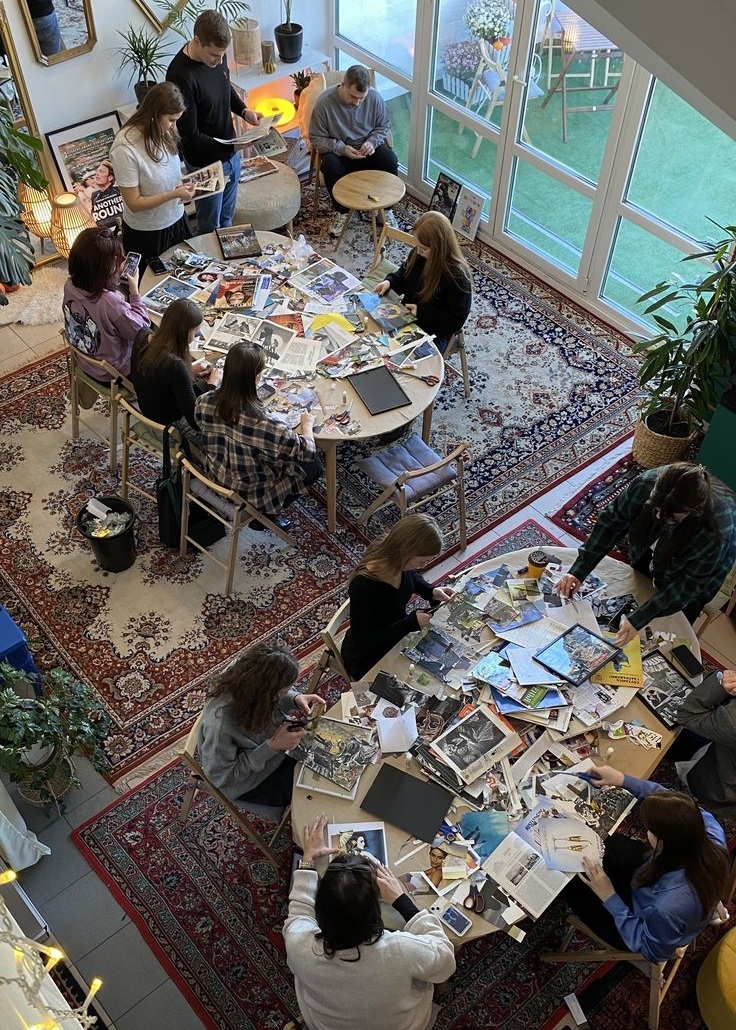
- A seasonal craft, like simple wreaths, ornaments, or painted pumpkins
- A recipe swap where everyone brings one weeknight dinner idea
- A casual book discussion, even if half the group did not finish
- Cookie decorating during the holidays
- Flower arranging with grocery store flowers
- Vision boards in January
- Watching a favorite show finale together
The best activities leave room for conversation. If everyone has to concentrate too hard, follow instructions closely, or compete for attention, it can make the evening feel less relaxed. Choose an activity that guests can easily join or step away from.
It is also completely fine if the activity never happens. Sometimes the cards stay in the box because people are finally having the conversation they have been meaning to have since the first week of school. That counts as a successful night.
Create a comfortable atmosphere
A parents’ night in is about hospitality, not performance.
People do not need to walk in and feel impressed. They need to feel comfortable taking off their coat, pouring a drink, sitting down, and staying a little longer than they planned.
Small choices help. Turn on lamps instead of overhead lights. Light a candle if that feels easy. Put on background music at a volume that still lets people hear each other. If you need a starting point, a Partytrick playlist can take one decision off your list and keep the room from feeling too quiet when the first few guests arrive.
Arrange seating so people are not stuck in one stiff circle. A mix of chairs, a sofa, stools at the island, and a spot near the food gives the night a natural flow. If people can move around, conversations can shift without anyone feeling trapped.
Self-serve food and drinks also make the evening easier. Set out glasses, drinks, ice, napkins, and snacks where people can help themselves. You do not need to keep jumping up every time someone needs a refill. Guests usually relax more quickly when they do not feel they are creating work for the host.
The most memorable detail may be the pace. Let people linger. Do not rush the night through a schedule. Parents spend so much of the week moving everyone else along that a slow evening can feel like a gift.
For more ideas on small touches that make guests feel at home, Partytrick’s post on easy ways to make guests feel comfortable at your gathering is a good companion read.

Let traditions develop naturally
One of the nicest parts of a recurring gathering is watching it become its own thing.
You do not have to decide all the traditions in advance. In most groups, they appear after a few months. Someone brings the same appetizer twice, and suddenly everyone hopes it shows up again. Someone makes a cocktail that becomes the unofficial drink of the group. Someone creates a playlist that gets reused. Someone brings a card game that becomes the thing everyone asks for when the conversation slows down.
- Over time, your parents’ night in may collect a few rituals:
- A signature cocktail or mocktail
- A monthly recipe people look forward to
- Birthday cupcakes for whoever is celebrating that month
- A casual holiday gift swap
- A shared playlist that grows over time
- A favorite game that always comes out late in the evening
- An annual end-of-school-year gathering
- A first-night-back-after-summer dinner
Let these things happen naturally. Forced traditions can feel like assignments. The best ones feel like inside jokes in the warmest sense, something the group recognizes and returns to because it made everyone happy once.
This is where consistency does something special. A single gathering can be fun. A repeated gathering starts to hold memories. People remember the rainy night everyone crowded into the kitchen, the October fire pit, the December dessert table, the month someone brought a new neighbor who became part of the group.
That is how family community activities become more than calendar filler. They become part of how people feel rooted where they live.
Make it easy for new people to join
A healthy community keeps widening.
It is easy for a recurring group to become comfortable and then accidentally close. People develop routines, references, and shared stories. That is natural, but it is worth paying attention to how the gathering feels to someone walking in for the first time.
Throughout the year, look for opportunities to invite new people. A family who just moved to the neighborhood. A parent who seems kind but not yet connected at school. Someone you always talk to at pickup but have never seen outside that ten-minute window. One invitation can change how someone experiences the school year.
When new guests come, help with introductions. Do not assume everyone will figure it out on their own. Offer a little context to help spark conversation. Mention that this is a parent from your child’s class, someone who lives two streets over, or another parent whose child is on the same team. These small connections can make it easier for people to start talking.
Try not to let inside jokes take over the room. Every group has shared stories, but too many references can make new people feel as if they have arrived late to a conversation that has been going on for years. Make space for different personalities, too. Not everyone will be the loudest storyteller. Some people warm up slowly. A relaxed parents’ night in gives them room to do that.
Welcoming new people does not mean the gathering has to grow endlessly. It simply means the door does not become too heavy to open. Community works best when people can find their way in.

Keep the planning easy between gatherings
A monthly tradition should not require a monthly planning meeting.
Once your group has a rhythm, keep the communication simple. A shared text thread is usually enough. The host can send a quick note a week ahead with the time, address, and what people can bring. If your group likes more organization, a shared note or calendar invite can keep dates and hosts in one place.
You can also keep a running list of simple ideas for future gatherings. Nothing elaborate, just easy options to pull from when a host is deciding what to do: taco night, soup night, dessert and coffee, backyard drinks, game night, or a potluck. Having a few go-to ideas ready can make hosting feel less like starting from scratch.
This is also where Partytrick can be useful. If your group wants to plan a dinner, girls’ night, holiday gathering, or seasonal night without passing around a dozen links, browse the Partytrick Playbook Library and choose a format that fits the month. A playbook can help organize the food, timeline, and little details so the host does not have to hold everything in their head.
The easier it is to repeat, the more likely the tradition is to last.
Start Small, Keep Gathering
Meaningful friendships are not only built during milestone celebrations. They are often built on ordinary evenings around a kitchen table, when someone refills your glass, someone else asks how the school year is really going, and no one is in a rush to leave.
A monthly parents’ night in does not have to be elaborate to become something people look forward to. It does not need a perfect menu, a decorated table, or a new theme every month. It needs consistency, a little openness, and someone willing to send the first invitation.
Over time, that simple monthly gathering can change the texture of a school year. Neighbors become friends. Classroom parents become the people you can text when you need help with pickup. Families begin to feel less separate from one another.
If you are ready to start, keep it simple: choose a recurring night, invite a small group, and let the tradition grow one month at a time.
For more hosting ideas you can actually maintain, explore the Partytrick Playbook Library for dinner party ideas, girls’ nights, seasonal gatherings, playlists, and planning inspiration. And if you want new ideas sent your way, you can subscribe to the Partytrick newsletter for gathering inspiration that fits real life, not just special occasions.
More articles
Why Planning a Gathering Can Feel Overwhelming and How the Right System Helps
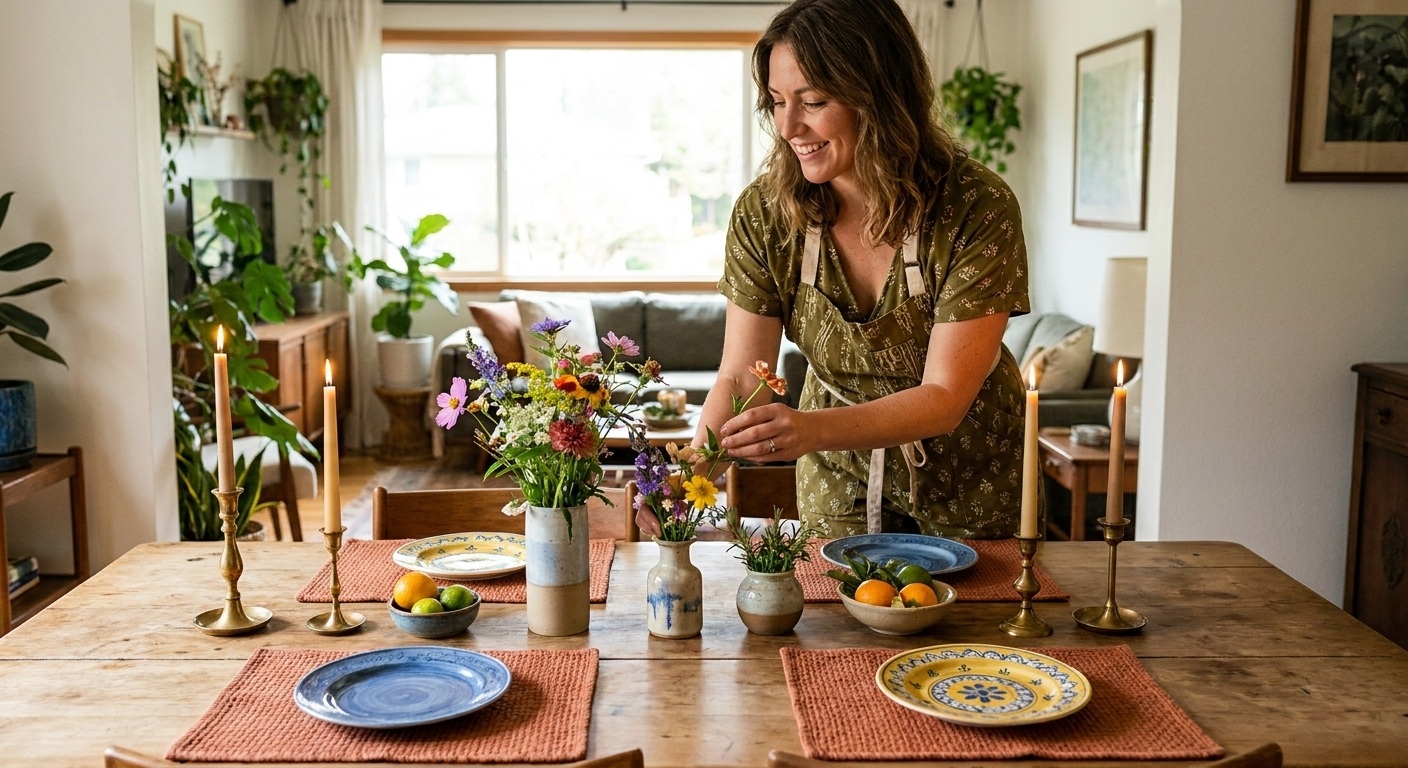
Learn why hosting can feel overwhelming and how a clear timeline, practical checklist, and Partytrick Playbook can reduce last-minute stress and help you stay present with your guests.
How to Organize a School Fundraiser That People Actually Show Up For
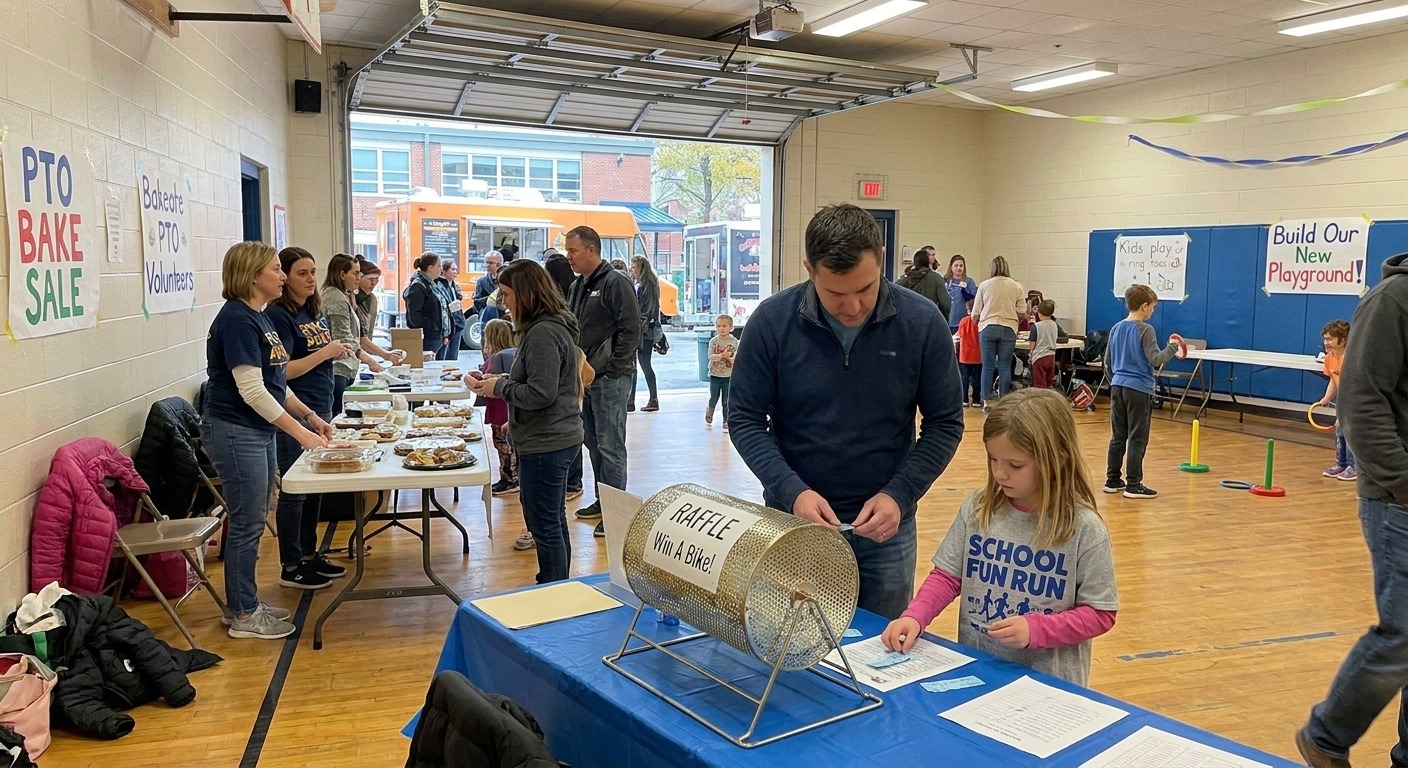
This guide shows PTO leaders and school volunteers how to plan a school fundraiser families genuinely want to attend by focusing on community, convenience, and a thoughtful guest experience.

What to Decide First When Planning a Party and How Far Ahead to Start
Not sure where to start planning a party? This guide breaks down what to decide first, how far ahead to begin, and how Partytrick can turn those early choices into a clear timeline you can actually follow.

Sign up for expert tips, exclusive content, and the 411 on the latest parties—all straight to your inbox.
Your shortcut to stress-free hosting
Spend less time coordinating and more time actually connecting.