


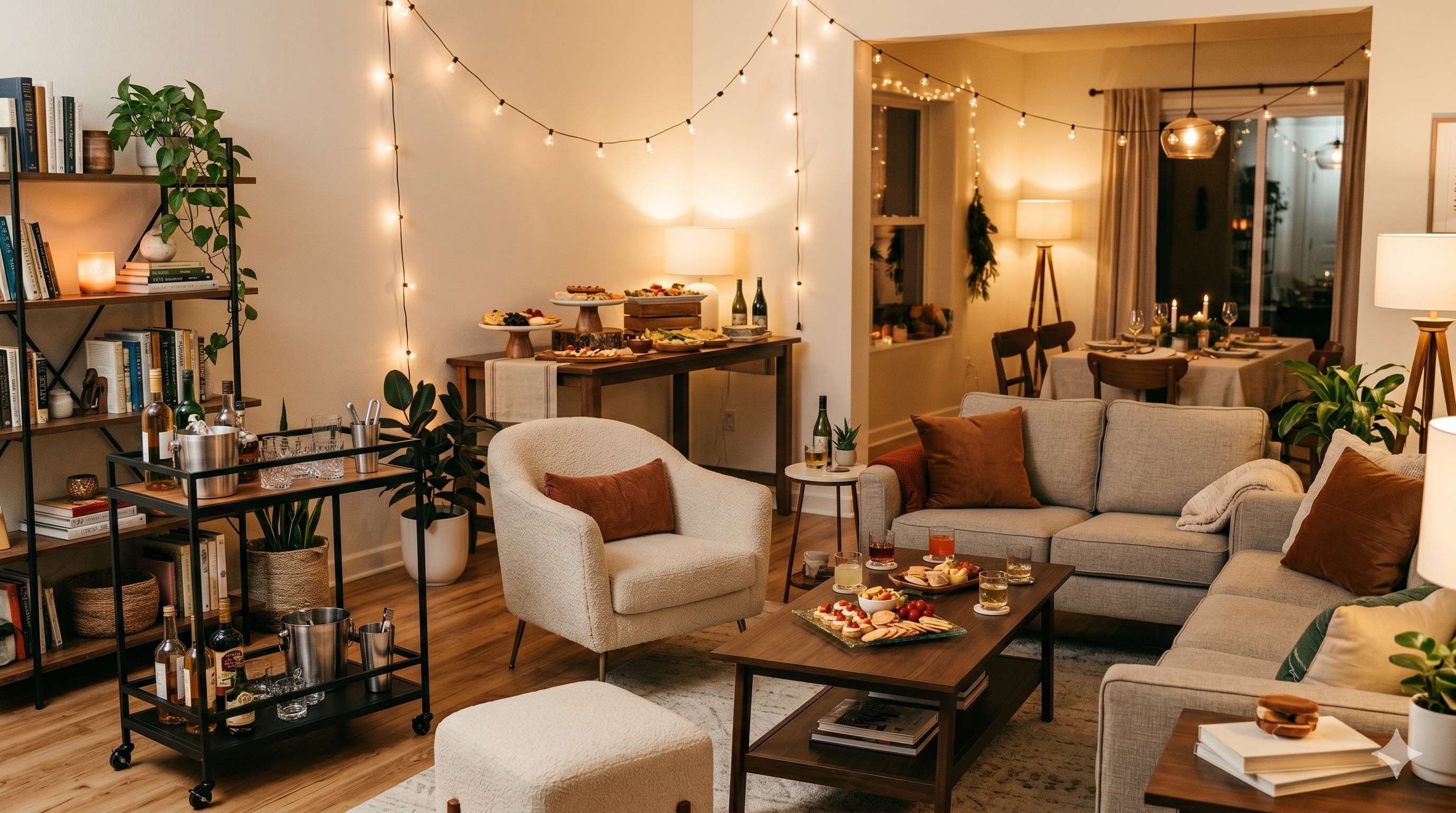
How to Turn Your Home Into the Perfect Gathering Space
My place just isn’t set up for hosting.
That sentiment is usually what stops people from wanting to host gatherings at home.
Maybe your space feels small. Maybe it’s a little lived-in. Maybe it doesn’t look like the version of hosting you see online. But most gatherings don’t take place in ideal spaces. They happen in real ones.
A space works for hosting when it feels easy to be in—not when it looks a certain way.
People don’t remember the layout or the square footage. They remember how comfortable they felt, how naturally the night came together.
That’s where most people overthink it.
Creating a space that works isn’t about redoing everything. It’s about setting it up so the night can actually happen—where people know where to go, where to sit, where to grab a drink without asking.
A few small shifts can change the entire feel of your space.
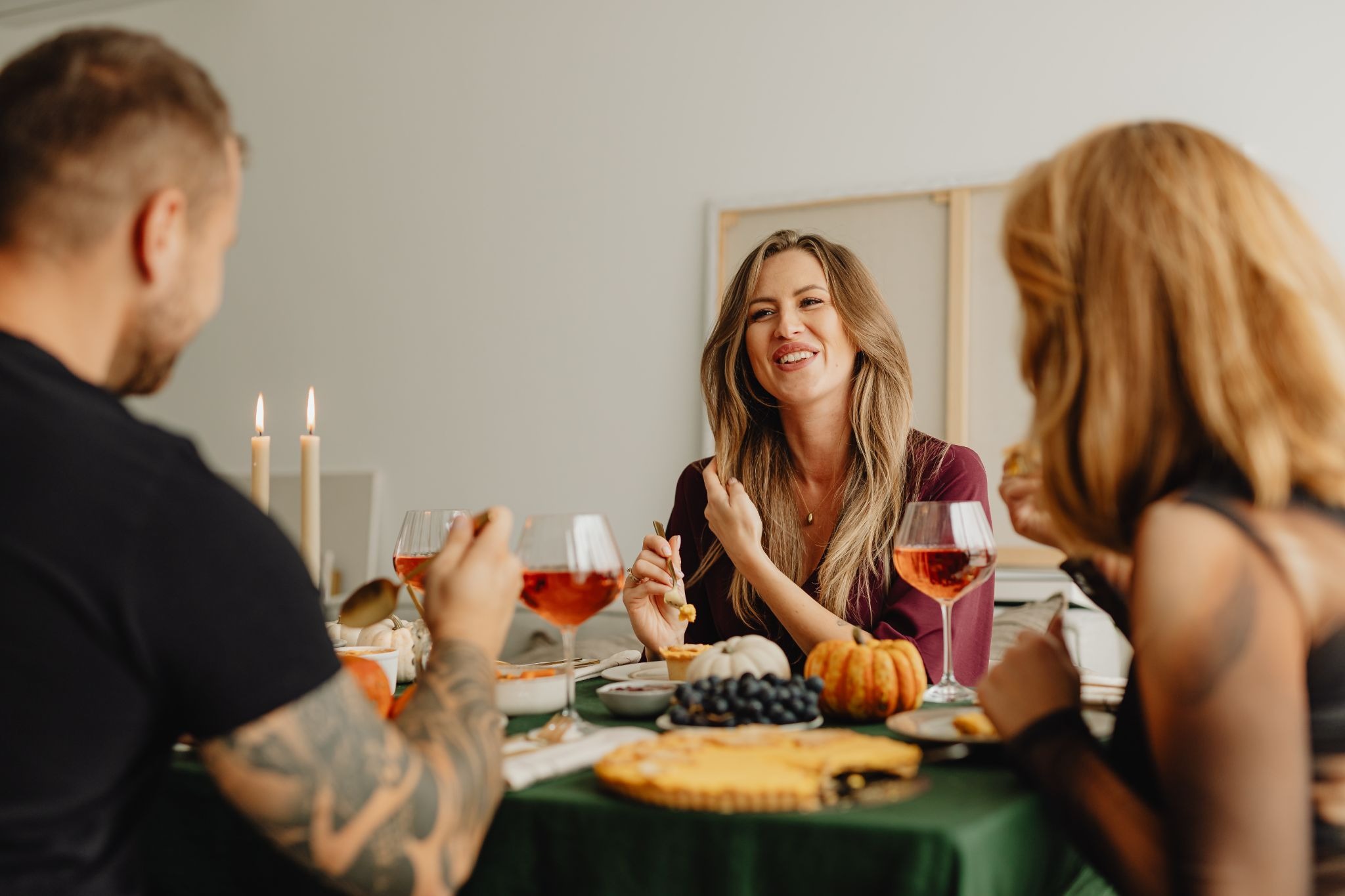
What actually makes a home feel like a good gathering space?
When we think of a good space, we often think of aesthetics. But for hosting, function beats fashion every time. A practical gathering space is defined by three things:
- Easy Movement: Guests shouldn't feel like they are playing a game of Tetris just to get to the bathroom.
- Clear Zones: People naturally look for cues on where to stand, sit, and eat.
- Comfortable Setup: This means accessible surfaces for drinks and seating that encourages conversation.
If your home functions well, your guests will feel at ease. If it looks good but doesn’t feel welcoming, the energy will be off from the start.
How should you think about layout and flow?
The layout of your space is key. A good flow reduces friction, meaning you don't have to constantly direct people. To set up your home for guests, ensure they can:
- Enter easily without tripping over a pile of shoes.
- Find the essentials (drinks and snacks) without having to ask.
- Move between rooms without creating a human logjam.
Pro hosting tip: Avoid the kitchen bottleneck.
People will gather where the food and drinks are. If everything’s in the kitchen, that’s where the night gets stuck.
Move the bar or main snack setup into the living or dining area so the energy shifts with it.
What areas of your home matter most when hosting?
You don’t need to tackle the whole house. Just focus on these three zones:
- The Entry: This is the first impression. Clear a spot for coats and bags so guests feel invited to stay a while.
- The Food & Drink Hub: This is the anchor for congregating. Whether it's a kitchen island or a dedicated table, make sure it’s accessible from multiple sides.
- The Seating Area: This is where the real socializing happens. Ensure chairs are angled toward each other rather than just at a TV.

How do you set up your space for guests (without overdoing it)?
The secret to how to entertain guests at home is clarity. If a guest has to search for a napkin or wonder where to put a dirty plate, they don't feel at home.
- Clear the clutter: Clear off coffee tables and counters. Empty space is an invitation for a guest to set down their glass.
- Make essentials visible: Put the trash can in plain sight (or clearly labeled) and leave a stack of napkins right next to the food.
- Minimal decor: You don’t need a theme. A vase of flowers or a few candles signal intention without taking up the space you actually need for food and drinks.
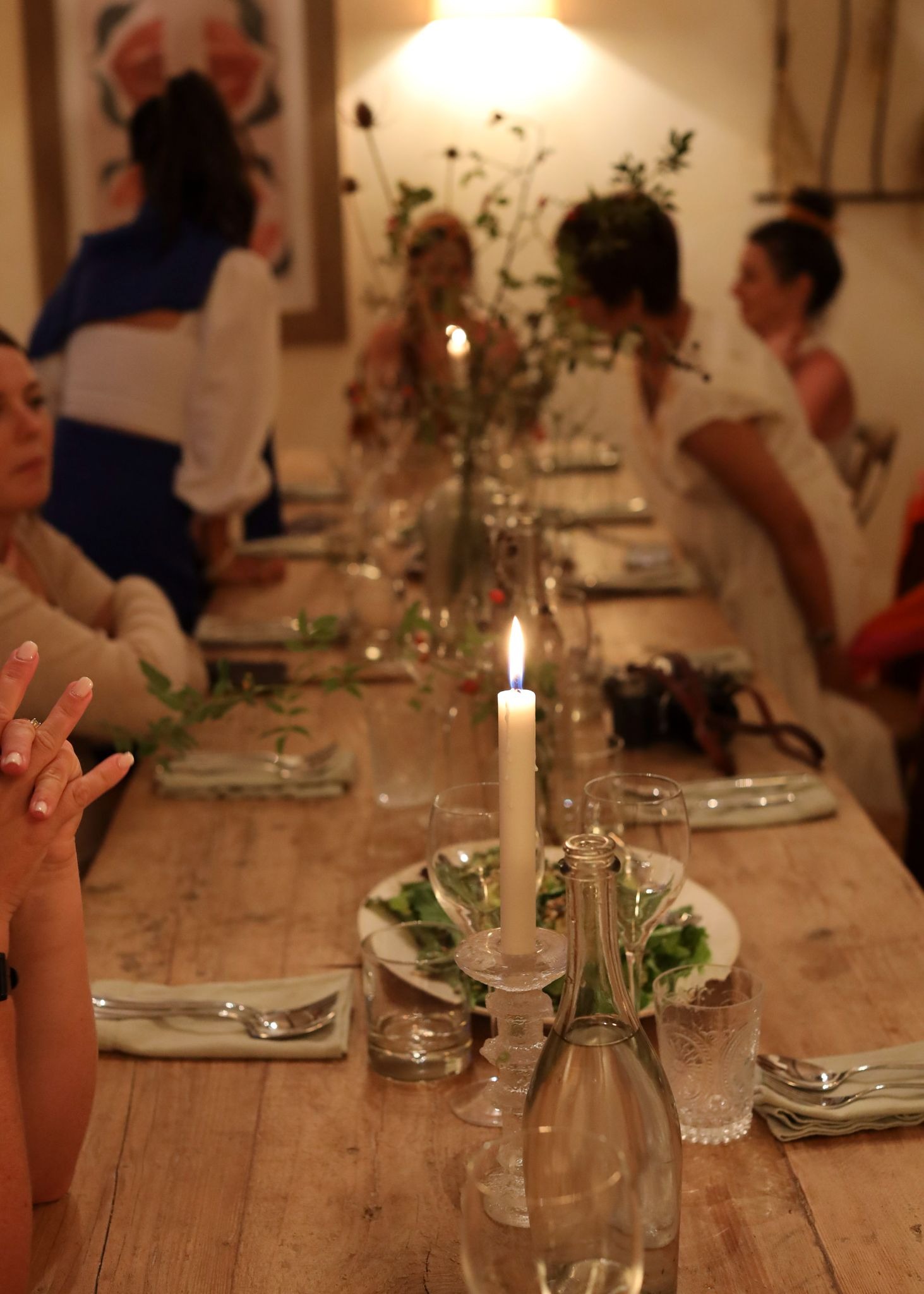
What small details make a big difference in your space?
1. Lighting
Lighting is what shifts the room into hosting mode. It tells people, without saying it, that it’s time to relax. Turn off the overheads and build in softer light—lamps, candles, dimmers—so the space feels easy to settle into.
For outdoor gatherings, hanging LED shatterproof bulbs provides a warm, consistent glow that survives the elements while creating a professional, high-end atmosphere with zero effort.
2. Music
Music is a simple way to stabilize the atmosphere. It fills quiet moments, minimizes distracting noise, and maintains the overall tone of the gathering.
To keep the energy consistent without being tethered to your phone all night, skip the manual queue and use Partytrick's curated playlists. These are specifically designed to match the vibe of different event types, ensuring the tempo stays perfect from the first cocktail to the final goodbye.
3. Drink Station
A self-serve drink station changes how the room functions. Guests don’t have to ask for anything, and the host isn’t anchored to one spot—both of which help the night move more naturally.
By setting up a rolling bar cart with spirits, mixers, and glassware in a mobile spot, you create a dedicated social hub. This setup keeps the refreshments organized and prevents guests from crowding your primary kitchen prep space.
4. Food Placement
How you set up your food affects how people move through the space. Height variation helps prevent crowding and keeps the spread accessible throughout the night.
Using a riser to create different heights makes the table more visually appealing and accessible, while a high-quality large platter anchors your main bites. This approach makes even simple snacks feel like a professional catering display.
5. Clear Pathways
One of the most overlooked parts of hosting is how people move through the space.
Clearing pathways, especially between the entry, seating, and food, makes a noticeable difference.
Tuck away anything that interrupts that flow, like floor plants or small tables in high-traffic areas. Even small adjustments can make a room feel more open and easier to navigate.
6. Temperature
Temperature is often overlooked, but it directly affects guest comfort. As the room fills, heat builds quickly, altering the feel of the space.
Cooling the room in advance ensures it stays comfortable throughout the gathering, rather than requiring adjustments once the gathering is underway.
How do you make your space feel welcoming right away?
Hosting starts at the door. Greet guests right away instead of finishing tasks while they wait.
Offer a drink immediately or point them toward the drink station. By having your entry uncluttered and your party planning checklist completed, you can focus on the person, not the logistics.
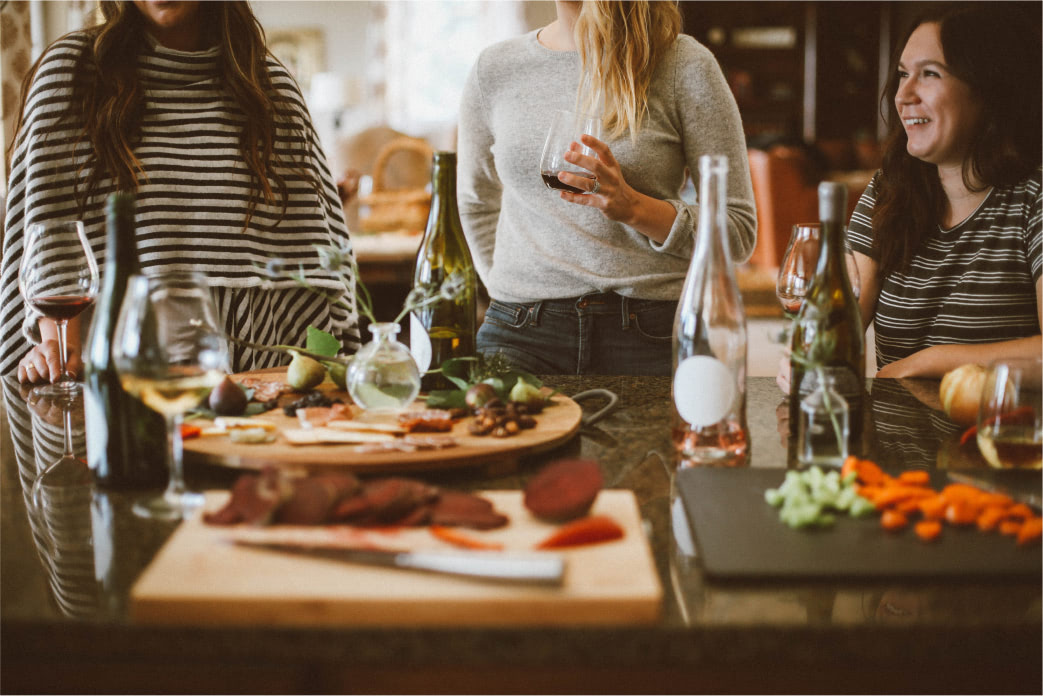
How much should you prepare ahead of time?
The goal is to be a guest at your own party. Aim to have 90% of the setup—the layout, the music, and the food prep—done 30 minutes before the start time. This gives you a moment to breathe and ensures you are present when the first guest arrives.
For more tips on the timeline, check out our guide to planning a party from start to finish.
What should you avoid when setting up your home for hosting?
- Over-styling: When a space looks overly styled or untouched, guests tend to hold back—sitting less, moving less, and engaging less.
- Complicated Layouts: If people have to squeeze past each other constantly, they’ll leave early.
- The Professional Venue Trap: Don't try to hide the fact that this is a home. The warmth of a lived-in space is exactly why people enjoy home gatherings over bars.
When does this kind of setup matter most?
This flow-first approach is essential for:
- Small to medium-sized casual gatherings.
- Mixing different groups of friends who may not know each other.
- First-time hosts who want to build confidence.
Pro Tip: For more inspiration on physical setups, check out Architectural Digest’s tips for micro-gathering or Real Simple’s guide to guest-ready homes.
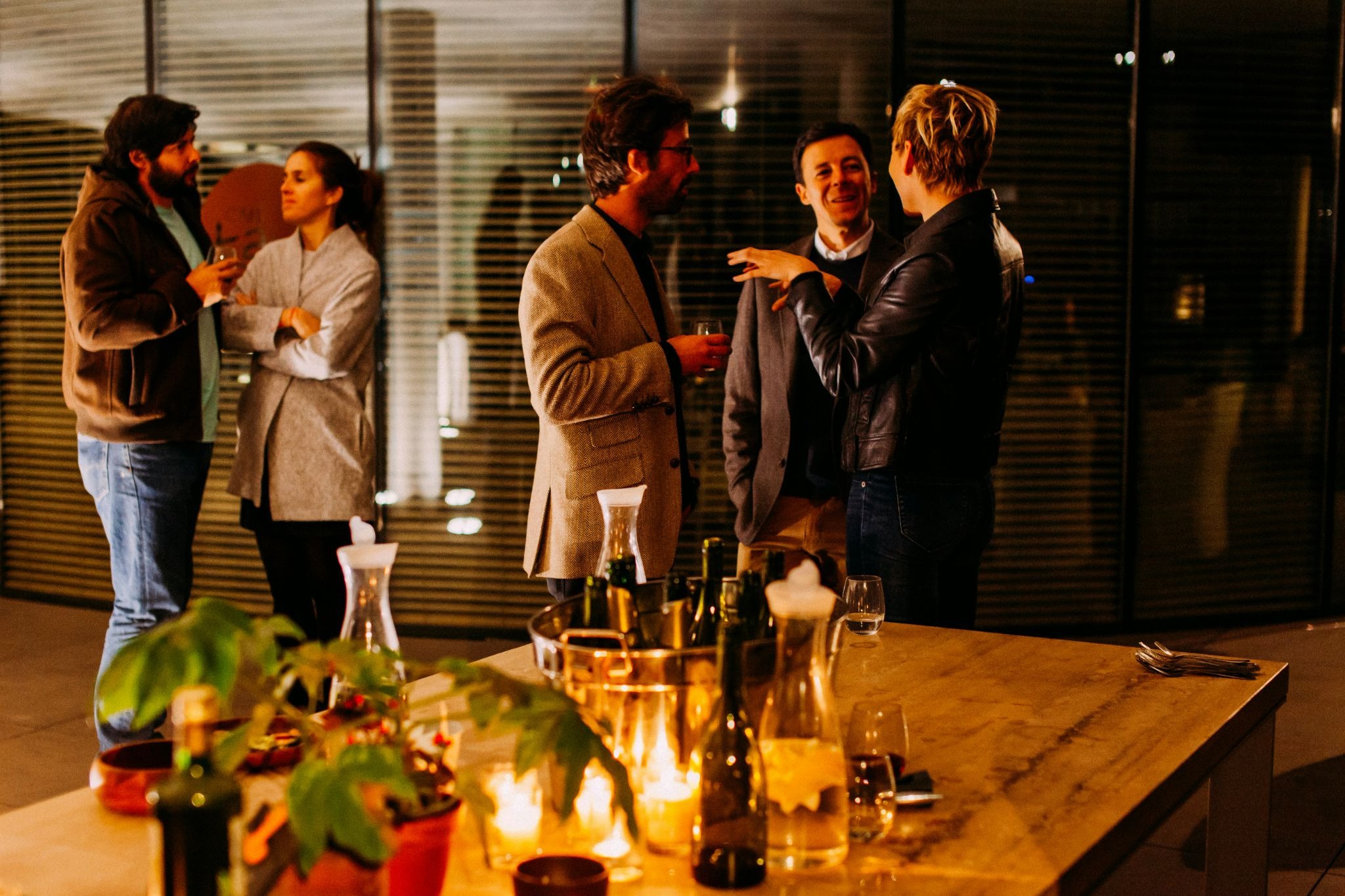
Ready to make hosting easier?
If you want a more structured way to set up your space, Partytrick’s playbooks walk you through layout, timing, and setup so your gathering comes together without overthinking it.
Sign up for a free Partytrick account to unlock guided playbooks, curated marketplace finds, and simple tools that help you plan, organize, and actually enjoy your gathering.
FAQ Section
How do you set up your home for guests?
Focus on a clear layout, accessible food and drinks, and comfortable seating to make the space easy to navigate.
What makes a good gathering space at home?
A good gathering space is functional, comfortable, and allows guests to move and interact easily without feeling cramped or confused.
Do you need to decorate your home to host?No. A few intentional details—like good lighting and a clear surface for drinks—are enough. Function and flow matter significantly more than expensive decor.
More articles
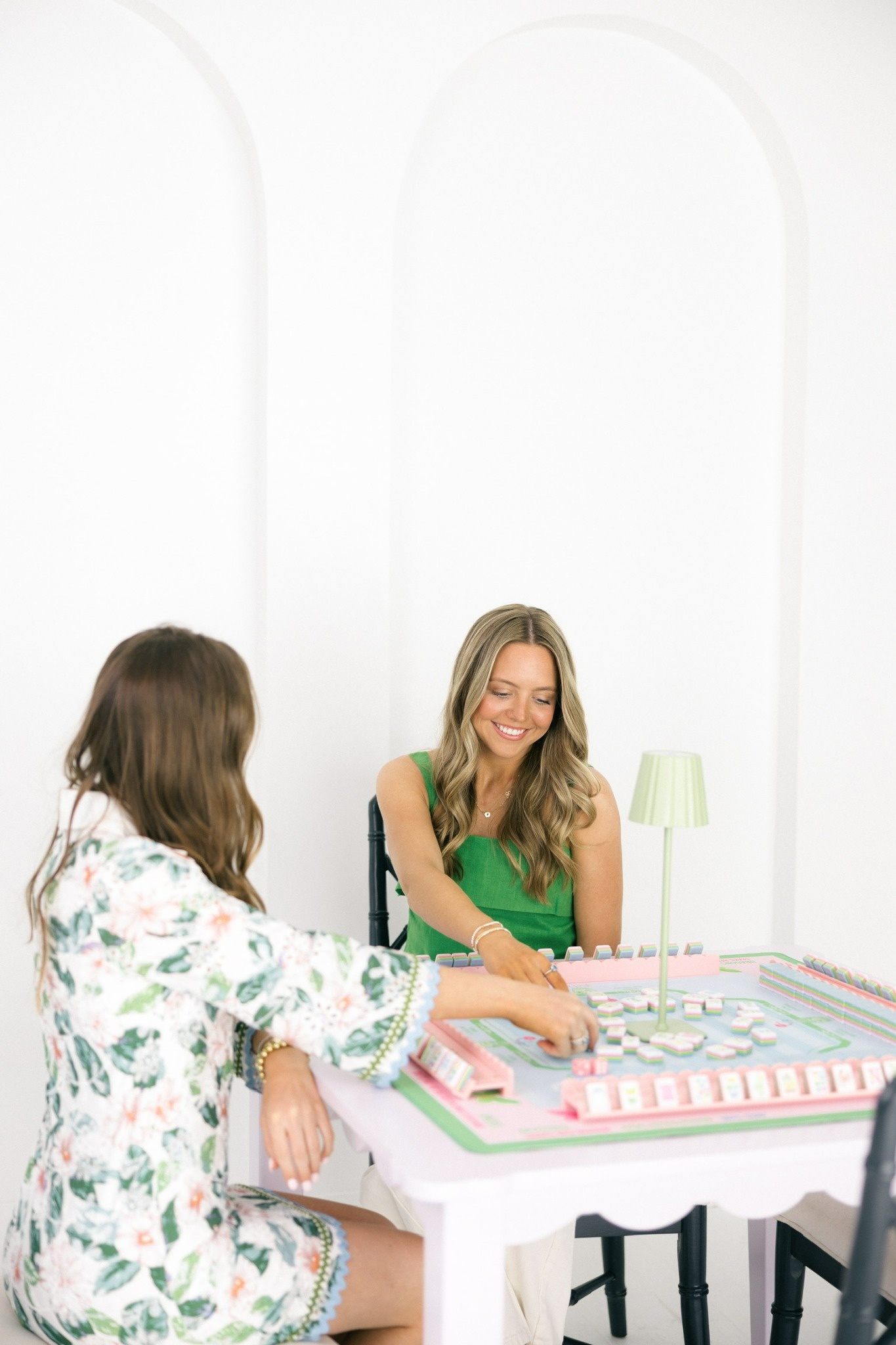
How to Host a Mahjong Night with The Daily Cheer
Plan the perfect Mahjong night with The Daily Cheer! From choosing your gathering style and setting the table to easy food ideas and hosting tips, this guide has everything you need to bring friends together for a fun game night.

Homecoming Party Ideas: What to Host Before the Game and the Dance
Practical homecoming party ideas for hosting a tailgate, predance gathering, photo hour, or casual get-together before or after the game and dance.
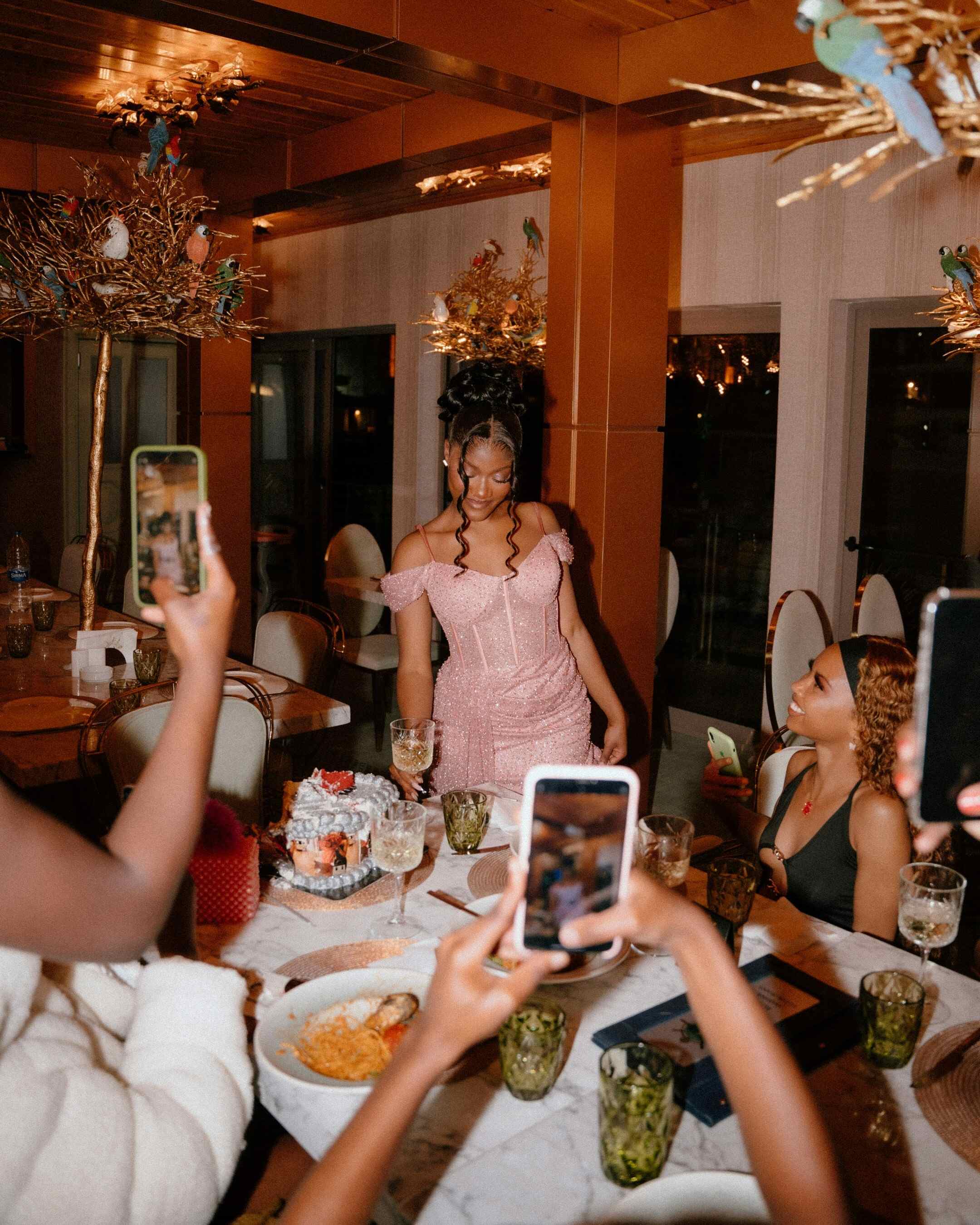
How to Host a Libra Birthday Party + Thoughtful Gift Ideas
Plan a Libra birthday party that feels personal with dinner, cocktail, and brunch ideas, a simple timeline, and thoughtful gifts for every interest.

Sign up for expert tips, exclusive content, and the 411 on the latest parties—all straight to your inbox.
Your shortcut to stress-free hosting
Spend less time coordinating and more time actually connecting.