



Party Planning Checklist for Beginners Who Have No Idea Where to Start
You Have a Party Idea. Now What?
You have the beginnings of an idea. Maybe it is a birthday dinner, a Saturday night with friends, a book club brunch, or an excuse to finally use the backyard. Then the questions begin: Who should you invite? What should you serve? Do you need a theme? When are you supposed to buy everything?
Start with the shape of the gathering, not the napkins. Once you know what kind of party you are hosting, the rest of the planning becomes much easier.
Quick answer: To start planning a party, first decide what kind of gathering you want to host, then choose the date, budget, guest list, menu, and setup. From there, create a shopping list and timeline so you know what needs to happen each week. A Partytrick Playbook can organize these steps for you and give you a ready-made plan to customize.
This party planning checklist follows the order in which decisions should actually be made. You can build every part of the party manually, or you can choose a Partytrick Playbook that already organizes the timeline, shopping, setup, and hosting details for you.

Step 1: Decide What Kind of Gathering You Are Hosting
Your party idea does not need to be fully formed yet. Friends coming over is a perfectly good place to begin.
Before you choose food, flowers, playlists, or invitations, define the basic format. Ask yourself:
- What is the reason for gathering?
- What kind of event does this feel like?
- Do you want it to feel relaxed, celebratory, cozy, playful, or more structured?
- Is this a sit-down meal, a casual hangout, an open house, or something in between?
A few examples:
- Birthday dinner for eight
- Casual backyard drinks
- Cozy book club brunch
- Girls’ night at home
- Family graduation celebration
- Sunday afternoon open house
This step matters because a birthday dinner and a backyard drinks night do not need the same plan. One may require seating, timing, and a more complete menu. The other may only need drinks, snacks, music, and a loose arrival window.
If your idea still feels vague, start by browsing gathering types instead of inventing the entire event from scratch. A Partytrick playbook can help turn a loose idea into a defined plan with a suggested format, styling direction, food and drink ideas, activities, and a planning timeline.
Have an idea but not a plan? Browse Partytrick Playbooks and find a gathering you can make your own.
For a beginner-friendly place to start, the Basic BBQ Playbook provides structure without requiring you to become a full-time event planner overnight.
Step 2: Pick the Date, Time, and Location
Once you know the general type of gathering, choose the practical details that shape everything else: date, time, and location.
Start with two or three possible dates. This gives you room to work around your schedule, guest availability, weather, or any rentals and reservations you might need. Then think about the length and timing of the party.
A few simple examples:
- Brunch usually works best from late morning to early afternoon.
- Cocktail night fits naturally in the early evening.
- Dinner parties need time for guests to arrive before food is served.
- Open houses work well with a wider arrival window.
You do not need rigid rules for how long every party should last. You just need the time to match the format. A casual drinks night can be shorter and looser. A dinner party needs more structure because the timing of the food matters.
Location also affects the rest of your party checklist. Hosting at home may mean cleaning, rearranging furniture, or checking outdoor lighting. Hosting elsewhere may mean deposits, arrival instructions, or a backup plan. If weather is involved, decide early what happens if it rains, gets too hot, or turns windy right when you planned to put everything outside.
Once you create an event in Partytrick, you have one place to keep these core details instead of letting them float around in texts, notes, screenshots, and memory. Memory is charming. It is not always reliable.
Step 3: Set a Realistic Budget
Set your budget before shopping begins. This is less about restriction and more about making decisions easier.
Your budget might include:
- Food
- Drinks
- Decorations or flowers
- Tableware and serving supplies
- Entertainment or activities
- Venue or rentals, if needed
- A small cushion for forgotten items
A helpful beginner move is to choose the two or three elements that matter most. You do not have to spread your budget evenly across every possible detail.
For example, you might spend more on dinner and use what you already own for the table. You might keep food simple and invest in flowers or a special activity. You might host drinks and appetizers instead of a full meal.
The point is not to make the party look expensive. The point is to make the gathering feel thought through.
Partytrick Playbooks can help here because existing recommendations and shopping guidance keep you from making random, disconnected purchases. Instead of buying three kinds of candles, a banner you will never use again, and a cheese knife shaped like a dachshund because it was somehow in your cart, you can shop from a more intentional plan.
Step 4: Make the Guest List
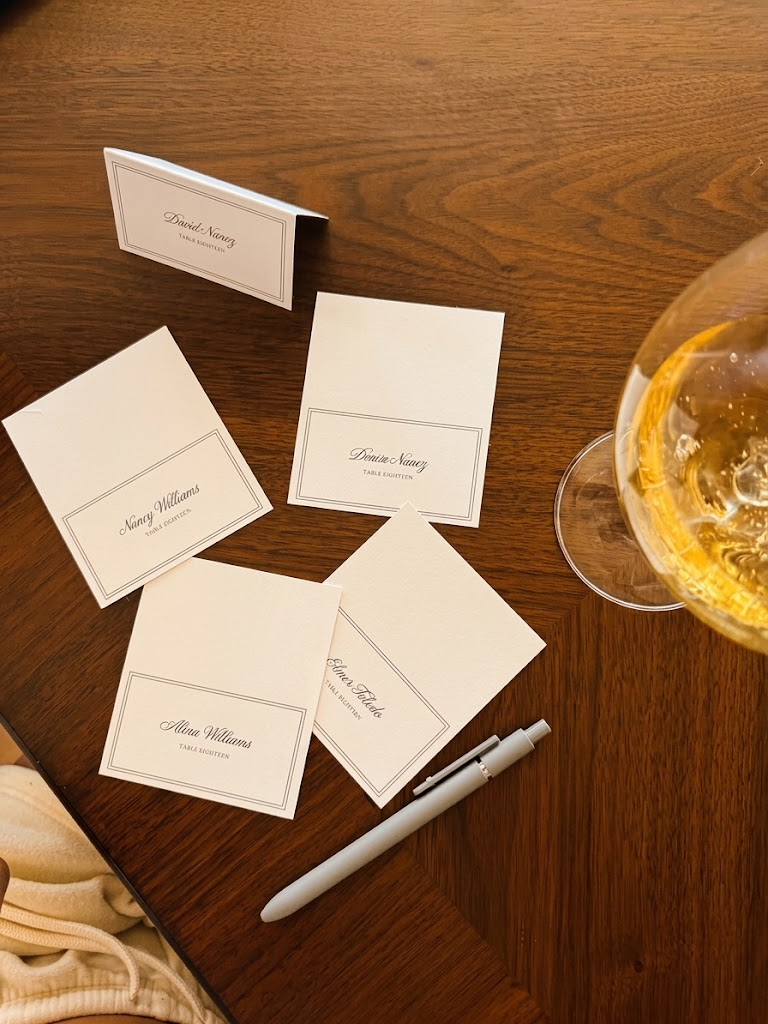
The guest list affects nearly every other decision: budget, menu, seating, location, and the event's mood.
Start with the people, not an arbitrary number. Ask:
- Who is this gathering really for?
- Does everyone need a seat?
- Do the guests know one another?
- Are children or partners included?
- Are there dietary or accessibility needs to consider?
- Will this group feel comfortable together?
You do not need to invite an entire social circle just because you invited one person from it. A thoughtful guest list is not about obligation. It is about creating the right group for the kind of gathering you are hosting.
If your guests do not all know one another, plan a few easy ways to connect. That might mean intentionally seating people, introducing guests with a little context, or including a low-pressure activity. Partytrick’s post “Everyone Says We Should Get Together. How Do I Actually Make It Happen?” is a helpful read if you are trying to turn vague social plans into something real.
Step 5: Send the Invitation
Your invitation does not have to be formal. For a casual gathering, a thoughtful text can work beautifully. What matters is that guests know what to expect.
Include:
- What the gathering is
- Date
- Start time
- Location
- RSVP request or deadline
- Dress guidance, if relevant
- Anything guests should bring
- Parking or arrival notes, when needed
Here is a simple sample:
I’m having a casual dinner at my place on Saturday, March 9 at 7 PM. Nothing fancy, just pasta, wine, and a reason to get everyone around the table. Let me know by Wednesday if you can make it. No need to bring anything, just yourself.
The clearer the invitation, the fewer follow-up questions you will answer later. Creating the event in Partytrick also gives the plan a central home, so the details are not scattered across three text threads, two note apps, and one screenshot you absolutely cannot find.
Step 6: Choose the Menu and Drinks
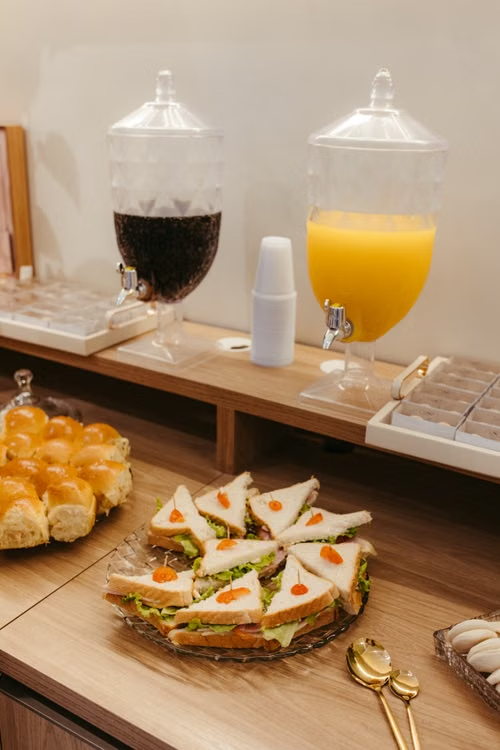
For a beginner party planning checklist, the menu should be manageable first and impressive second. Guests would rather have a relaxed host and simple food than a complicated meal that keeps you trapped in the kitchen.
Match the amount of food to the time and format. A 3 PM backyard hangout does not need a full dinner. A 7 PM dinner party does. Choose dishes that can be prepared in advance, include at least one option for common dietary needs, and avoid a menu where every item has to be cooked at the last minute.
Decide how guests will eat:
- Seated at a table
- Serving themselves from a buffet
- Grazing from a snack board
- Holding plates while mingling
For a casual party, use this simple formula:
- One main item or substantial snack
- Two complementary sides or smaller bites
- One easy dessert
- One signature drink
- Water and at least one nonalcoholic option
Partytrick Playbooks include menu inspiration, recipes, serving ideas, and product recommendations, so you do not have to start from a blank page. For a dinner party format, the Al Fresco Dinner Party with Grüvi Playbook is a useful reference for building a gathering around food, drinks, and atmosphere.
Step 7: Plan the Setup and Atmosphere
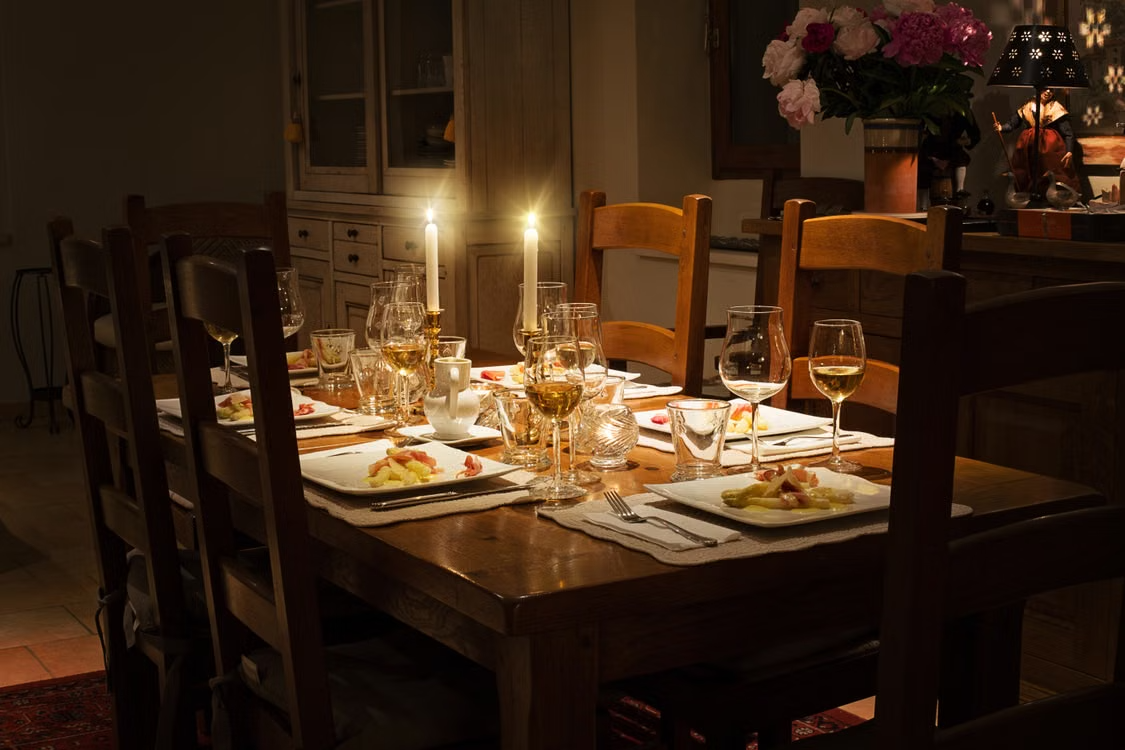
Setup is where a party starts to feel considered. This does not mean buying all new decor. It means thinking through how people will move, sit, eat, drink, and settle in.
Plan for:
- Seating
- Serving areas
- Lighting
- Music
- Flowers or simple decor
- Where guests will place coats and bags
- Where drinks and food will be served
- Trash and cleanup access
Use what you already own before shopping. Move a lamp. Put a small vase in the bathroom. Clear a counter for drinks. Set out a stack of plates where guests can easily find them. These small decisions do more than a cart full of decorations with no plan behind them.
Do not leave music until the last minute. A playlist is part of the gathering experience, not a random extra. Choose music that matches the mood you want before the day of the party, then let it quietly do its job.
Partytrick Playbook styling ideas and product suggestions can help you create a cohesive atmosphere without having to design the entire event from scratch. If you need supplies, the Partytrick shop can help you look for useful pieces with the actual gathering in mind.
Step 8: Create the Shopping List
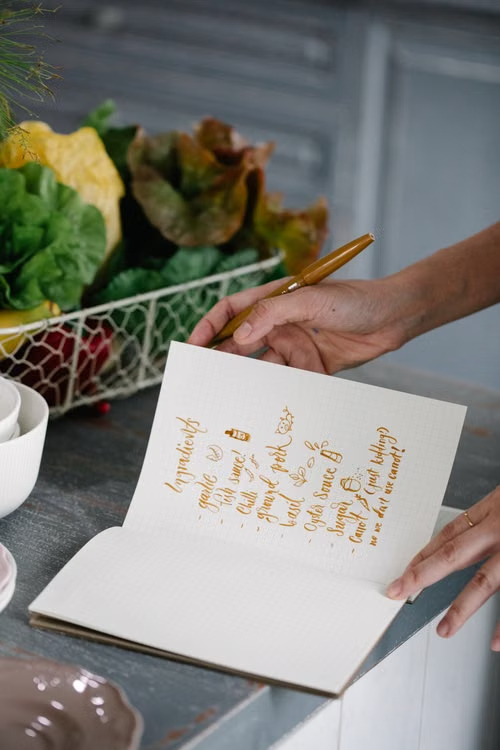
Now that the main decisions are made, create the shopping list. Doing this too early is how you end up buying supplies for a party you have not actually planned.
Divide your list into categories:
- Groceries
- Drinks and ice
- Decor and flowers
- Tableware
- Serving pieces
- Activity supplies
- Cleaning and household basics
- Last-minute fresh items
Before buying anything, check your house. Look for platters, serving spoons, candles, vases, napkins, coolers, extra chairs, and anything else you might already own.
Commonly forgotten items include:
- Ice
- Bottle openers
- Cocktail napkins
- Serving utensils
- Trash bags
- To-go containers
- Extra toilet paper
- Candles or matches
- Nonalcoholic drinks
Partytrick Playbooks can provide prebuilt lists and product ideas for you to review and adapt. That way, your party supplies checklist is connected to the event you are actually hosting, not a generic list that assumes every gathering needs the same things.

Step 9: Build a Simple Party Planning Timeline
This is where many first-time hosts get stuck. They know what needs to happen, but not when to do it. Use this simple party planning timeline as a starting point.
Two to four weeks before
- Choose the concept.
- Set the budget.
- Pick the date and location.
- Make the guest list.
- Send invitations.
- Select a Playbook or create the event plan.
One week before
- Confirm RSVPs.
- Finalize the menu.
- Order anything needed.
- Check serving pieces and seating.
- Create the playlist.
- Buy shelf-stable groceries and drinks.
Two days before
- Clean the spaces guests will use.
- Prep food that can be made ahead.
- Arrange furniture.
- Chill drinks.
- Gather decor and serving pieces.
The day before
- Finish major food prep.
- Set the table or serving stations.
- Buy flowers, ice, and fresh ingredients.
- Confirm any deliveries.
The day of the party
- Complete final food preparation.
- Put drinks on ice.
- Turn on the playlist.
- Adjust the lighting.
- Get dressed before the first guest is due.
- Leave a buffer so you are not still vacuuming when the doorbell rings.
Timelines are built into Partytrick’s planning experience, helping hosts see what needs to happen and when. Partytrick combines Playbooks, planning tools, and timelines so the plan can move from “I should write this down somewhere” to “I know what I’m doing next.”
Skip the blank spreadsheet. Start a free Partytrick event and organize your timeline, ideas, and to-dos in one place.
You can learn more about how the planning experience works on Partytrick’s How It Works page.
Step 10: Make a Day-Of Hosting Plan
Preparation is one part of hosting. The actual flow of the gathering is another.
You do not need to schedule every minute. You just need a loose plan that prevents avoidable confusion.
Think through:
- When food will be served
- Where guests should get drinks
- How introductions will happen
- Whether there is an activity, toast, game, or transition
- What can be self-serve
- What you can delegate
- How the evening will naturally wind down
For example, if guests are arriving at 7 PM, you might set drinks out before they arrive, serve dinner around 7:45 PM, bring dessert out later, and let the rest of the night stay relaxed. That is enough structure.
A good hosting plan gives you more room to be present. It does not turn your living room into a stage-managed production.
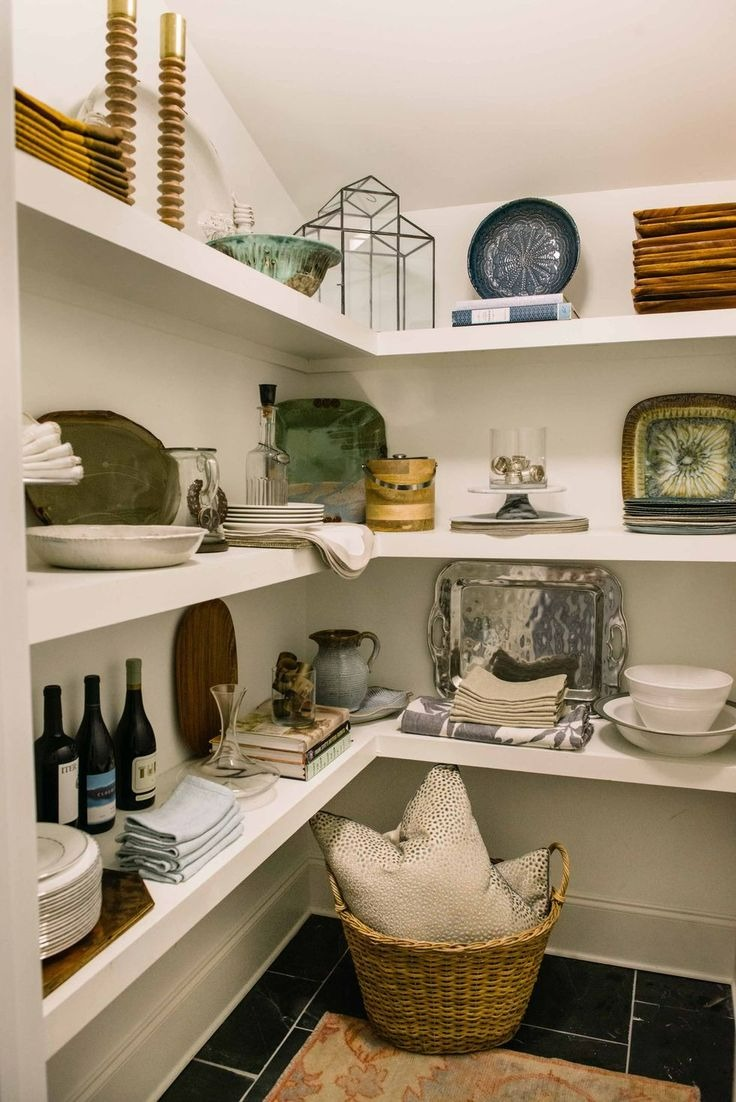
Step 11: Prepare for Cleanup Before the Party Starts
Cleanup is easier when you think about it before guests arrive. This is not glamorous advice, but it is the kind you will thank yourself for later.
Before the party starts:
- Empty the dishwasher.
- Start with an empty sink.
- Take out the trash.
- Place extra trash bags nearby.
- Clear refrigerator space.
- Set out containers for leftovers.
- Choose a discreet place for used dishes.
If people will be eating and drinking in multiple areas, make trash and napkins easy to find. If you are serving dinner, leave space near the kitchen for plates to land after the meal.
Party planning often focuses on what happens before guests arrive, but the after-party matters too. Partytrick’s post-party checklist covers what to do after an event, including sharing photos, keeping guest connections going, and creating future gathering traditions.

Step 12: Stop Planning and Enjoy the Party
At some point, stop adding details.
Guests are coming to spend time together. Not every element needs to match. Store-bought food is allowed. You do not need to apologize for the house. Something minor will probably go differently than expected, because parties involve humans, timing, weather, ice, and sometimes one person who arrives exactly 38 minutes early.
A relaxed host contributes more to the atmosphere than another decorative detail.
Now you have two choices. You can turn this checklist into dozens of separate notes, tabs, reminders, screenshots, and shopping lists. Or you can start a Partytrick event and put the plan into action.
Beginner Party Planning Checklist
Use this condensed party checklist as your quick reference:
- Decide what kind of gathering you want to host.
- Choose the date, time, and location.
- Set a realistic total budget.
- Make the guest list.
- Send invitations and request RSVPs.
- Choose the menu and drinks.
- Plan the seating, setup, music, and atmosphere.
- Create the complete shopping list.
- Build a week-by-week planning timeline.
- Prepare a simple day-of hosting plan.
- Set up for easier cleanup.
- Stop adding details and enjoy your guests.
Ready to turn the checklist into an actual plan? Start a free Partytrick event and organize your Playbook, timeline, ideas, and to-dos in one place.
FAQ
What is the first thing you should do when planning a party?
The first thing you should do when planning a party is decide the basic purpose and format of the gathering. Before choosing food, decor, or supplies, define what kind of event you are hosting, who it is for, and how you want it to feel.
How far in advance should you plan a party?
Timing depends on the size and formality of the gathering. A casual dinner, birthday hangout, or backyard party may only need a few weeks of planning. Larger celebrations, events with rentals, or parties around busy holidays usually need more notice.
What should be included in a party planning checklist?
A party planning checklist should include the concept, date, budget, guest list, invitations, menu, drinks, setup, shopping list, planning timeline, day-of hosting plan, and cleanup preparation. The most helpful checklist puts those steps in the order you should actually complete them.
How do you plan a party on a small budget?
To plan a party on a small budget, choose two or three priorities and simplify the rest. Use items you already own, keep the menu manageable, host drinks and appetizers instead of a full meal, and avoid buying decor that does not serve the actual gathering.
Is there an app or tool for planning a party?
Yes. Partytrick is a party-planning platform with Playbooks, planning tools, timelines, and recommendations to help hosts turn an idea into an organized event. You can start with a ready-made Playbook or create a plan around the gathering you already have in mind.
Your Party Does Not Have to Stay an Idea
You already know what you want to celebrate. Partytrick helps you turn that first idea into a real plan with Playbooks, timelines, tools, and recommendations designed to take you from “we should do this” to “it’s on the calendar.”
More articles

Pumpkin Spice Party Ideas for a Cozy Fall Gathering
Plan a cozy pumpkin spice gathering with a simple format, balanced snacks and drinks, warm seasonal touches, and an easy preparation plan.

Fall Movie Night Party Ideas: Spooky Movies, Cozy Favorites, and Easy Hosting
Host the perfect fall movie night with friends using these spooky and cozy movie picks, easy snack ideas, and simple hosting tips for a warm, memorable evening at home.

How to Host a Bedazzle Night with Friends
A practical guide to hosting a low-pressure bedazzle night, including easy project ideas, essential supplies, gem bar setup, snacks, and a simple planning timeline.

Sign up for expert tips, exclusive content, and the 411 on the latest parties—all straight to your inbox.
Your shortcut to stress-free hosting
Spend less time coordinating and more time actually connecting.