


Easy Ways to Build Community With Other School Families
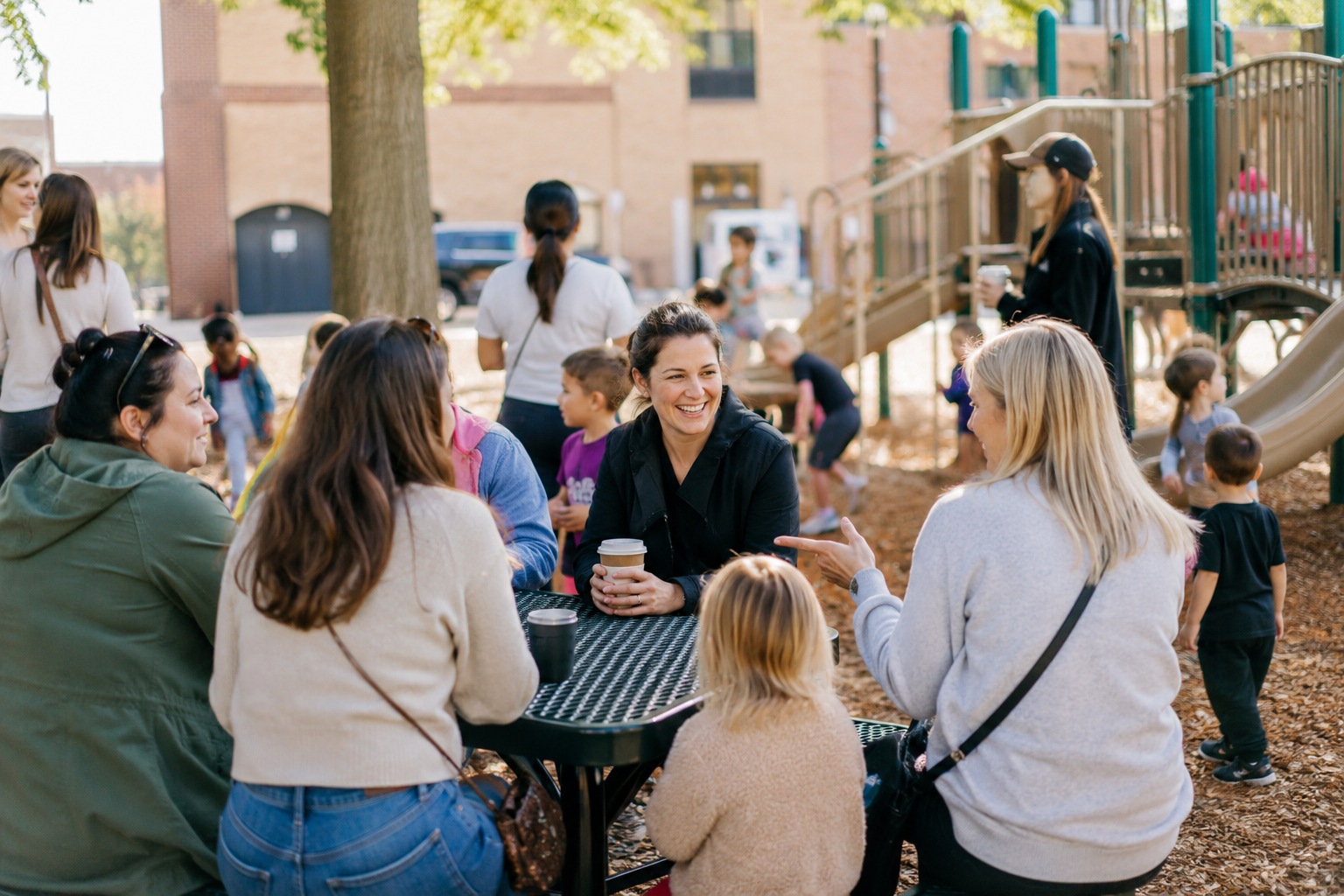
School communities often feel strongest when families know one another beyond the classroom door.
Teachers help create that sense of belonging during the school day, but parents, PTO leaders, and school volunteers also play a meaningful role. The moments that make a school feel connected often happen in the spaces around school life: a quick conversation at pickup, a shared snack after a playground meetup, a familiar face at a seasonal gathering, or a simple invitation that makes a new family feel included.
The good news is that you do not need to organize a large fundraiser, all-school festival, or perfectly planned event to build school community. In fact, the strongest school family community is usually built through smaller, repeated interactions. Families need low-pressure ways to spend time together, recognize one another, and slowly move from polite hello to real connection.
If you are hoping to create more connection among school families this year, start with what feels realistic. A few consistent parent-community ideas can become traditions that families remember long after the school year ends.
Start Small Instead of Waiting for a Big Event
It is easy to assume that school community building requires a major event. A fall festival, auction, or large fundraiser can be wonderful, but those gatherings are not the only way families get to know one another. Often, informal moments create stronger relationships because people have more room to talk.
A simple coffee after drop-off may do more for connection than a crowded event where everyone is busy managing tickets, food tables, and schedules. A playground meetup may help families relax faster than a formal program. A small dinner, walk, or backyard gathering can create space for conversations that are hard to have in passing.
The key is consistency, not scale. When families know there will be a park meetup on the first Friday of every month, a coffee morning after the first school assembly, or a casual seasonal gathering each quarter, those small moments begin to feel dependable. Families can plan around them. New parents know where to show up. Returning families know they will see familiar faces.
Starting small also removes pressure from the person organizing. You do not need custom decorations, a full menu, or a committee. You need a clear invitation, an easy place to gather, and a tone that says everyone is welcome.
A casual gathering can be as simple as:
- Meet at the playground after school on Friday.
- Bring your own coffee after drop-off.
- Join us for a short neighborhood walk.
- Stop by the park for popsicles after pickup.
- Bring a blanket and an easy snack for a family picnic.
If you want a little structure without making the event feel complicated, Partytrick’s Campfire Playbook is a helpful example of a gathering that does not need to be elaborate to bring people together. The idea can be adapted for a backyard evening, a casual BBQ, or a simple neighborhood-style get-together where families have a shared reason to linger.
Community does not have to begin with a big plan. It can begin with one repeatable invitation.
Create Seasonal Traditions Families Can Count On
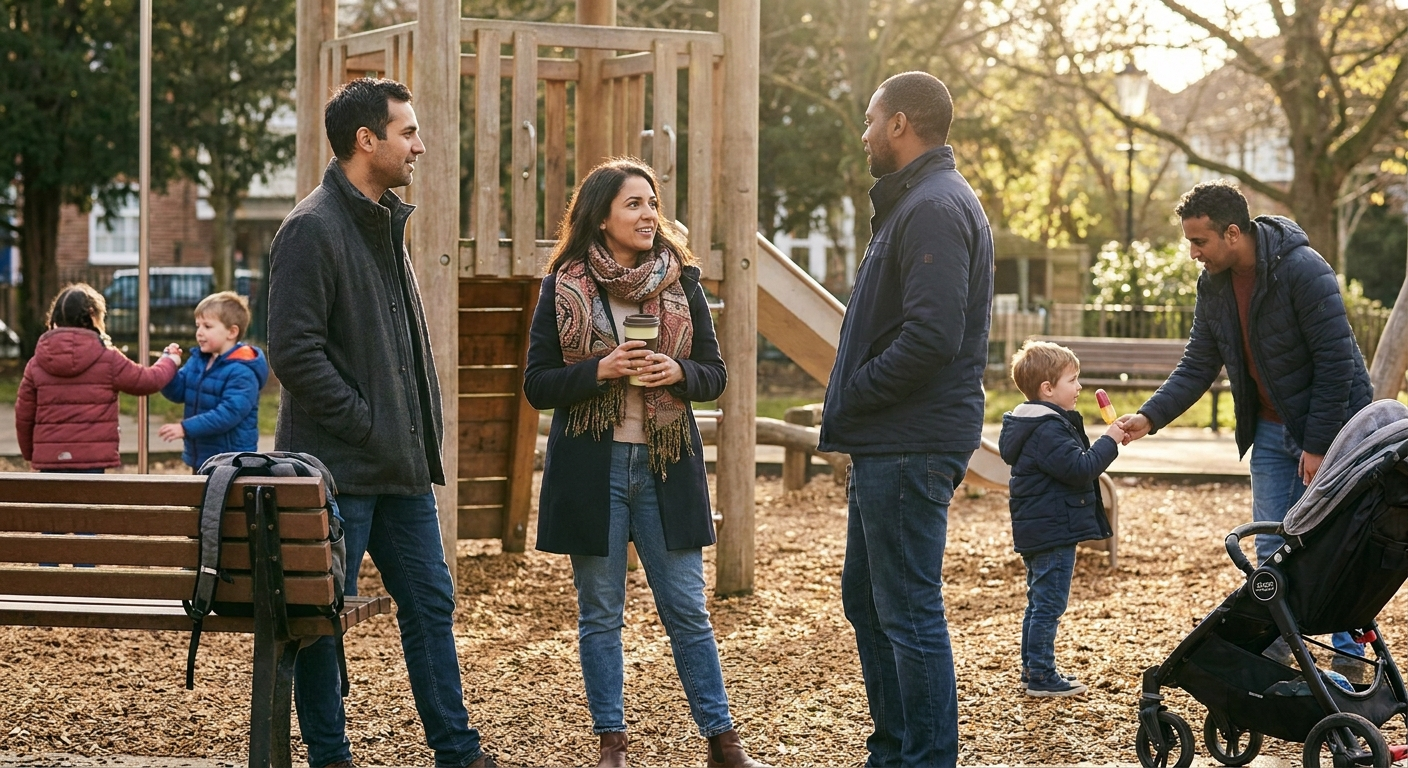
Recurring traditions help families feel anchored throughout the school year. They give people something to look forward to and create a rhythm that makes it easier to connect. For new families, traditions offer a clear entry point. For returning families, they create familiarity and a sense of continuity.
Seasonal traditions do not need to be complicated. The best ones are easy to understand, simple to repeat, and flexible enough for different families to join when they can.
Consider building a few school-year touchpoints around natural moments in the calendar:
- Back-to-school coffee morning: Invite parents to gather after drop-off during the first week of school. Keep it short and casual so people can stop by before work or errands.
- Fall neighborhood walk: Choose a stroller-friendly or kid-friendly route and invite families to walk together after school or on a weekend morning.
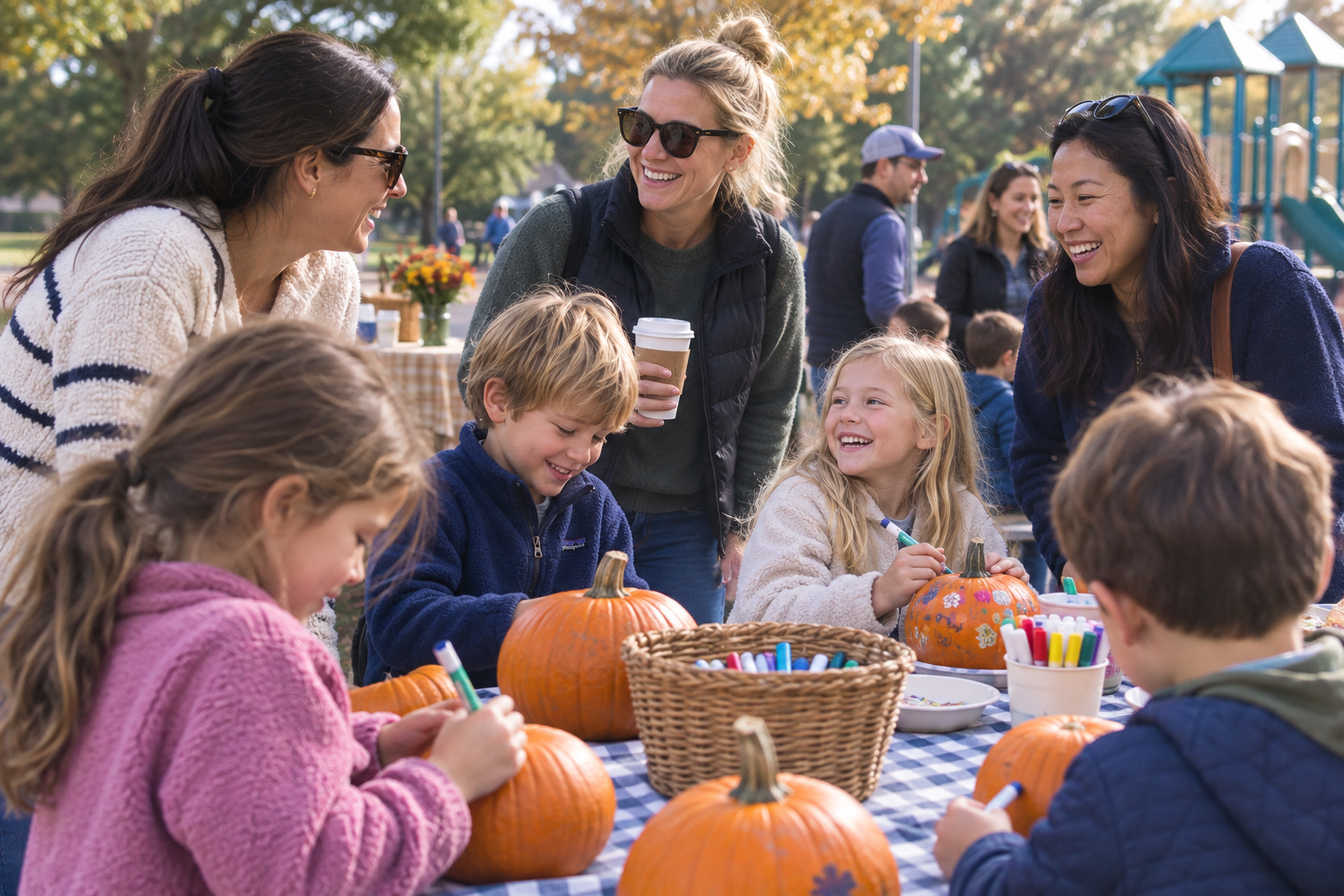
- Pumpkin decorating afternoon: Set up a few tables with stickers, markers, and washable paint. Families can bring their own pumpkins, which keeps costs low.
- Holiday cookie exchange: Invite families to bring a small batch of cookies or store-bought treats. The point is connection, not baking performance.
- Spring picnic: Meet at a park with blankets, packed lunches, and a few shared outdoor games.
- End-of-school ice cream social: Keep it simple with popsicles, ice cream cups, or a meetup at a local shop.
- Summer park meetups: Choose a few dates before school ends so families can stay connected even when routines change.
These traditions work because they become familiar. Families do not have to wonder what the event is, whether it is formal, or if they need to bring something impressive. They know the general idea, and that predictability makes it easier to say yes.
Seasonal traditions also help a parent community feel less dependent on one moment. If someone misses the fall walk, there will be another opportunity. If a new family joins midyear, the spring picnic can become their first easy introduction.
Make It Easy for Families to Say Yes
Attendance often depends less on excitement and more on convenience. Busy families may be interested in joining, but they are balancing work, childcare, homework, sports, dinner, and everything else that fills a week. The easier an event feels to attend, the more likely families are to participate.
- Start by choosing accessible locations. School playgrounds, local parks, community rooms, libraries, and neighborhood sidewalks are often easier than private homes, especially for families who may not know many people yet. If the location is familiar and simple to find, there is less hesitation.
- Keep gatherings short. A 45-minute coffee or one-hour playground meetup can feel manageable. Families can always stay longer if they want to, but a clear end time helps people understand the commitment.
- Predictable timing also helps. If your school community has a natural window, such as after Friday pickup or after a monthly PTO meeting, use it. When gatherings attach to something families are already doing, they require less planning.
- Kid-friendly activities make a big difference too. Children do not need an elaborate program, but they do need something to do. Sidewalk chalk, bubbles, coloring pages, playground time, lawn games, or a simple scavenger hunt can keep kids engaged while adults talk.
Cost matters as well. Keep gatherings low-cost or free when possible. If food is involved, invite families to bring their own snacks or contribute only if they want to. Avoid anything that makes participation feel financially or socially pressured.
Clear communication is one of the simplest family engagement ideas, and it is often overlooked. Tell people exactly what to expect:
- Where to meet
- What time to arrive
- How long it will last
- Whether siblings are welcome
- Whether food will be provided
- What, if anything, families should bring
- Whether it is okay to drop in late
A welcoming event should not require families to decode the details. The more clearly you explain the plan, the more comfortable people will feel attending.
Build Community Around Everyday Activities
Not every gathering needs a formal purpose. Some of the strongest relationships between school families form around ordinary activities that already fit into the week.
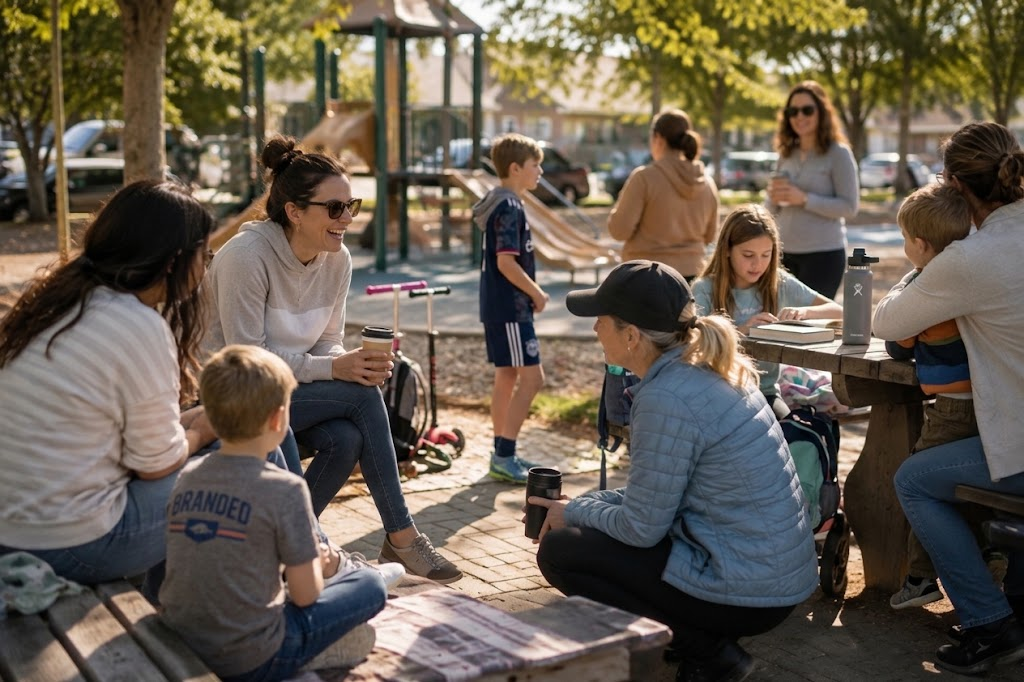
Playground meetups after school are one of the easiest ways to build school community. Children can run around while parents talk nearby. There is no agenda, no setup, and no pressure to entertain. Over time, those repeated conversations can turn into real friendships.
Walking groups after morning drop-off can work well too. A short loop around the neighborhood gives parents a way to connect before the rest of the day begins. It can be especially helpful for parents who are new to the school and want a low-pressure way to meet others.
Coffee dates with a few parents, weekend park outings, potluck dinners, outdoor movie nights, and family game nights can all create connection without feeling overly planned. These gatherings work because they feel relaxed and authentic. Families are not attending to be impressed. They are attending because it feels nice to spend time with people who share part of their daily life.
For something slightly more structured, a family game night can be especially effective. Games give children and adults something to focus on, which makes conversation feel easier. You can keep it simple with classics like Uno, conversation prompts like TableTopics, or outdoor games such as lawn bowling. Partytrick’s Game Night Playbook can also help families create a gathering where the activity supports conversation rather than taking over the whole evening.
Everyday gatherings are powerful because they do not ask families to perform. They simply make room for people to be together.
Rotate Responsibilities
A strong community should not depend on a single family to do all the work. When the same person organizes every gathering, community building can quickly become exhausting. Rotating hosting responsibilities helps more people feel invested and keeps the effort sustainable.
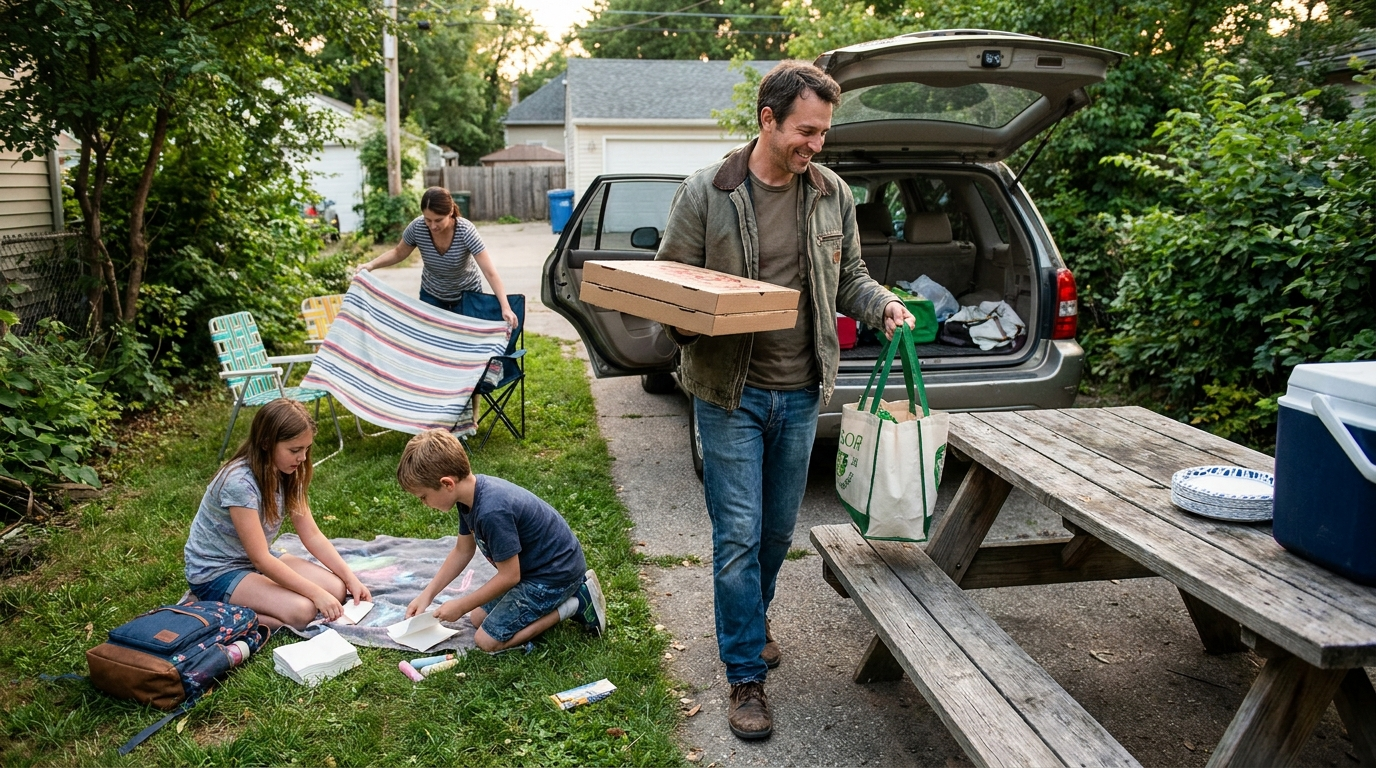
Hosting does not have to mean opening a home. Families can rotate who chooses the park, brings the sidewalk chalk, starts the group text, reserves a picnic table, or picks the date for the next coffee. Small roles still create shared ownership.
If homes are part of the rotation, keep expectations simple. One family might host a backyard popsicle hour. Another might invite families over for pizza. Someone else might organize a potluck where each family brings one easy dish. The goal is not to compare homes, menus, or hosting styles. The goal is to create more opportunities for families to gather.
Shared responsibilities can include:
- Bringing snacks or drinks
- Setting up a simple craft table
- Planning a short game
- Creating a sign-up sheet
- Welcoming new families as they arrive
- Taking photos for the parent group
- Sending a follow-up message afterward
The more approachable hosting feels, the more likely families are to participate. Make it clear that no one needs to create a perfect experience. Hospitality is about making people feel welcome, not making everything look polished.
Rotating also allows different personalities and cultures to shape the community. One family may love outdoor play. Another may enjoy casual dinners. Another may be good at organizing simple seasonal crafts. When more families contribute, the community becomes richer and more representative of its people.
Create Opportunities for New Families to Feel Included
It is easy for new families to feel like outsiders, especially if other parents already seem to know one another. Even a friendly school can feel intimidating when conversations are happening in established groups.
Intentional invitations can make a meaningful difference. If you notice a new parent at pickup, introduce yourself. If a family joins midyear, invite them to the next casual gathering. If someone seems unsure where to stand or who to talk to at an event, make space for them in the conversation.
Personal invitations often work better than general announcements. A school newsletter or group message may share the information, but a direct note can make someone feel wanted. Try something simple: “A few families are meeting at the park after school on Friday. We’d love for you to join if you’re free.”
Pairing new families with returning families can also help. This does not need to be formal. A PTO leader, room parent, or volunteer can introduce families with children in the same grade or in the same neighborhood. A familiar face makes the next event easier to attend.
At gatherings, introductions matter. Name tags can help, especially at the beginning of the school year or during larger events. A simple pack of name tags can remove the small but real stress of remembering names. Hosts can also gently introduce people by connection point: same grade, same bus stop, shared activity, or similar neighborhood.
Plan events that do not require existing friend groups. A potluck with open seating, a scavenger hunt with mixed teams, a playground meetup, or a seasonal craft table gives people a reason to interact with people beyond their usual circle.
Partytrick’s Become a Super Neighbor Playbook is a natural fit for this kind of community building. It centers on meeting new people, making connections, and creating a sense of belonging, which is exactly what new school families often need.
Welcoming new families does not require a formal program. It requires noticing who may be standing at the edge and making the first move.
Let Kids Help Build the Community Too
Children often make introductions easier. When kids are engaged, parents naturally have more chances to talk. A shared activity gives everyone something to gather around and helps reduce the awkwardness of starting a conversation from nothing.
Group games are a simple place to start. Relay races, tag, lawn games, board games, or card games can work depending on the age group and setting. Family-friendly competitions can be fun as long as the tone stays light and inclusive.
Craft tables are another easy option, especially for seasonal gatherings. Pumpkin decorating, card making, friendship bracelets, simple ornaments, or collaborative murals give children something creative to do while parents connect nearby.
Scavenger hunts work well at parks, school grounds, or neighborhood walks. Keep the list simple and age-appropriate: find a red leaf, spot a dog, count three benches, or find something circular. Children can work in pairs or small groups, which helps them get to know one another, too.
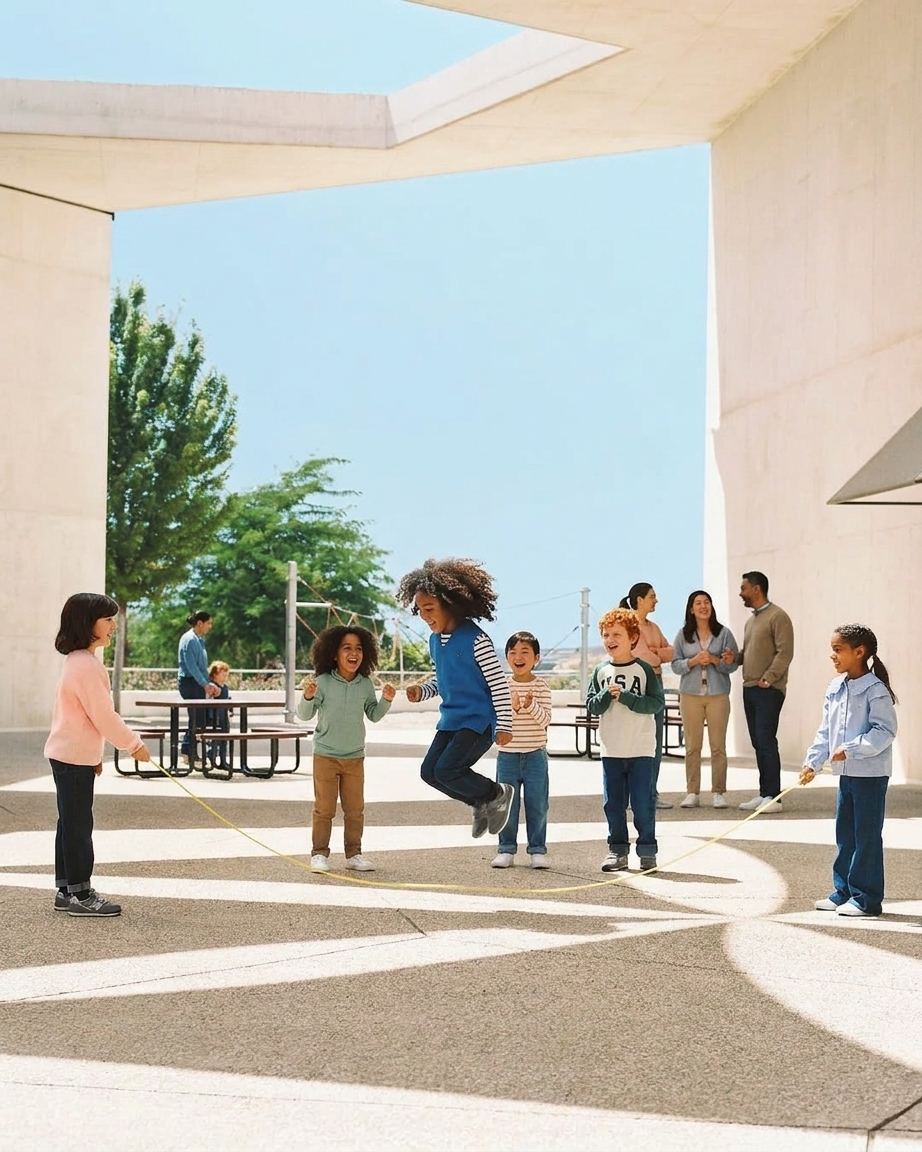
Shared outdoor activities are often the easiest for mixed ages. Bubbles, sidewalk chalk, soccer balls, jump ropes, picnic blankets, and playground time can keep the energy relaxed. You do not need to entertain every child every minute. You just need enough structure to help families settle in.
Collaborative projects can also build a sense of belonging. Families might create a welcome banner for the school year, decorate a bulletin board, assemble care packages for teachers, or contribute to a community cookbook. These activities help children see themselves as part of something larger.
When kids begin to recognize one another outside of class, parents often follow. A child asking to meet a friend at the park can become the beginning of a family friendship.
Keep the Momentum Going Throughout the Year
Community is not built in a single event. It grows through repeated invitations, small follow-ups, and the feeling that families can count on one another.
Recurring gatherings help maintain momentum. A monthly playground meetup, a quarterly seasonal tradition, or a casual parent coffee can keep connections from fading between major school events. The rhythm matters more than the size.
Follow-up is helpful too. After a gathering, send a short message thanking families for coming and mentioning the next opportunity to connect. Share a photo if appropriate, recap a funny moment, or ask if someone else would like to choose the next date. These small gestures remind people that the gathering was not a one-time effort.
Parent group chats can support connection when used thoughtfully. Keep the tone welcoming and practical. A group chat might help families coordinate park meetups, share reminders, ask for help during busy weeks, or celebrate small milestones. It does not need to become another overwhelming communication channel.
Celebrating birthdays, school milestones, teacher appreciation moments, or seasonal transitions can also strengthen the community. A quick message, shared card, or simple gathering can help families feel seen.
The same is true during busy or difficult seasons. School, family, and community become especially meaningful when parents support one another through schedule changes, illness, childcare gaps, or stressful weeks. Offering to pick up supplies, sharing a reminder, bringing a meal, or including a sibling in a park meetup can turn a casual connection into a trusted one.
Most importantly, keep inviting people even after the first event. Not everyone can attend the first time. Some families may need several invitations before they feel comfortable joining. Consistency communicates that the door is still open.
Over time, these repeated moments turn acquaintances into a true community.
Final Thoughts
Building a school community does not require a large budget, endless free time, or one perfectly planned event. It starts with one invitation, one shared meal, one coffee after drop-off, or one afternoon at the park.
The small moments matter because they give families a chance to know one another in real life. They help new parents feel less alone. They give children more familiar faces. They make school feel less like a place families pass through and more like a community they belong to.
When the focus stays on connection over perfection, school community building becomes much more approachable. You do not need to impress anyone. You only need to create simple, repeated opportunities for families to feel welcome.
For more seasonal gathering ideas, hosting inspiration, and community-building resources, explore the Partytrick Playbook Library and find an idea you can make your own this school year.
More articles
How to Organize a Teacher Appreciation Week Without Doing Everything Yourself
Learn how to plan a thoughtful Teacher Appreciation Week with simple schedules, shared volunteer roles, clear communication, and realistic ways for every family to participate without one person doing it all.
.jpg)
How to Meet Other Parents at the Start of the School Year
Starting a new school year can feel just as uncertain for parents as it does for kids, but building a school parent community often begins with small, steady moments. From saying hello at drop-off to inviting one family for coffee or a park meetup, simple gestures can help parent friendships grow throughout the year.
The Ultimate Class Party Planning Checklist for Room Parents
A simple, stress-free guide for room parents to plan organized, age-appropriate classroom parties with clear timelines, volunteer roles, supplies, activities, and day-of tips.

Sign up for expert tips, exclusive content, and the 411 on the latest parties—all straight to your inbox.
Your shortcut to stress-free hosting
Spend less time coordinating and more time actually connecting.