


.jpg)
How to Meet Other Parents at the Start of the School Year
The start of the school year can feel a little uncertain for parents, too.
Children are learning new routines, new teachers, new classrooms, and new faces. Parents are doing their own version of the same thing: trying to remember names, understand the rhythm of the school day, figure out where to stand at pickup, and decide how involved they want to be.
Even confident, friendly people can feel a little hesitant at the beginning. It is easy to assume everyone else already knows one another, or that parent friendships should happen naturally if they are meant to happen. But most school parent communities are built on a smaller scale. A hello at drop-off. A familiar face at the book fair. A quick text before a classroom event. A casual invitation that gives two families a reason to spend time together.
If you are wondering how to meet other parents this school year, the answer does not have to be complicated. You do not need to become the most outgoing person in the room, join every committee, or host a full class party. You can start with small, steady interactions that make it easier for friendships to grow over time.

Start with small conversations
Making parent friends usually begins with very ordinary moments.
Drop-off and pickup can feel rushed, but they also create the easiest opportunities to say hello. If you see another parent regularly, simply introduce yourself: “Hi, I’m Miles. I think our kids are in the same class.” From there, keep the conversation light. Ask which teacher they have, how their child is adjusting, or whether they plan to attend the next school event.
These small conversations may not feel meaningful right away, but they matter. They help people become familiar. They make the next interaction easier. They give both parents a reason to say hello again.
If names are hard to remember, that is normal. Try connecting the parent’s name with their child’s name in your phone notes, or repeat it once during the conversation. You can also be honest if you forget. Most parents are learning many names at once and will understand.
The main goal is not to become instant friends. It is to create a little warmth and recognition. A school parent community often starts with people seeing the same faces over and over, then slowly feeling comfortable enough to talk.
It also helps to remember that many parents are hoping someone else will make the first move. A simple introduction can feel like a relief, especially for families who are new to the school, the neighborhood, or a grade level.
Show up to school events, even briefly
Being present is one of the simplest ways to meet other parents.
Meet-the-teacher nights, PTO meetings, open houses, school performances, book fairs, fundraisers, and classroom volunteer days all give parents a shared reason to be in the same place. You do not have to walk in with a plan. You just have to show up often enough that people begin to recognize you.
This does not mean committing to every event or staying until the last chair is stacked. Busy families have work schedules, younger siblings, dinner routines, and limited energy. If you can only stop by for twenty minutes, that still counts. If you can attend one event a month, that still helps.
The more often you appear in school spaces, the more natural conversations become.
You might sit near the same parent at a performance, stand beside someone in the book fair checkout line, or recognize another family from the playground after an open house.
These moments are low-pressure because the event gives you something to talk about. You can ask how their child liked the performance, whether they have done the fundraiser before, or what they thought of the classroom visit. You are not trying to force a connection out of nowhere. You are responding to a shared experience.
For elementary school parents especially, these events can become small building blocks for a stronger support system.
Over time, you start to know who has children in the same grade, who lives nearby, who volunteers often, and who might also be looking for more connection.
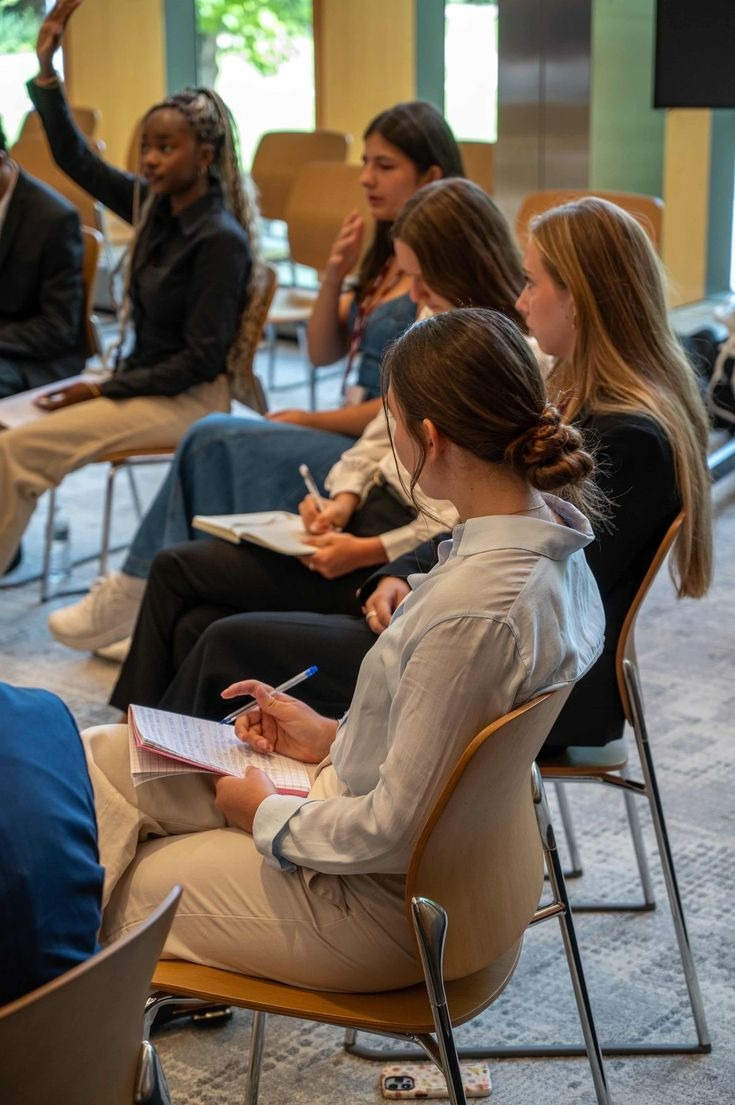
Volunteer for something that fits your schedule
Volunteering is one of the easiest ways to meet parents because it gives everyone a task.
Standing in a room and trying to make conversation can feel awkward. Working beside another parent at a book fair table, helping with a field trip, setting up for Teacher Appreciation Week, or organizing snacks for a classroom celebration gives the conversation somewhere to go.
You do not have to take on the biggest job. In fact, smaller roles are often easier to sustain. You might sign up for one lunch volunteer shift, help in the library once a month, join a fundraising committee for a short project, or offer to bring supplies for a classroom activity.
Room parent roles can be a helpful way to meet many families, but they are not the only path.
If your schedule is tight, look for one-time opportunities. Field trips, book fairs, school picture day, and classroom parties often need extra hands without requiring a long-term commitment.
Shared tasks make conversation feel less forced.
You can ask practical questions, compare notes, laugh about the chaos of a busy event, and work together toward something useful. That kind of interaction often feels more natural than trying to make parent friends through small talk alone.
It also shows other families that you are part of the school community. You are not performing involvement or trying to be everywhere. You are simply contributing in a way that works for your life.
Invite one family instead of a whole crowd
If you want to build closer relationships, think small.
A full-class gathering can be lovely, but it is not always the easiest place to make a real connection. Large groups can be noisy, busy, and hard to navigate, especially when children are running in different directions. One-on-one invitations often feel more manageable.
You might ask another parent if they want to grab coffee after drop-off, meet at the playground after school, get ice cream after soccer practice, or bring the kids to the park on Saturday morning. If you live nearby, a simple neighborhood walk can be enough.
The invitation does not need to sound formal. Try something like, “We’re heading to the playground after pickup on Friday if you want to join,” or “Would you and your child want to come over for pizza one night next week?” Keeping it casual makes it easier for the other family to say yes, and easier for you not to overthink it.
This is also a helpful approach if you are naturally more reserved. You do not have to become the person who brings everyone together. You can start by getting to know one family a little better.
Meaningful friendships often begin this way. Two children enjoy playing together. Two parents have an easy conversation. A short meetup turns into another one. Eventually, the relationship starts to feel less like a school connection and more like real support.

Create simple reasons to gather
Hosting can be a generous way to help families connect, but it does not need to be elaborate.
A back-to-school coffee morning, popsicles after the first week, a Friday afternoon park meetup, a family movie night, holiday cookie decorating, or an end-of-season celebration can all give parents a reason to spend time together. The key is to keep the gathering simple enough that people feel comfortable attending, and you feel comfortable hosting.
For example, a coffee morning after drop-off might mean a pot of coffee, a few pastries, and an hour of open time. If you want a simple format to build from, Partytrick’s Hosting a Back-to-School Coffee Morning at Home is a helpful related read because it keeps the focus on making parents feel comfortable, not hosting something complicated.
Popsicles after school can happen in the front yard or at a nearby park. A pizza night can be store-bought, with paper plates and an early end time. The point is not to entertain perfectly. The point is to create space for conversation.
This is where Partytrick’s approach to gathering can be especially helpful. A simple plan gives the host more room to be present. If you want ideas that are easy to adapt for families, the Partytrick Playbook Library can help you choose a format, think through timing, and keep the gathering focused on connection instead of overplanning.
It helps to be clear in the invitation. Tell people what to expect, when to arrive, and whether children are included. Parents are more likely to say yes when the plan feels easy to understand.
You can also keep gatherings repeatable. A first-Friday park meetup or a once-a-month coffee after drop-off gives people something to count on without requiring a new idea each time. Familiar rhythms make community easier to build.
Stay connected between events
Relationships grow through consistency.
After you meet a few parents, look for simple ways to stay in touch. Join the classroom communication group if one exists. If you connect with one or two parents, exchange numbers. Follow up after a gathering with a quick note: “It was so nice to see you today. Let’s do it again soon.”
Small text groups can be useful when they have a clear purpose. You might create one for families in the same class, parents going to the same after-school activity, or a few nearby families who want to coordinate playground meetups. Keep the tone helpful and low-pressure.
Sharing school reminders is another easy way to build goodwill. A quick note about spirit day, a field trip form, or a book fair deadline can be genuinely useful. These small gestures show that you are paying attention and willing to help.
It is also fine to be the person who reaches out first. Many parents wait for an invitation because they are unsure if others are interested. If you enjoyed talking with someone, say so. If your children had fun together, suggest another time. If a school event is coming up, ask if they are going.
Parent friendships often depend less on a perfect first conversation and more on gentle follow-through. The relationship grows because someone keeps the thread going.
Be inclusive as your circle grows
As you begin making parent friends, keep the circle open.
School communities change throughout the year. New families arrive. Children switch activities. Parents who seemed quiet at the beginning may become more involved once the school routine settles. Someone who could not attend fall events may have more availability later.
A strong school-parent community is not built on exclusivity. It is built around making room.
That might mean inviting a new family to join a playground meetup, introducing parents to one another at school events, or rotating gatherings so the same person is not always hosting. It can also mean planning get-togethers that are easy for different personalities to enjoy. Not everyone wants a big group dinner. Some parents prefer a morning coffee, a park meetup, or a short volunteer shift.
A helpful hosting habit, inspired by Host How I Host: Corrie Mendes, is to introduce people through something they have in common. At a school coffee morning or park meetup, that can be as simple as mentioning that two families have children in the same grade, live nearby, or are both trying the same after-school activity.
Hospitality is not only about what happens in your home. It is the practice of noticing who might feel on the outside and creating a simple way for them to step in.
This matters for children, too.
When parents build friendly connections, children often feel more anchored in their school community. They see familiar faces at events, feel more comfortable at playdates, and understand that school life extends beyond the classroom in a supportive way.
You do not have to invite everyone to everything. That can become overwhelming quickly. But you can stay aware of the tone your group creates. If the circle grows, let it grow in a way that feels welcoming.
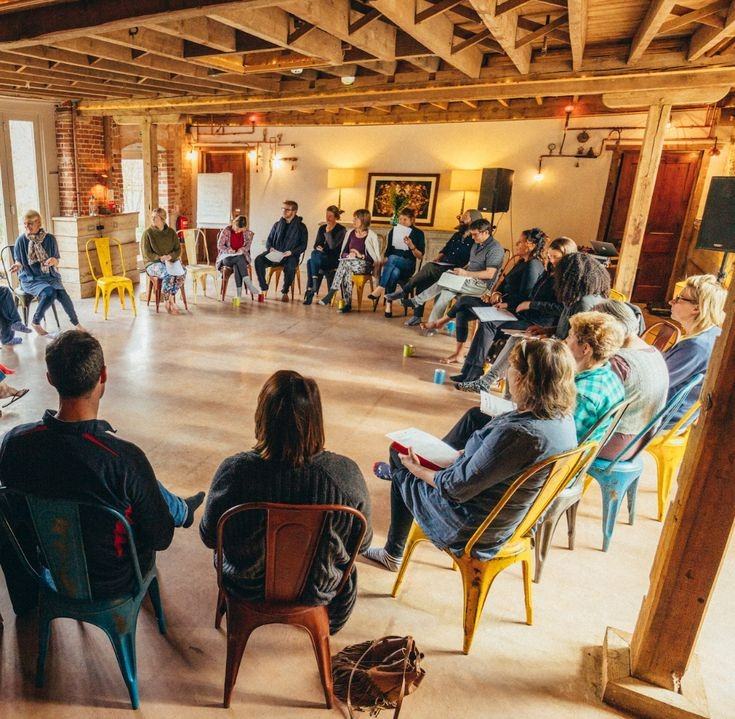
Friendships take time
It is tempting to hope that the right parent friend will appear right away. Sometimes that happens. More often, relationships develop slowly.
You see the same person at pickup. You talk at a school event. Your children end up at the same birthday party. You volunteer together. One day, the conversation feels easier than it did the first time.
That gradual pace is not a problem. It is usually how community works.
Try to let go of the pressure to find your people immediately. Some connections will become close friendships. Others will remain friendly acquaintances, and those matter, too. A parent you can wave to at drop-off, text about homework, or sit beside at a school performance can still make the school year feel more connected.
Consistency often matters more than chemistry in the beginning. Showing up, saying hello, following through, and making small invitations gives relationships time to grow. You are not trying to force closeness. You are creating the conditions for it.
This mindset can be especially helpful for parents who feel nervous about meeting parents at school. You do not have to measure success by how quickly you make a best friend. A stronger parent community can begin with a few familiar names and a handful of shared moments.
The Friendships That Start With a Simple Hello
School communities are not built by accident. They grow through small invitations, shared experiences, and everyday conversations.
A hello at drop-off can become a familiar face. A quick conversation at the book fair can become a coffee invitation. A casual park meetup can become the beginning of a friendship that supports your family throughout the year.
If you are hoping to meet other parents this school year, start with one small step. Say hello. Show up when you can. Volunteer in a way that fits your schedule. Invite one family instead of trying to gather everyone. Keep the door open as your circle grows.
You do not need to make the year feel instantly connected. You only need to create a few simple openings. Over time, those openings can become the parent friendships, school support, and everyday community that make the year feel easier for everyone.
For more low-pressure gathering ideas that help families connect throughout the school year, explore the Partytrick Playbook Library. Start with something simple, like a Pizza Party, Potluck, or family movie night, and build from there. You can also sign up for the Partytrick newsletter for thoughtful hosting ideas, seasonal inspiration, and simple ways to bring people together year-round.
More articles

Everything a Room Parent Needs to Know Before the School Year Starts
A practical, reassuring guide to help first-time room parents understand their responsibilities, get organized before school starts, and support the classroom without trying to do everything themselves.

Ask Partytrick: How Do I Get Better at Hosting?
Good hosting is less about impressing guests and more about helping them feel comfortable, included, and at ease. This Ask Partytrick guide shares practical ways to think like a guest, simplify the plan, and create gatherings that feel welcoming without chasing perfection.

Back-to-School Brunch Ideas to Kick Off the New School Year
Back-to-school season can feel busy before it even begins, but a simple brunch gives families, students, teachers, and neighbors a chance to pause and reconnect. This blog shares easy, low-pressure ideas for marking the start of the school year around the table.

Sign up for expert tips, exclusive content, and the 411 on the latest parties—all straight to your inbox.
Your shortcut to stress-free hosting
Spend less time coordinating and more time actually connecting.