


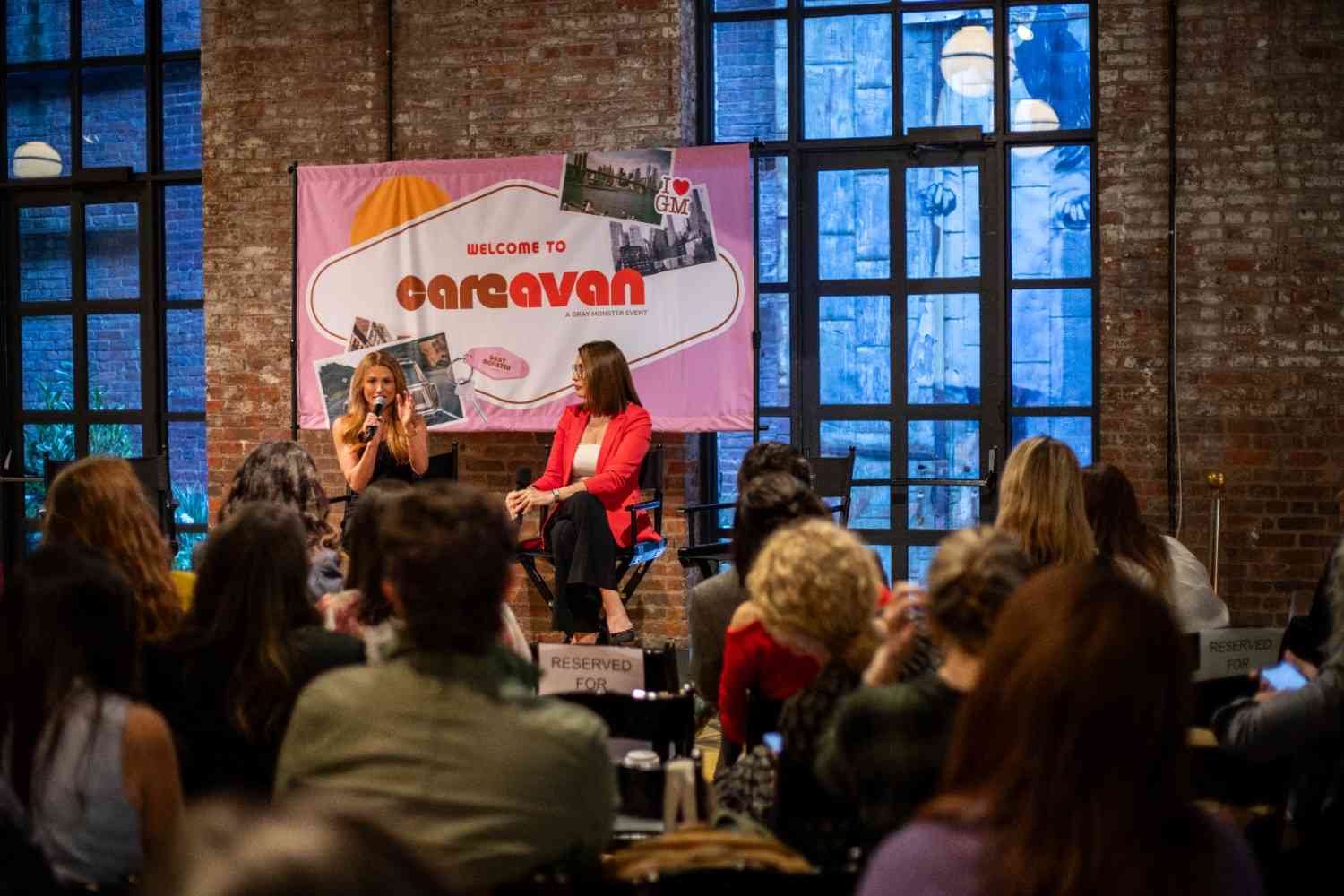
How to Organize Recurring Events for Your Team
If you've ever planned an event, you know the gathering itself is only a small part of the work.
Long before guests arrive, there are invitations to send, vendors to coordinate, timelines to finalize, budgets to track, supplies to order, and a seemingly endless stream of decisions that must all happen in the right order.
Now imagine doing that every month, every week, or across multiple teams and locations.
That's the reality for marketing teams producing brand activations, community managers organizing recurring events, founders hosting customer dinners, nonprofits planning fundraisers, youth sports organizations coordinating an entire season, and anyone else responsible for creating experiences on a regular basis.
People often assume that hosting at scale simply means hosting more people. In reality, it usually means hosting more often, which is an entirely different challenge.
The organizations that make recurring events look effortless aren't necessarily spending more money or hiring larger teams. They've simply found a better way to organize everything that happens behind the scenes.
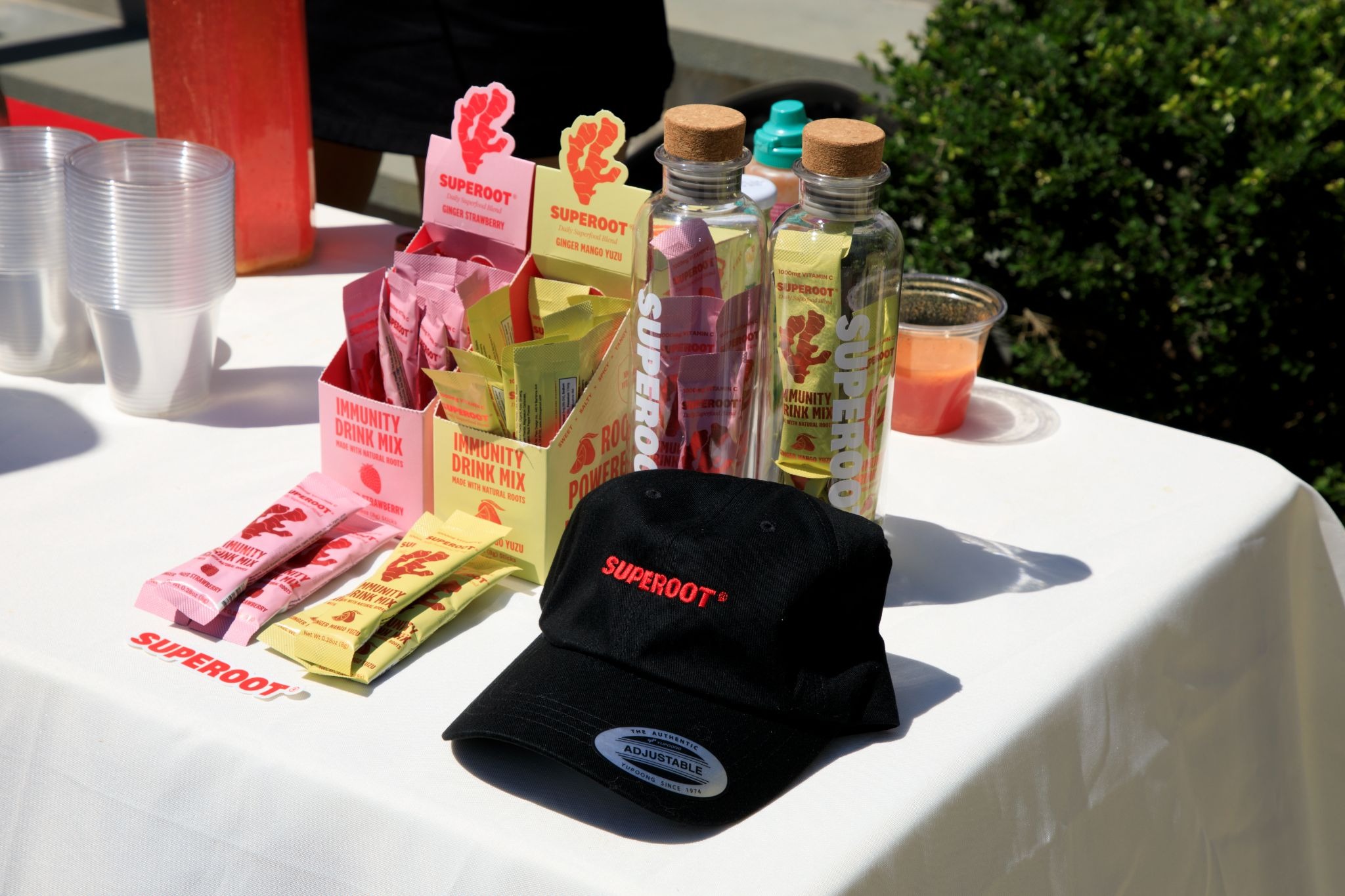
If You Plan Events Regularly, This Is for You
Whether you're planning:
- brand activations
- customer events
- founder dinners
- networking events
- nonprofit fundraisers
- apartment community events
- PTA events
- youth sports seasons
- client appreciation events
- recurring workshops
the same challenge eventually appears: keeping people, timelines, vendors, and information organized across every event.
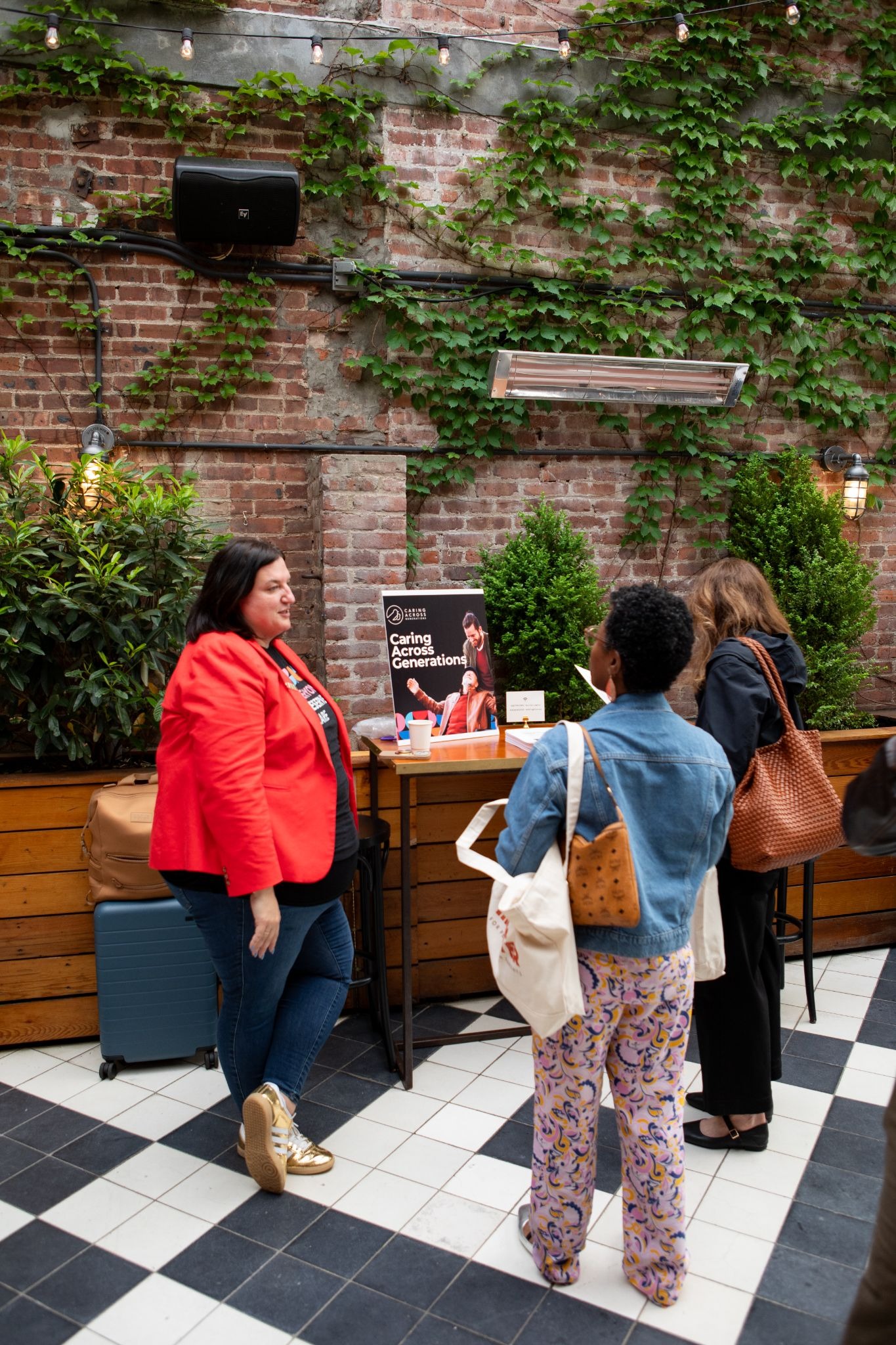
Stop Starting From Scratch
One of the easiest traps to fall into is treating every event like a completely new project.
A fresh spreadsheet gets created. Someone starts another email thread. Last month's timeline has disappeared into a folder no one can remember. Vendor contact information is buried somewhere in old text messages. Budget notes are sitting in a notebook that never made it back to the office.
None of these things feel like a problem on their own. After a handful of events, planning begins to feel far more complicated than it needs to be.
Eventually, planning starts to feel less about creating a great event and more about tracking down information you already know exists somewhere.
The teams that host consistently successful events tend to approach planning differently. Instead of rebuilding everything each time, they treat every gathering as an opportunity to improve the next one. Vendor lists stay organized. Guest communications become templates instead of one-off emails. Timelines are refined instead of rewritten. Notes about what worked (and what didn't) are saved while they're still fresh.
The result is that every event begins with a foundation instead of a blank page.
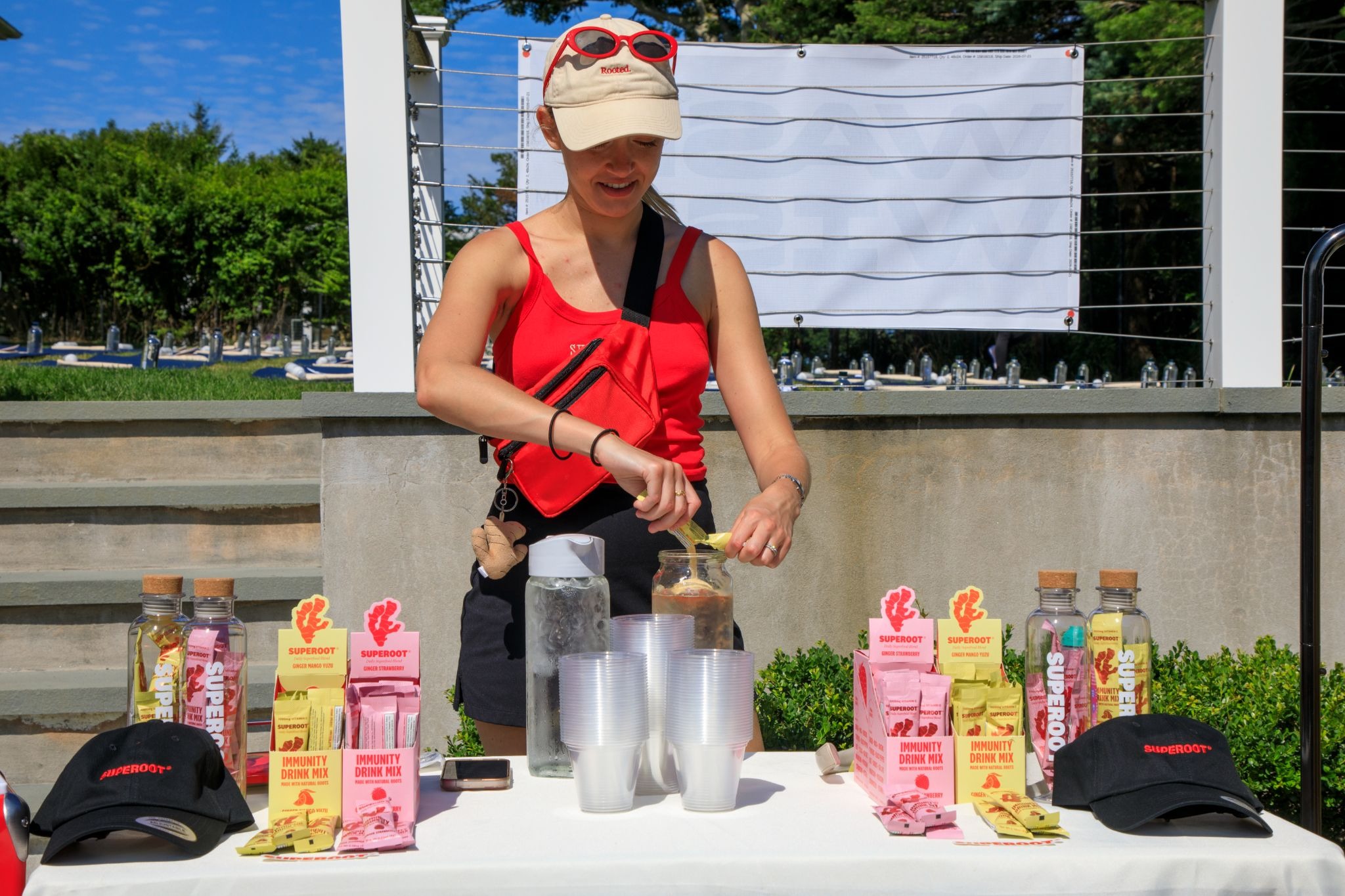
Great Hospitality Is Built Before Guests Arrive
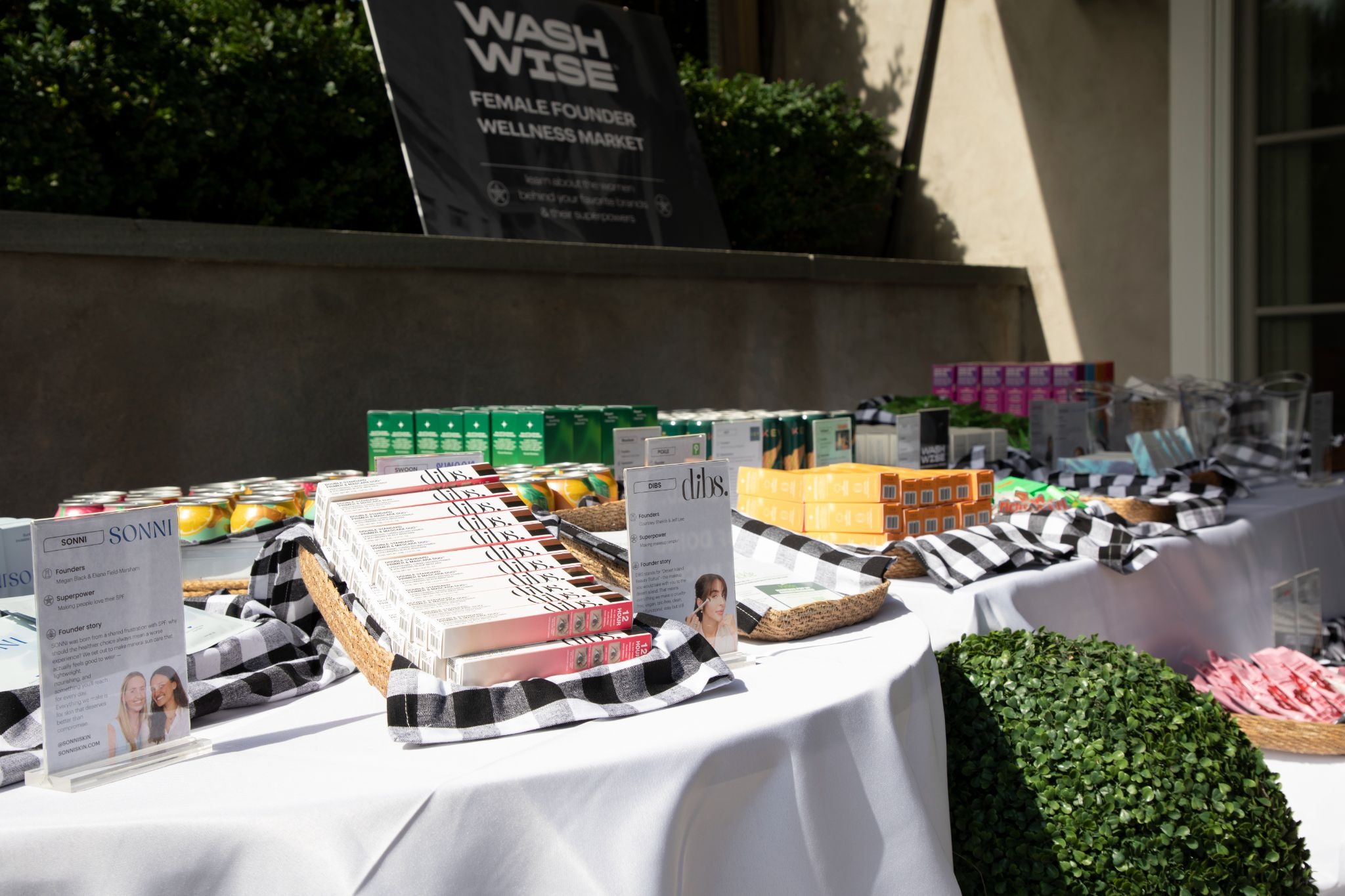
When people think about memorable events, they often focus on the visible details. The flowers. The menu. The signature cocktail. The beautiful venue.
Those things certainly contribute to the experience, but they aren't usually what determines whether guests feel comfortable. Hospitality is often shaped by the details that nobody notices because they're working exactly as they should.
Ask these questions before every event
- Could a first-time guest find the entrance?
- Do guests know where to park?
- Does someone greet arrivals?
- Is there somewhere to put coats or bags?
- Is the schedule obvious?
- Does everyone know what happens next?
None of these moments are particularly glamorous. Most won't end up on Instagram.
But together, they create something much more valuable: a guest experience that feels thoughtful from beginning to end.
Whether you're planning a founder dinner for twelve people or coordinating a community event with hundreds of attendees, those are the details people remember, even if they couldn't tell you exactly why.
Every Event Should Leave Behind Something Useful
One of the biggest advantages of hosting recurring events is that every gathering teaches you something.
You learn which vendors are reliable. You discover how long setup actually takes. You find out which communications receive the quickest response. You notice where guests naturally gather, what activities create conversation, and which parts of the evening feel unnecessary.
The work you put into one gathering shouldn't live in an old spreadsheet or disappear into your inbox. It should make the next founder dinner faster to plan, easier to coordinate, and even better to host.
Save the timeline. Keep the vendor information. Document the setup. Record feedback from attendees. Make notes about what you'd change next time.
Each community gathering leaves you with a stronger foundation, so planning the next one feels more like refining than starting over.
The Same Principles Apply Everywhere
This looks a little different depending on the kind of events you're planning, but the principle stays the same.
For brand marketing teams, that might be founder dinners, influencer events, pop-ups, product launches, media previews, or customer appreciation events. Keeping creative assets, timelines, vendor contacts, budgets, and post-event notes together means every activation starts with what you've already learned instead of another blank document.
For community organizations, recurring workshops, neighborhood gatherings, networking events, and volunteer appreciation nights become more consistent when event timelines, registration details, communications, and planning notes are easy for everyone to access.
For youth sports organizations, planning extends well beyond game day. Practices, tournaments, team dinners, fundraisers, and end-of-season banquets all become easier to coordinate when schedules, parent communications, volunteer assignments, and event details are organized in one place.
For real estate teams, client appreciation events, homebuyer seminars, broker open houses, and holiday gatherings become easier to repeat when guest lists, vendor recommendations, timelines, and past event notes are already organized and ready to build on.
No matter the organization, the goal is the same: spend less time rebuilding what already exists and more time creating a great experience.
Before You Close the Project
Before moving on to the next fundraiser, spend 15 minutes documenting what you'll want to have six months from now.
Capture things like:
- Final timeline
- Updated guest list
- Vendor contacts
- Final budget
- Photos of the setup
- What guests loved
- Last-minute problems
- Supplies you ran out of
- Ideas for next time
That becomes an incredibly useful resource the next time the event rolls around.
Measure More Than Attendance
If your organization hosts events regularly, attendance is only one piece of the story. Looking at the same metrics over time helps you spot patterns, improve future gatherings, and make more informed planning decisions.
For brand activations
- RSVP-to-attendance rate
- Cost per attendee
- Social mentions and tagged content
- Leads generated
- Product sampling or sign-ups
For community organizations
- Member attendance
- Volunteer participation
- Repeat attendance
- Event feedback
For youth sports
- Parent participation
- Volunteer sign-ups
- Fundraising totals
- Tournament attendance
None of these numbers tell the whole story on their own. But over the course of a year, they create a clearer picture of what's working, where your budget is best spent, and how your events are evolving.
Collaboration Shouldn't Depend on One Person
Many recurring events depend on one person who knows where everything is, what happens next, and who needs to do it. Every question and every decision eventually finds its way back to them.
The best networking event teams don't rely on one person to keep everything moving. They create a shared planning process where timelines, vendor contacts, guest lists, and responsibilities are easy to find, easy to update, and easy for everyone to work from.
Marketing teams need visibility into creative assets and event messaging. Operations teams need schedules and logistics. Volunteers need to know exactly where they're expected to be. Leadership wants to understand budgets, timelines, and progress without searching through multiple email chains.
When everyone is working from the same information, collaboration becomes significantly easier. Questions get answered faster. Responsibilities are clearer. Last-minute changes are less disruptive because everyone is looking at the same plan.
That's often the biggest shift organizations make as they grow. They stop treating event planning as one person's responsibility and start treating it as a shared process.
The Goal Isn't More Events. It's Better Ones.
The goal isn't simply to host more events. It's to create a planning process that can keep up with them.
When your timelines, guest lists, vendor contacts, inspiration, and notes all live in one place, your team spends less time chasing information and more time creating an experience guests will remember.
They build repeatable planning processes. They document what works. They make it easier for teammates to contribute. They spend less time searching for information and more time thinking about the people they'll be welcoming.
Ironically, the more organized the planning becomes, the more personal the experience can feel.
That's because the host is no longer consumed by logistics.
They're free to greet guests, have conversations, solve meaningful problems, and actually enjoy the event they've spent weeks preparing.
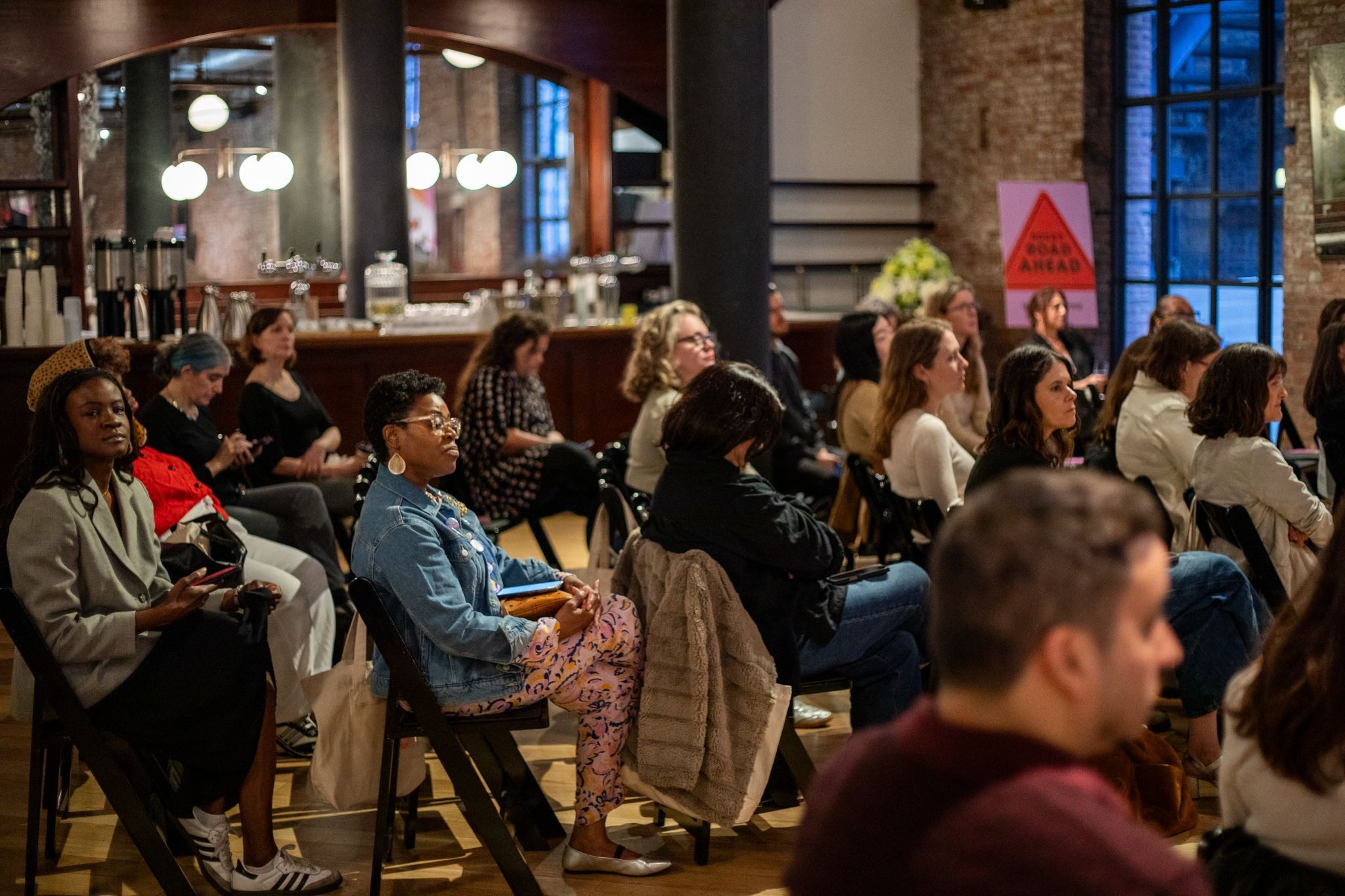
Hosting at Scale Is Really About Creating a Rhythm
One event is a project. A year of events is a program.
That shift changes the way you plan. Instead of thinking about individual checklists, you begin thinking about shared timelines, reusable resources, trusted vendor relationships, and a planning process your whole team can build on.
The organizations that host the best recurring events aren't creating more work for themselves each time. They're building a planning system that gets stronger with every gathering.
Whether you're planning monthly community gatherings, customer events, brand activations, or an entire season of programming, Partytrick Teams gives your entire team one place to organize timelines, vendors, guest lists, budgets, and everything else that goes into a successful event.
More articles
How to Host a Cozy Craft Night at Home
Learn how to host an easy craft night at home with low-stress project ideas, simple snacks, supplies, setup tips, and everything you need to plan the night.
How to Host a Fall Dinner Party Without Making It a Whole Production
A practical guide to hosting a casual fall dinner party with a manageable guest list, a mostly make-ahead menu, simple seasonal details, and enough time to enjoy your guests.
Easy Fall Potluck Ideas for Feeding a Crowd
Find easy fall potluck ideas for feeding a crowd, including mains, sides, appetizers, desserts, drinks, and simple tips for organizing the menu.

Sign up for expert tips, exclusive content, and the 411 on the latest parties—all straight to your inbox.
Your shortcut to stress-free hosting
Spend less time coordinating and more time actually connecting.