


.jpg)
What Happens When a Brand Becomes a Host?
Why community building through events is reshaping the way brands connect with customers, creators, and communities.
For a long time, the goal of marketing was simple: get in front of as many people as possible.
Brands created products, ran campaigns, sent emails, launched ads, posted content, and hoped the right people paid attention. Success was measured by reach. How many people saw your message, clicked your link, followed your account, or subscribed to your newsletter?
It worked, for a while. But now, many brands are realizing that visibility alone isn't enough. Global experiential marketing spend surpassed pre-pandemic levels in 2024, with companies investing more heavily in events, activations, workshops, founder dinners, and customer experiences. The shift reflects a broader change in how brands think about growth.
Consumers are more connected than ever before. At the same time, many people feel increasingly disconnected from one another. We have endless ways to communicate, yet meaningful connections often feel harder to find.
That creates an interesting challenge for brands. Getting someone's attention is no longer the hardest part; building a genuine relationship is.
As a result, many companies are shifting their focus from building audiences to building communities. Instead of asking how to reach more people, they're asking how to create experiences that bring people together.
It's a shift that's paying off. Research shows that 85% of consumers are more likely to purchase from a brand after attending a live event—a reminder that relationships are often built differently when people interact in real life.
From founder dinners and customer appreciation events to wellness walks, workshops, networking gatherings, and creator meetups, brands are discovering that some of the strongest relationships aren't built through a screen. They're built when people share a room, a conversation, and a common experience.
In other words, brands are becoming hosts.
Events Are Becoming a Bigger Part of Brand Building
Not long ago, events often sat on the sidelines of a marketing strategy. A company might sponsor a conference, host a launch party, or organize an annual gathering, but events were typically viewed as supporting players rather than central characters.
Now, they're taking on a much larger role.
Beauty brands are inviting customers to skincare masterclasses and community nights. Fashion brands are hosting styling sessions, private shopping experiences, and intimate dinners. Wellness companies are organizing walks, workouts, and educational workshops that feel more like social gatherings than marketing campaigns. Technology companies are bringing founders, customers, and partners together through networking events, roundtables, and dinners that encourage conversation rather than presentations.
The shift reflects a simple truth: connection rarely happens because someone saw an ad or opened an email. It happens when people share an experience, have a great conversation, or feel like they're part of something. The brands recognizing this shift aren't just creating marketing campaigns. They're creating opportunities for people to spend time together.
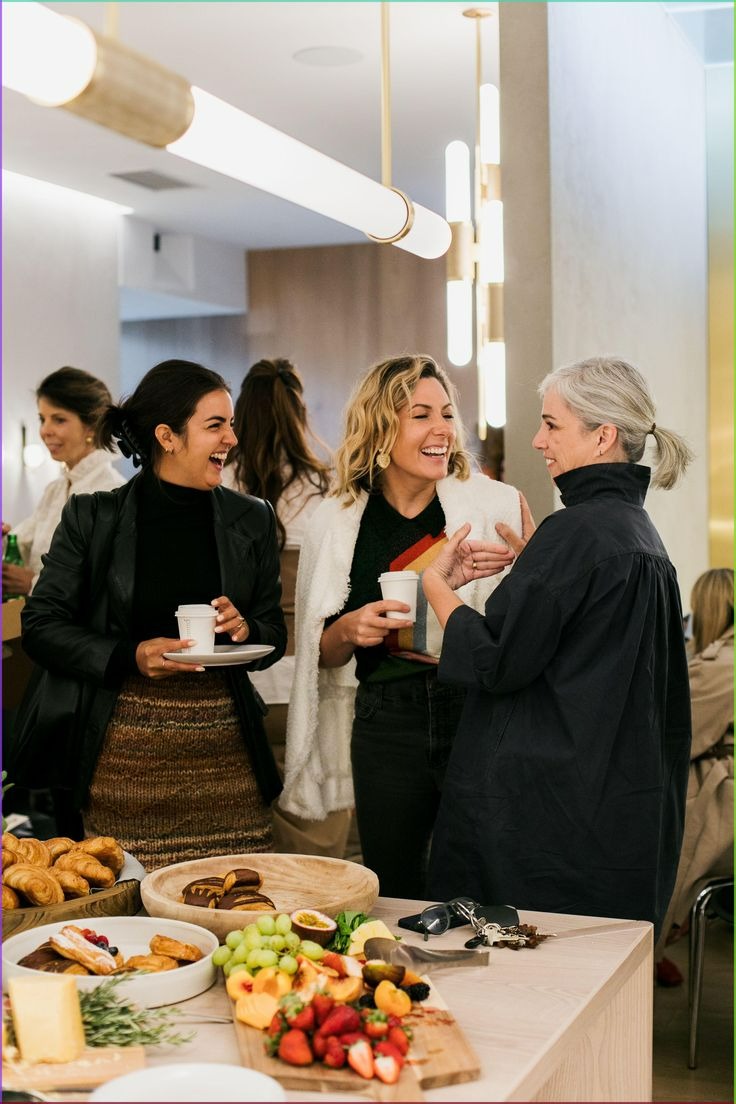
Why Community Building Through Events Matters More Than Ever
The rise of community-led growth reflects a broader shift in consumer behavior. People aren't just looking for products to buy or content to consume—they're looking for experiences, relationships, and places where they feel they belong.
Consumers are inundated with content and increasingly selective about where they spend their attention. While digital channels remain important, events create something they can't easily replicate: genuine connection. They give people a chance to gather, participate, and become part of an experience rather than simply consume one.
Research consistently shows that experiences are more memorable than advertisements. People may forget a social media post they saw last week, but they're far less likely to forget the founder they met over dinner, the workshop that introduced them to a new skill, or the conversation that sparked a future partnership.
For brands, the benefits go far beyond attendance numbers.
Community building through events can strengthen customer relationships, increase loyalty, generate valuable feedback, encourage word-of-mouth referrals, and create long-term advocates. Perhaps most importantly, events give brands an opportunity to create moments that feel authentic rather than transactional.
When attention is increasingly difficult to earn, meaningful experiences can create the kind of connection that keeps people coming back.

From Founder Dinners to Tech Week: What Community Building Looks Like Today
One of the biggest misconceptions about experiential marketing is that every successful event requires a massive budget, a packed agenda, and hundreds of attendees.
In reality, some of the most impactful gatherings are surprisingly simple.
A founder dinner with a dozen guests can create stronger relationships than a conference attended by hundreds. A customer appreciation event can deepen loyalty in ways that months of email marketing never could. A small networking gathering can spark introductions that lead to partnerships, collaborations, and friendships.
At Partytrick, we've seen brands use events in countless ways.
Some create experiences around major moments like Tech Week, where smaller gatherings often become the setting for the most meaningful conversations. Others organize community dinners, wellness activations, networking events, customer meetups, and recurring gatherings to bring people with shared interests together.
Events like Careavan are a perfect example. The goal isn't simply to put people in a room. It's to create an experience where participation feels natural, and connection becomes inevitable.
The format may vary, but the objective remains remarkably consistent: bring together the right people, create an environment where conversations can happen, and give attendees a reason to stay connected long after the event ends.
Great Events Are Designed for Connection
One of the biggest mistakes brands make when planning events is focusing on what they want to promote instead of what they want people to experience.
The most successful events start with a different question: How do we create an environment where meaningful connections can happen?
The funny thing about events is that people rarely remember the things marketers spend the most time worrying about. Guests don't leave talking about the registration software, the event agenda, or the step-and-repeat. What they remember is the people they met, the conversations they had, and how the experience made them feel.
The best events don't feel like marketing.
People don't attend gatherings because they want to be sold to. They attend because they're looking for inspiration, learning, access, connection, or community. The strongest hosts understand this instinctively, so they focus less on broadcasting messages and more on creating experiences that encourage interaction.
That might mean keeping the guest list small enough for people to genuinely connect. It could mean building in moments for conversation rather than filling every minute of the agenda. Or it might mean choosing a format that feels welcoming and approachable instead of overly polished or transactional.
The details matter, but not always in the way people think. A beautifully designed invitation won't create community on its own. A thoughtful guest list, a clear purpose, and the right mix of people often will.
When people leave feeling connected, they're far more likely to remember (and advocate for) the brand that created the experience.

Getting Started Is Often the Hardest Part
For many brands, the biggest barrier to hosting an event isn't budget; it's uncertainty.
They know that community matters and understand the value of bringing people together. They've seen other brands host dinners, workshops, customer events, and activations that seem to generate genuine excitement.
What they're not always sure about is where to begin.
How many people should you invite?
What type of event makes sense for your audience?
Do you need a venue?
Should there be a formal agenda?
How do you get people to actually show up?
Those questions stop a surprising number of great ideas before they ever leave the planning stage.
The good news is that community-building events don't have to start with a large production or a six-figure budget. In fact, many of the strongest communities begin with something much smaller: a dinner, a coffee meetup, a workshop, a networking breakfast, or a customer appreciation gathering.
Smaller events often have advantages that larger experiences can't replicate. Conversations feel more natural. Introductions happen more easily. Guests are more likely to leave with meaningful connections rather than a stack of business cards.
The goal isn't to host the biggest event in your industry; it's to create an experience that gives people a reason to gather.
From there, momentum tends to build naturally. One event becomes two. A customer becomes an advocate. A guest brings a friend to the next gathering. Most thriving communities don't start with hundreds of people. They start with a handful of the right people in the room together.
Why More Brands Are Looking for Event Infrastructure
One reason many brands hesitate to invest in events is the perception that every gathering requires a tremendous amount of coordination.
There's the guest list, RSVPs, venue logistics, communications, timelines, vendors, follow-up, and a hundred small details that can quickly become overwhelming, especially for teams that don't host events regularly.
As events become a larger part of community-building and experiential marketing strategies, many brands are looking for ways to make hosting more repeatable and scalable. The most successful organizations rarely start from scratch every time. Instead, they develop systems that allow them to recreate successful experiences while maintaining consistency across events.
That might mean using repeatable event playbooks, standardized timelines, curated vendor recommendations, or guest management tools that simplify everything from registration to post-event follow-up.
For brands running multiple activations throughout the year, whether that's a pop-up shop, influencer dinner, founder gathering, customer appreciation event, or industry panel, having a centralized way to manage events can make the difference between hosting occasionally and building an ongoing community program.
Just as importantly, brands are increasingly looking for ways to understand what's working. Attendance, engagement, RSVPs, repeat participation, and event performance data can help teams refine future experiences and better understand the impact events have on community growth and customer relationships.
As community-building becomes a larger business priority, the conversation is shifting from "How do we host an event?" to "How do we build a repeatable strategy for bringing people together?"
Hosting Is Becoming a Competitive Advantage
Brands building the strongest communities aren't necessarily the ones spending the most on advertising. They're often the ones creating opportunities for customers, creators, partners, and advocates to connect with one another.
As more brands invest in community-led growth, the ability to bring people together is becoming increasingly valuable. Products can be copied. Marketing campaigns come and go. Communities are much harder to replicate. That's one reason experiential marketing continues to gain momentum. The most successful events don't just create awareness—they create relationships, trust, and a sense of belonging that extends beyond the event itself.
When people feel connected to a brand and the people around it, they're more likely to return, participate, refer others, and become long-term advocates. In many ways, hosting has become a modern leadership skill. The ability to create welcoming experiences, facilitate introductions, and bring together the right mix of people is increasingly valuable across industries.
A founder dinner can lead to a partnership. A customer event can strengthen loyalty. A workshop can introduce a brand to new audiences. A community gathering can transform customers into advocates.
The impact often extends far beyond the event itself.
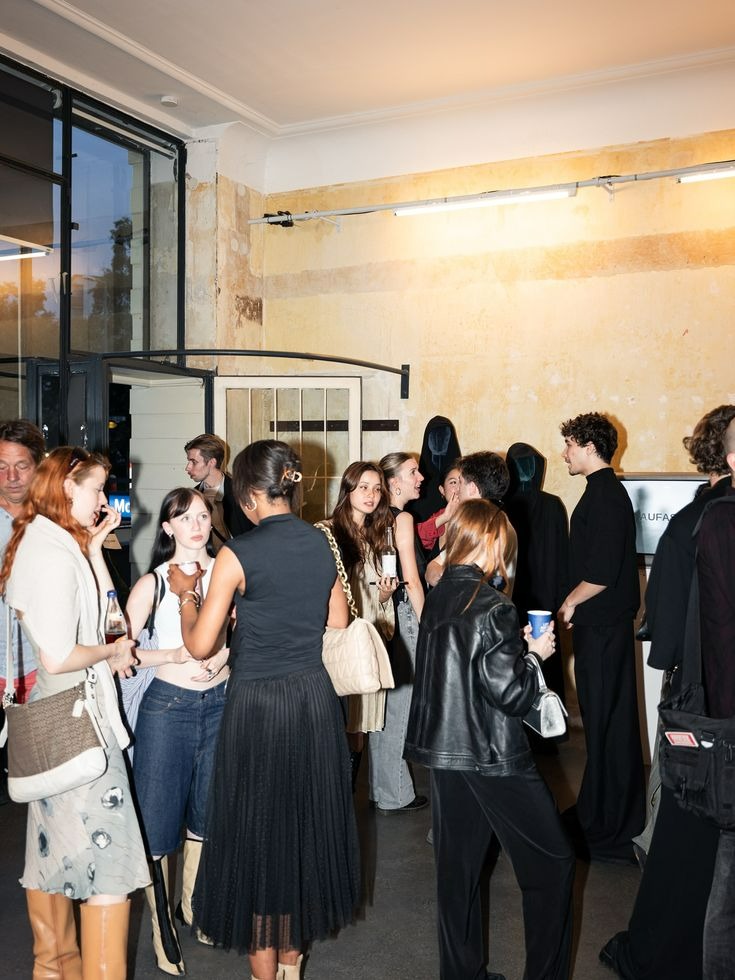
The Future Belongs to Brands That Bring People Together
As consumers become more selective about how they spend their time, attention, and money, brands are looking for ways to create experiences that feel more personal and memorable than traditional marketing channels alone can.
Events provide an opportunity to do exactly that.
Not every brand needs a conference. Not every company needs a dedicated events team. But many organizations can benefit from creating more opportunities for customers, partners, and communities to connect in real life.
That's why community building through events continues to gain momentum across industries; from beauty and fashion to wellness, hospitality, technology, and beyond.
Most communities don't start with hundreds of people.
They start with a handful of people who are glad someone decided to bring them together.
Sometimes that's a dinner. Sometimes it's a workshop, a community meetup, a customer event, or a gathering during Tech Week.
The format may change, but the goal remains remarkably consistent: create opportunities for people to connect. The brands figuring this out aren't just building audiences. They're creating experiences, fostering relationships, and building communities.
Ready to Host Your Own Community Event?
Whether you're planning a founder dinner, customer appreciation event, workshop, networking gathering, or large-scale brand activation, Partytrick helps turn great event ideas into repeatable community-building programs.
Explore our Playbook Library for event inspiration, planning resources, and proven frameworks for building community through events. For growing brands and organizations that manage multiple gatherings throughout the year, Partytrick Teams provides a centralized way to plan, coordinate, and scale events without having to start from scratch each time.
More articles
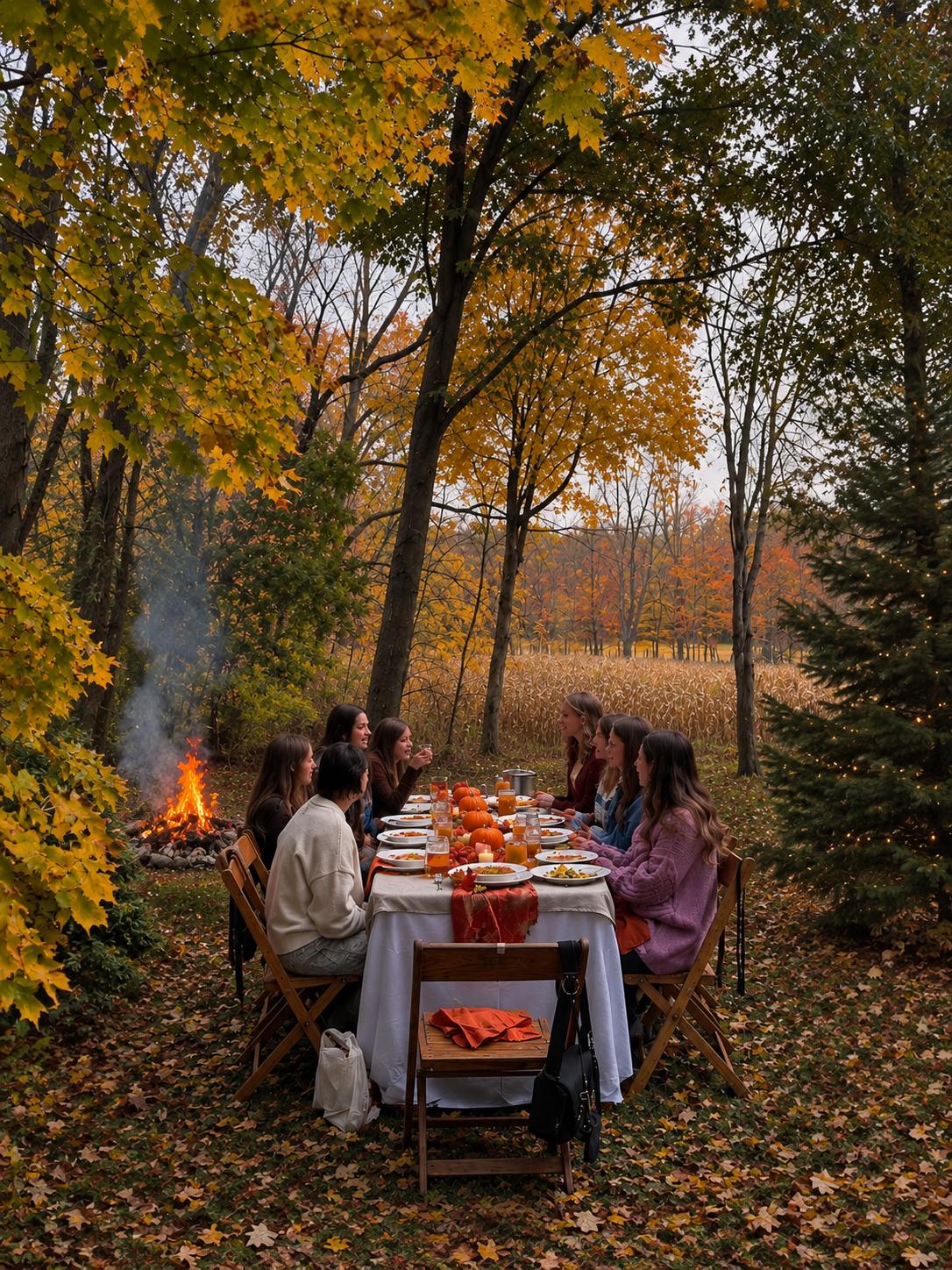
Five Gatherings to Put on Your Calendar This Fall
Plan meaningful fall gatherings with ideas for a dinner party, soup night, a football watch party, a cider tasting, and a cozy game night.

Host How I Host: Jen Lagedrost Cavender on Creating Immersive Gatherings
For Jen Lagedrost Cavender of Nectar & Bloom, memorable hosting begins with a theme and blooms through flowers, thoughtful details, and playful ways for guests to connect. Her approach proves that an immersive gathering can feel elevated without becoming overly complicated.
Ask Partytrick: What Do You Do When Guests Don't Know Each Other?
Practical, low-pressure ways to help guests who don't know each other feel comfortable, from thoughtful introductions to a room that makes conversation easy.

Sign up for expert tips, exclusive content, and the 411 on the latest parties—all straight to your inbox.
Your shortcut to stress-free hosting
Spend less time coordinating and more time actually connecting.