


.webp)
Welcome Gathering Ideas That Help Build Community
Making people feel welcome doesn't require a grand event. A new neighbor on the block, a new family at school, a new teammate's parents at practice: most of the time, a simple invitation is all it takes to help someone feel like they belong.
That's the idea behind welcome gatherings.
They're small, low-pressure get-togethers built around one goal: creating opportunities for conversations that might not happen otherwise. Instead of waiting for connection to develop on its own, you give it a starting point, and people feel connected from the very beginning.
If you've been looking for welcome gathering ideas that feel doable rather than overwhelming, this guide covers why they matter, who to invite, five simple formats to try, and the small touches that help guests relax the moment they arrive.
Why Welcome Gatherings Matter
Every season brings new people into our lives. Families move in down the street. Kids join new classrooms and new teams. Coworkers relocate. Clubs, churches, and volunteer groups gain new members. Without a reason to gather, it can take months to move past polite small talk.
Hosting shortens that timeline. A casual get-together creates an easy starting point and gives people permission to connect early instead of slowly circling each other for months.
Strong communities aren't built through one big event. They're built through small, consistent moments of connection: a taco night here, a coffee morning there. And welcoming someone early matters more than most hosts realize. People remember who reached out first. A single invitation in someone's first few weeks often becomes the friendship they point to when they describe feeling at home.
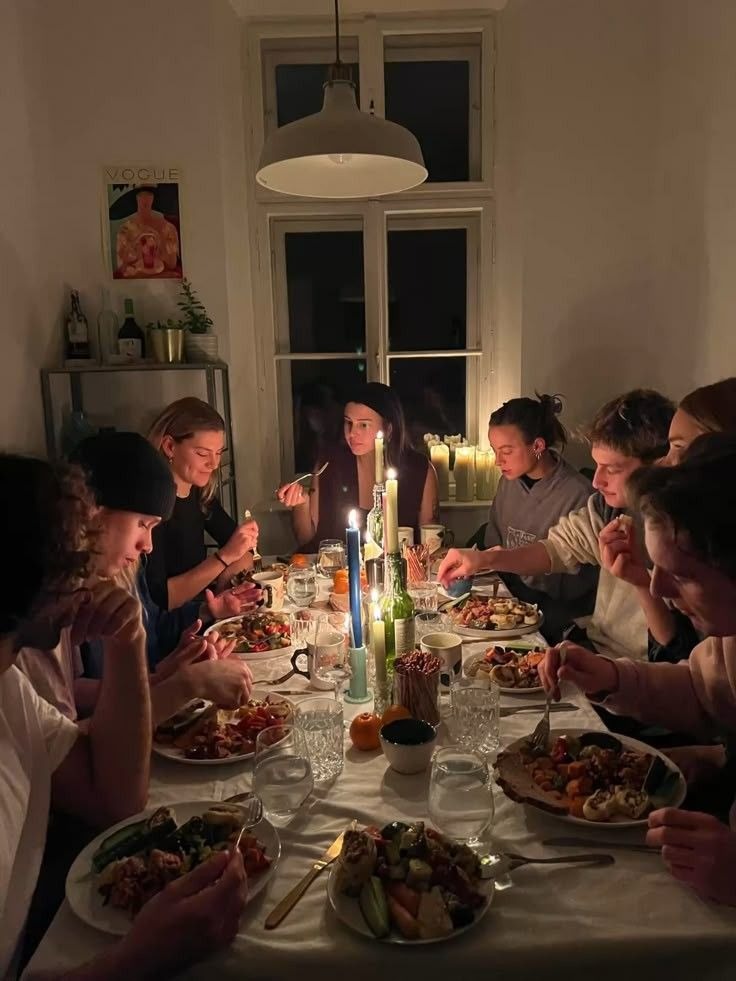
Who Should You Invite?
Welcome party ideas work in almost any setting where someone new has arrived. A few examples:
- New neighbors on your street or in your building
- New classmates and their families
- Families who recently joined your child's sports team
- New members of a PTO, volunteer group, or committee
- New coworkers, especially those who relocated for the role
- Families who recently moved to town
- New members of a club, church, or community organization
One guideline matters more than the rest: keep the guest list intentionally small. Eight to twelve people is a comfortable range for a first welcome gathering. A smaller group makes conversation easier, keeps hosting manageable, and gives new guests a real chance to talk with everyone instead of getting lost in a crowd. You can always host again.
5 Welcome Gathering Ideas
1. Backyard Taco Night
.webp)
Taco night is casual, easy to customize, and naturally social. Guests mingle while building their own meal, which gives even quiet guests something to do with their hands and an easy reason to move around and talk.
Serve two or three seasoned proteins with warm tortillas and a toppings spread of rice, beans, salsa, guacamole, cheese, and lime, plus a batch of agua fresca or margaritas in a glass drink dispenser so guests can help themselves. Prep the toppings earlier in the day and set everything out buffet-style; the Taco Tuesday playbook maps out the menu, timeline, and shopping list if you want the thinking done for you. Aim for a weeknight or weekend early evening, when people can drop in without committing their whole night.
2. Neighborhood Happy Hour

Of all the neighborhood gathering ideas on this list, happy hour is the easiest to say yes to. Adults get real conversation time while kids play outside within sight, and the built-in end time keeps it low pressure for everyone.
Keep the food to simple appetizers: a cheese board, chips and dip, marinated olives, or a veggie platter. Offer one signature drink, wine or beer, and a zero-proof option, and put out gold cocktail picks so garnishes are easy to grab. Station the drinks in one spot so guests naturally gather there; the Perfect Happy Hour with Une Femme playbook has a ready-made plan if you'd rather skip the planning. Friday between 5 and 7 p.m. is the sweet spot: the week is done, and no one expects it to run late.
3. Pizza + Popsicles
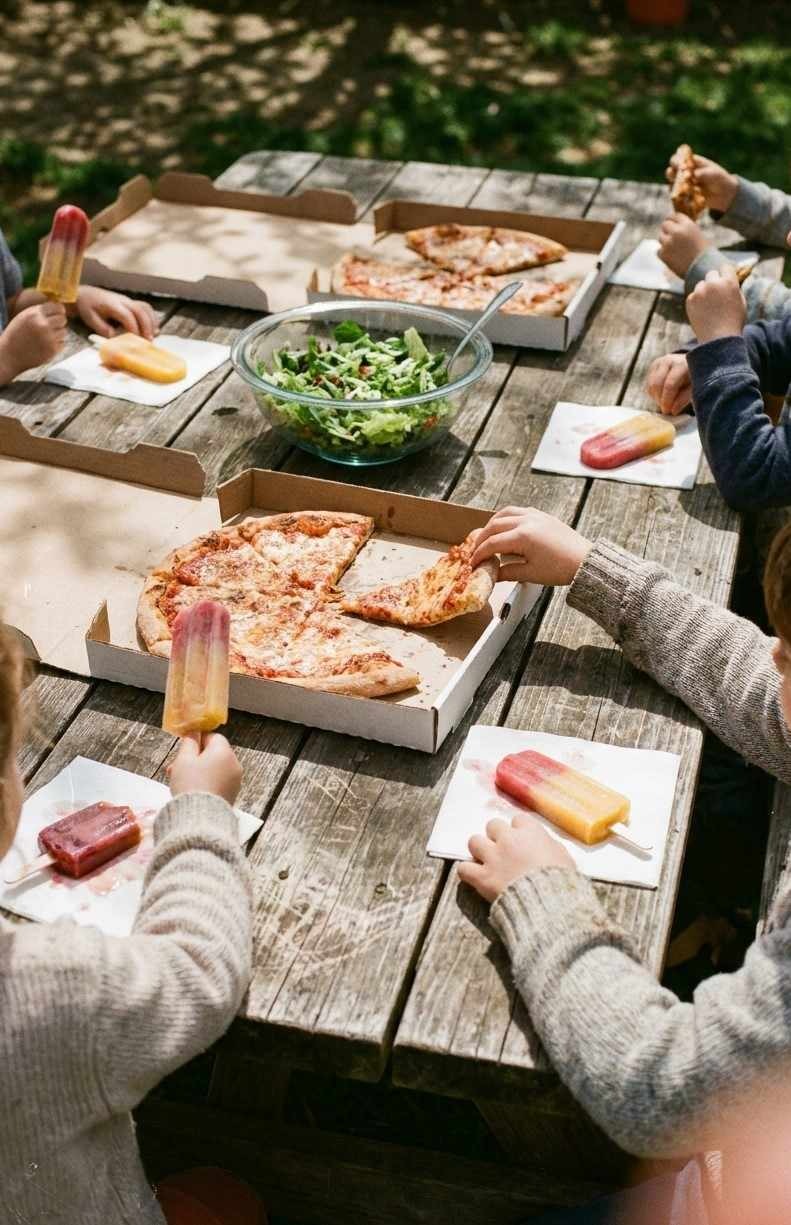
If you're welcoming a family with young children, this is the most relaxed format on the list. Kids eat quickly and go play, and parents get to sit and talk. It's affordable, requires almost no cooking, and feels like a treat for everyone.
Order a few pizzas from a local spot, set out a simple salad, and finish with a freezer full of popsicles, letting kids pick their own flavor (it doubles as an activity). Eat outside if you can, since melting popsicles are much easier to manage on the patio than at the dining table. The Pizza Party playbook covers quantities and timing so you don't over-order. A weekend lunch or an early dinner around 4:30 or 5 p.m. works best, timed around naps and bedtimes.
4. Coffee + Pastries Morning

A morning gathering is low-pressure and conversation-focused. It fits neatly after school drop-off or on a weekend morning, and it wraps up before the day gets busy, which makes it an easy yes for new acquaintances.
Pour good coffee, add a carafe of juice, and arrange a spread of pastries on a serving stand so everything is easy to reach. To make it feel more like brunch, the Brunch Confessions zero-proof cocktail kit gives everyone a fun drink option without any alcohol. Keep the gathering to about 90 minutes and say so on the invitation, since a defined window makes people more likely to come; the Chic Sunday Brunch with Goldie Home playbook is a helpful reference for building a simple morning menu. Aim for 9 to 10:30 a.m. after drop-off, or a relaxed Saturday morning.
5. Potluck in the Park
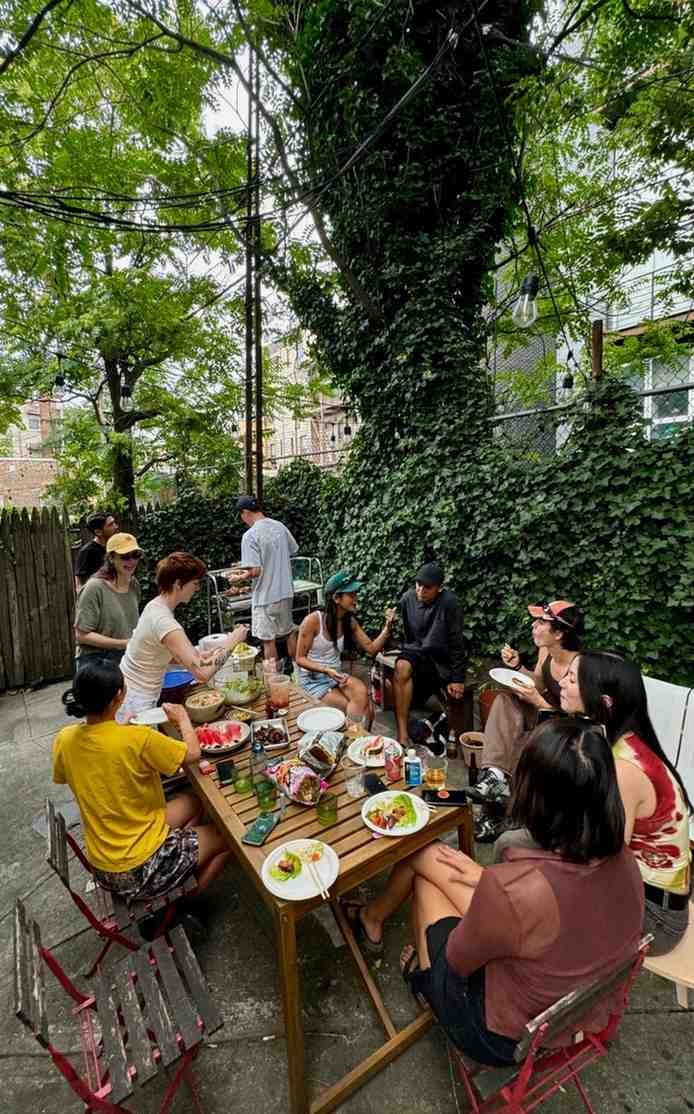
Potluck is the best option for larger neighborhoods or school communities because everyone contributes something. The effort is shared, the cost stays low, and the variety of dishes gives guests a built-in conversation starter.
Assign categories rather than dishes: a few mains, sides, salads, and desserts, and ask guests to bring a serving utensil for what they made. A sturdy carrier like the Le Creuset bakeware tote makes transporting a warm casserole or baked pasta far less stressful. Claim a shaded spot with picnic tables, bring extra water and a trash bag, and text guests the pin location that morning. If allergies are a concern, label dishes with simple note cards. A weekend late afternoon works best, once the heat has eased and families are free.

Small Touches That Make People Feel Included
The format matters less than how people feel once they arrive. A few small habits make a real difference:
- Introduce guests to one another as they arrive, and mention a shared interest when you do. Event planner Corrie Mendes calls this her go-to icebreaker: "I always introduce guests to people they may not know with a common interest. It's a small hosting habit that makes a big difference."
- Use simple name tags if most guests don't know each other. It removes the awkward re-asking of names.
- Have an activity available for kids: sidewalk chalk, bubbles, or a ball is enough.
- Keep music low enough that people can talk without leaning in.
- Set out plenty of casual seating in small clusters rather than one big circle.
- Refill drinks and clear plates quietly in the background so guests can stay in their conversations.
The goal is helping guests feel comfortable, not entertained.

Community Starts With One Invitation
One welcome gathering rarely stays just one. A taco night turns into a standing Friday tradition. A coffee morning turns into a carpool group. The neighbors you welcomed in August are the ones hosting you for the holidays in December. Future dinners, playdates, neighborhood events, and lifelong friendships usually trace back to a single first invitation.
What comes after that first gathering is its own skill. The Challenge No One Talks About After the First Event looks at how hosts keep the momentum going once the welcome party is over, and it's worth a read if you hope your gathering becomes a tradition.
If sending the invitation feels like the hardest part, make it tangible. A printed invite like the Bring Your Own Board party invitation turns a casual idea into a real plan and gives people something concrete to say yes to. Sometimes the hardest part really is simply sending the invitation.
Keep It Simple
A few reminders before you start planning:
- Store-bought food is perfectly fine. Guests remember the conversation, not whether the guacamole was homemade.
- Guests won't remember elaborate decorations. A clean table, a few candles, and enough seating are plenty.
- Focus on creating a relaxed atmosphere. Your ease sets the tone for everyone else.
- Leave room for conversation rather than overscheduling activities.
- The best hosts make people feel comfortable, not impressed.
As event designer Larry Walshe puts it in his Host How I Host interview: "Your guests are coming to spend time with you, not to inspect the house or judge the food, so pour a drink, put on some music and be present. A relaxed host gives everyone else permission to relax, too."
For more repeatable formats, Simple Entertaining Ideas You'll Use Again and Again is a good companion read, and the Partytrick Marketplace has serving pieces and casual entertaining essentials worth browsing once you've picked your format.
Conclusion
Community doesn't happen by chance. It grows through repeated opportunities to gather, and someone has to create the first one. A welcome gathering is one of the easiest ways to help people feel like they belong, and it asks very little of you: a date, a simple menu, and a short guest list. If you've wondered how to build a community where you live, this is the most practical place to start.
You never know which invitation will become the beginning of a lasting friendship or a neighborhood tradition. The only way to find out is to send it.
Ready to plan yours? Create a free Partytrick account to use the playbooks linked above and keep every detail in one place. For more community gathering ideas and hosting inspiration, subscribe to the Partytrick newsletter, and follow along on Instagram and TikTok.
More articles
.jpg)
Easy Gatherings for College Move-In Weekend
This blog shares simple college move-in weekend gathering ideas that help students, roommates, and parents connect, feel more settled, and start building community from day one.
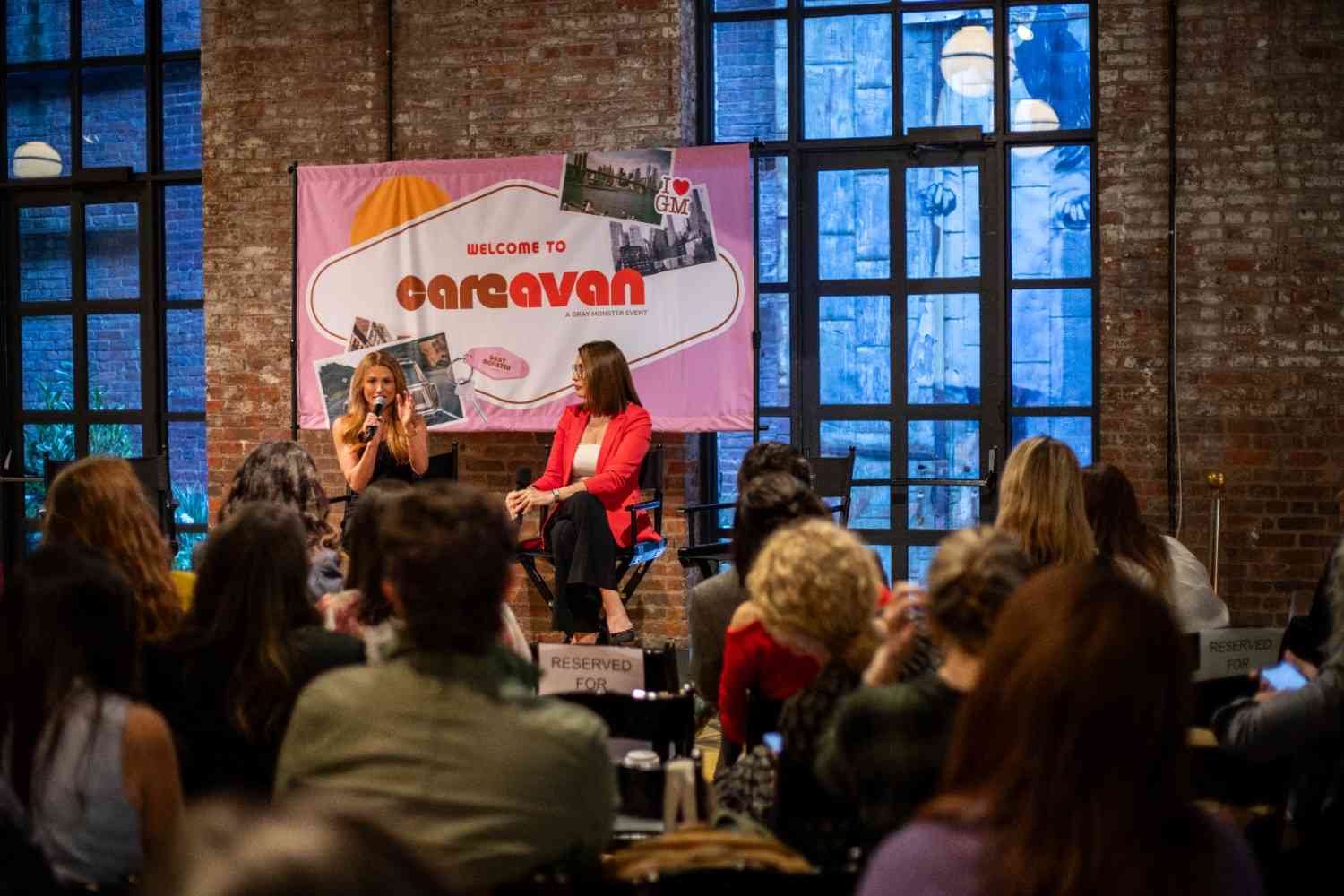
How to Organize Recurring Events for Your Team
To successfully scale recurring events, teams must shift from treating each gathering as a one-off project to building a shared, repeatable system that leverages documented timelines, vendor details, and past feedback to make future planning effortless.
The End-of-Summer Dinner Party
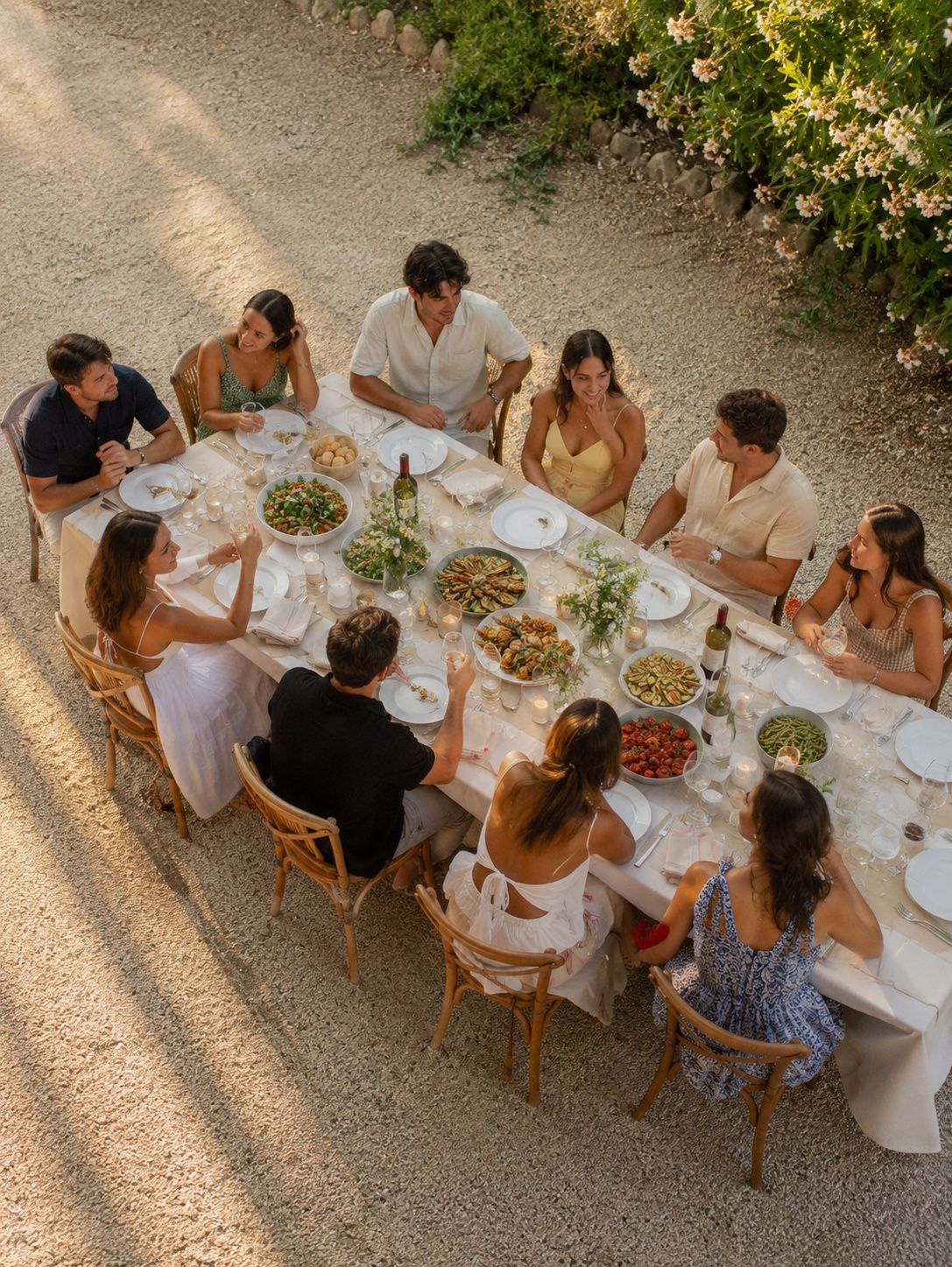
Simple Outdoor Ideas for Late Summer. Host one more end-of-summer dinner party before fall begins with simple seasonal menu ideas, outdoor table inspiration, and easy ways to make the evening feel memorable.

Sign up for expert tips, exclusive content, and the 411 on the latest parties—all straight to your inbox.
Your shortcut to stress-free hosting
Spend less time coordinating and more time actually connecting.