


.jpg)
Why Micro Hosting Is Replacing Big Dinner Parties
For years, entertaining was often associated with elaborate dinner parties: a full menu, a beautifully set table, and the quiet expectation that everything should feel perfectly coordinated.
Hosting meant performing, planning for weeks, shopping for specialty ingredients, and worrying about whether the playlist, the lighting, and the timing of the main course were all just right.
Today, many people are moving in a different direction.
Instead of hosting twelve people for a formal meal, they’re inviting two friends over for pasta, drinks on the patio, or a casual Sunday brunch. This shift toward smaller, simpler gatherings is often referred to as micro hosting and it’s quickly replacing the traditional big dinner party as the default way people connect at home.
Micro hosting makes gathering feel more sustainable by reducing logistical overwhelm, creating more ease for the host, and leaving more room for genuine connection.
What is micro hosting?
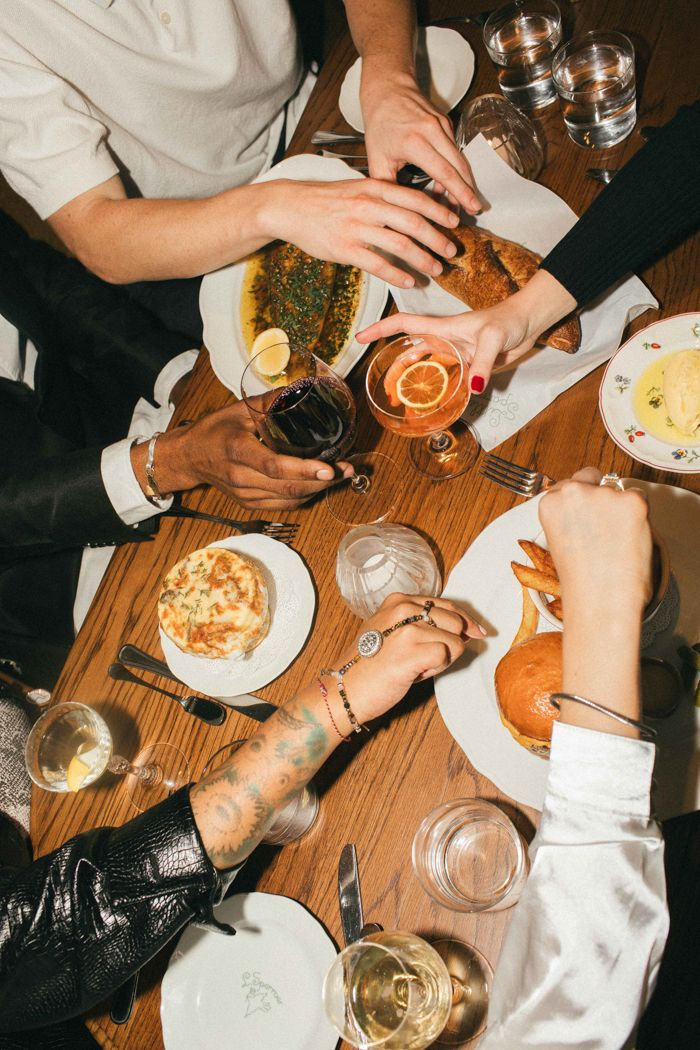
Micro hosting is the practice of gathering a small group (typically two to eight guests) in a way that keeps the format simple and the pressure low. Think: fewer moving parts, fewer expectations, and less production.
At its core, micro hosting usually includes:
- Small guest lists that are easier to coordinate (and easier to actually enjoy)
- Minimal preparation often just one simple dish, a snack spread, or a favorite takeout order
- A casual format (weeknight hangs, coffee catch-ups, come as you are vibes)
- A deliberate focus on connection over perfection, where conversation matters more than centerpieces
It’s hosting designed for real life. Busy schedules, smaller spaces, and the desire to see people more often without making it a whole event.
Why people are embracing smaller gatherings
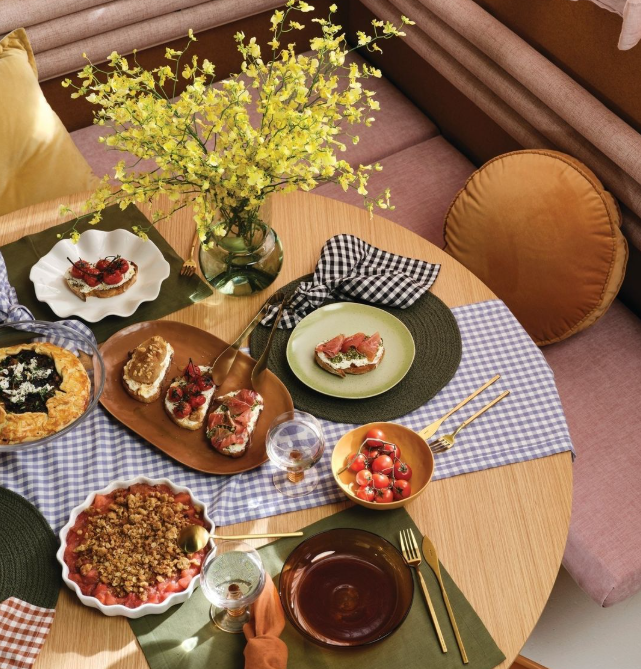
The biggest reason micro hosting is taking off is simple: it feels doable. Traditional dinner parties can be wonderful, but they’re also time-consuming, often requiring a level of energy that most people can’t (or don’t want to) summon regularly.
Micro hosting removes the friction that keeps people from inviting others over.
Here’s what’s driving the shift:
- Less stress. With fewer guests, there’s less to manage, fewer plates, fewer preferences, fewer ‘what if something goes wrong’ moments.
- Lower cost. Feeding four people well is fundamentally different from planning a multi-course meal for twelve.
- Easier scheduling. Coordinating a small group is faster, and it’s easier to say yes to a spontaneous invite when the commitment is smaller.
- More meaningful conversations. Smaller groups naturally create space for everyone to speak, connect, and settle into the moment.
- More frequent hosting. When hosting stops being a once-a-quarter production, it becomes something you can do often, which is where the real magic is.
In a world where time is tight and attention is fragmented, micro hosting offers something rare: a repeatable way to feel close to people without needing a special occasion.
What micro hosting looks like in real life
Micro hosting isn’t one style. It’s a flexible approach that can fit your schedule, your space, and your energy. The best micro gatherings are often the ones that feel simple enough to repeat.
A few realistic formats:
- Wine and cheese for four. A couple bottles, a few cheeses, something crunchy, something sweet—done.
- Weeknight pasta night. One pot of pasta, one salad, and a loaf of bread. You can talk while it cooks.
- Coffee and pastries on a Saturday morning. No formal hosting, just a calm window to catch up.
- Backyard cocktails. A batch drink, ice, and a bowl of chips. The outdoors does the decorating.
- Sunday soup night. A big pot, cozy bowls, and a ‘help yourself’ rhythm that makes everyone feel at home.
If you’re looking for micro hosting formats that work well in tight spaces, you might also like How to host in a small apartment (a helpful read when your guest list is small but your square footage is smaller).
Why micro hosting often feels more memorable

It’s easy to assume that ‘bigger’ equals more special, but in practice, many hosts find the opposite: micro gatherings feel more memorable because they’re more personal.
With fewer guests, you can create:
- Greater intimacy. People share more when they feel seen.
- Better conversation. No shouting across the table, no constant seat-switching, no “I didn’t get to talk to you all night” regret.
- A relaxed atmosphere where the host isn’t stuck in the kitchen managing timing and temperature.
- More comfortable guests. Smaller groups tend to feel safer and less performative, which helps people settle in faster.
The gatherings people remember most are often the ones that leave them feeling relaxed, connected, and restored long after the evening ends.
How to host without overcomplicating it
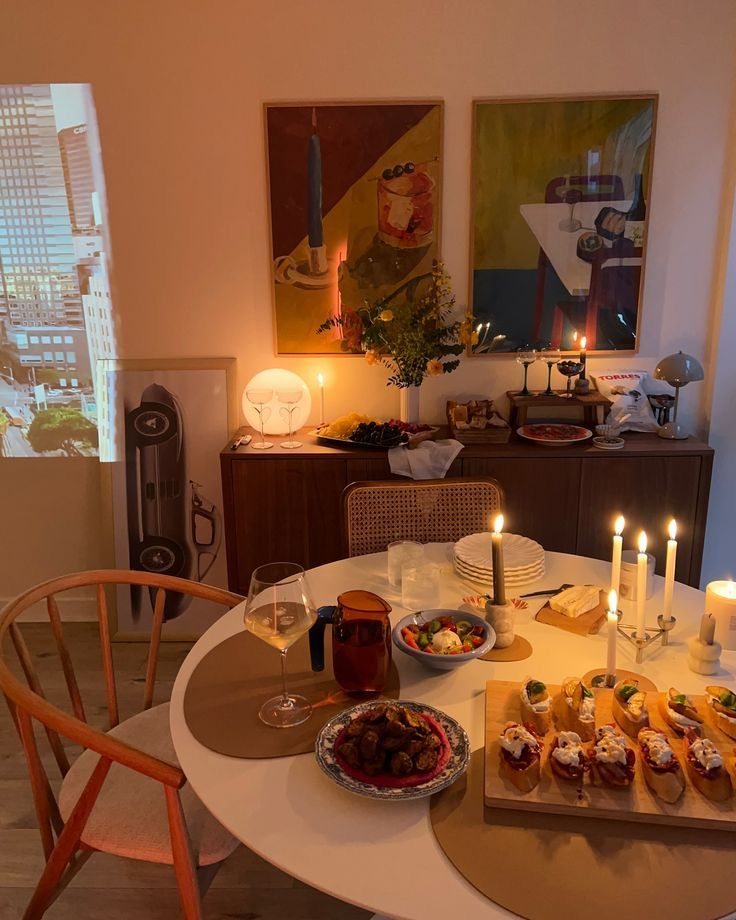
Micro hosting works best when you build a few defaults you can reuse. The goal isn’t to reinvent the wheel every time, it’s to make gathering something you can do on a random Wednesday.
A few low-stress ways to keep it simple:
- Keep the menu easy (and repeatable).
Choose one dish you can make without thinking. Pasta, tacos, a roast chicken, or a big salad plus something warm. If you love a snack spread, a grazing setup can carry the entire night without ever becoming a dinner party.
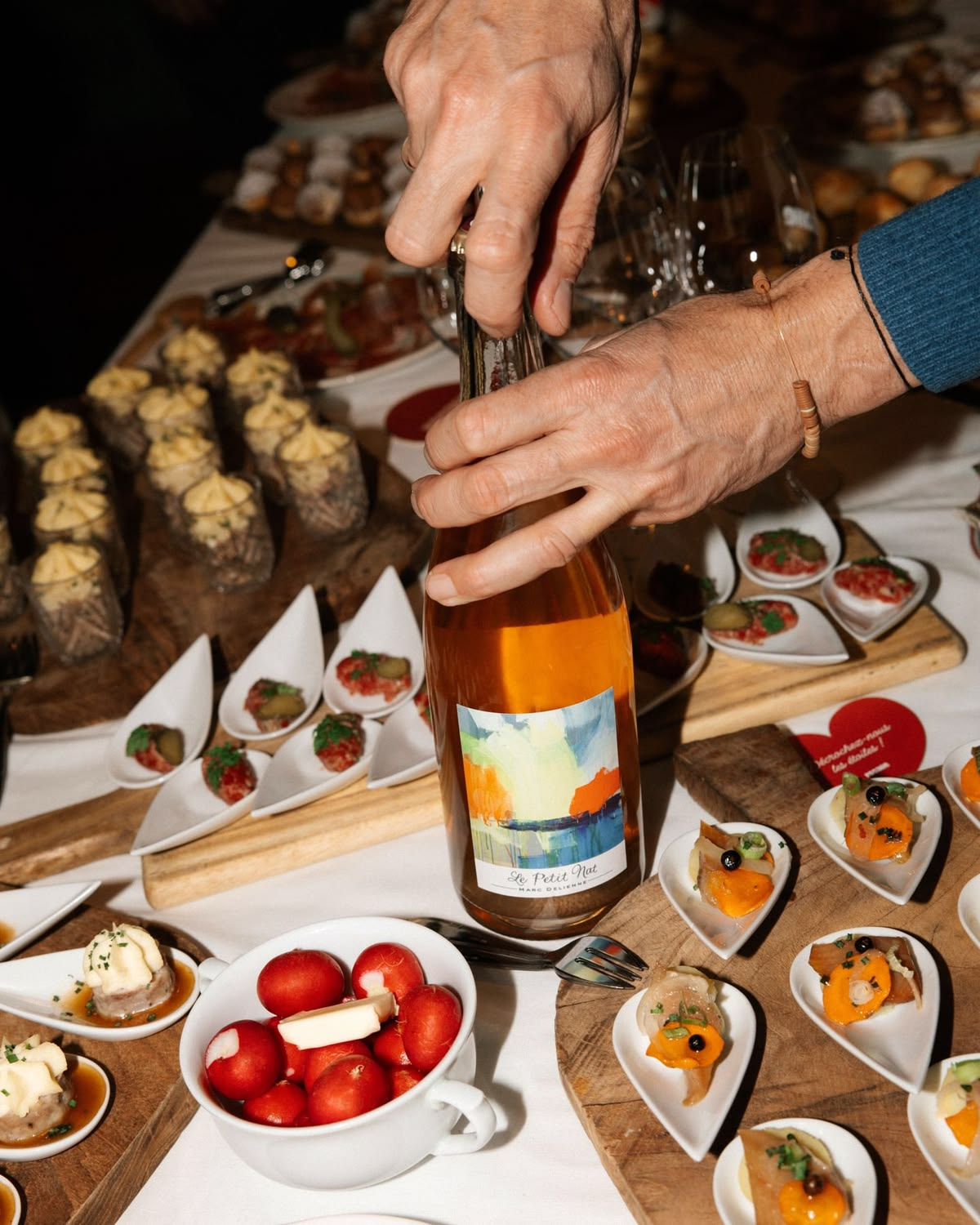
If grazing-style hosting is your thing, a well-built spread can make the entire evening feel effortless. A mix of cheeses, dips, fruit, bread, olives, and small bites creates the kind of abundance that encourages people to linger, snack slowly, and settle into conversation without the pressure of a formal meal. - Use what you already own.
You don’t need matching dishes or new glassware. Micro hosting is permission to be practical: mugs for wine, a sheet pan as a serving tray, a cutting board as the charcuterie board. - Rely on simple formats.
When you repeat a format (pasta night, coffee morning, patio drinks), planning becomes almost automatic. Guests also love knowing what to expect. - Focus on atmosphere, not aesthetics.
A tidy space, a playlist, and one warm light source (candles, a lamp, string lights) can do more than an elaborate tablescape. People remember how they felt, not whether your napkins matched.
If you’re trying to keep the vibe elevated without overspending, you can also weave in Best hosting items under $50, a practical list for small upgrades that actually make hosting easier.
The emotional appeal of micro hosting

At a deeper level, micro hosting is about more than logistics. It’s about the emotional experience of inviting people into your everyday life, without waiting for the right moment.
Small gatherings create a kind of comfort that big events can’t always deliver. They’re quieter. Less performative. More forgiving. People can arrive as they are—tired, stressed, mid-week—and still feel welcomed.
Micro hosting also builds belonging through repetition. When you gather more often, connection stops being something you schedule far in advance. It becomes something you practice. Tiny, consistent moments of community that make life feel fuller.
In a culture that’s increasingly busy, digital, and overscheduled, micro hosting is a gentle rebellion: a way of saying, “I want to see you, and it doesn’t have to be complicated.”
How Partytrick helps you host more often
Partytrick makes micro hosting feel even easier by turning simple ideas into clear plans. With playbooks, timelines, and curated recommendations, you can choose a gathering format and quickly know what to prep, what to buy, and what to keep simple, so you can spend less time planning and more time connecting.
Create a free Partytrick account to access simple hosting playbooks, timelines, and curated recommendations for easy gatherings of any size.
FAQ
What is micro hosting?
Micro hosting is the practice of inviting a small number of people over for casual, low-pressure gatherings.
Why are small gatherings becoming more popular?
They are easier to plan, less expensive, and often lead to more meaningful connections.
How many people are typically invited to a micro-hosted gathering?
Most micro gatherings include between two and eight guests.
What are examples of micro hosting?
Weeknight dinners, aperitivo nights, coffee dates, and casual backyard hangs.
More articles
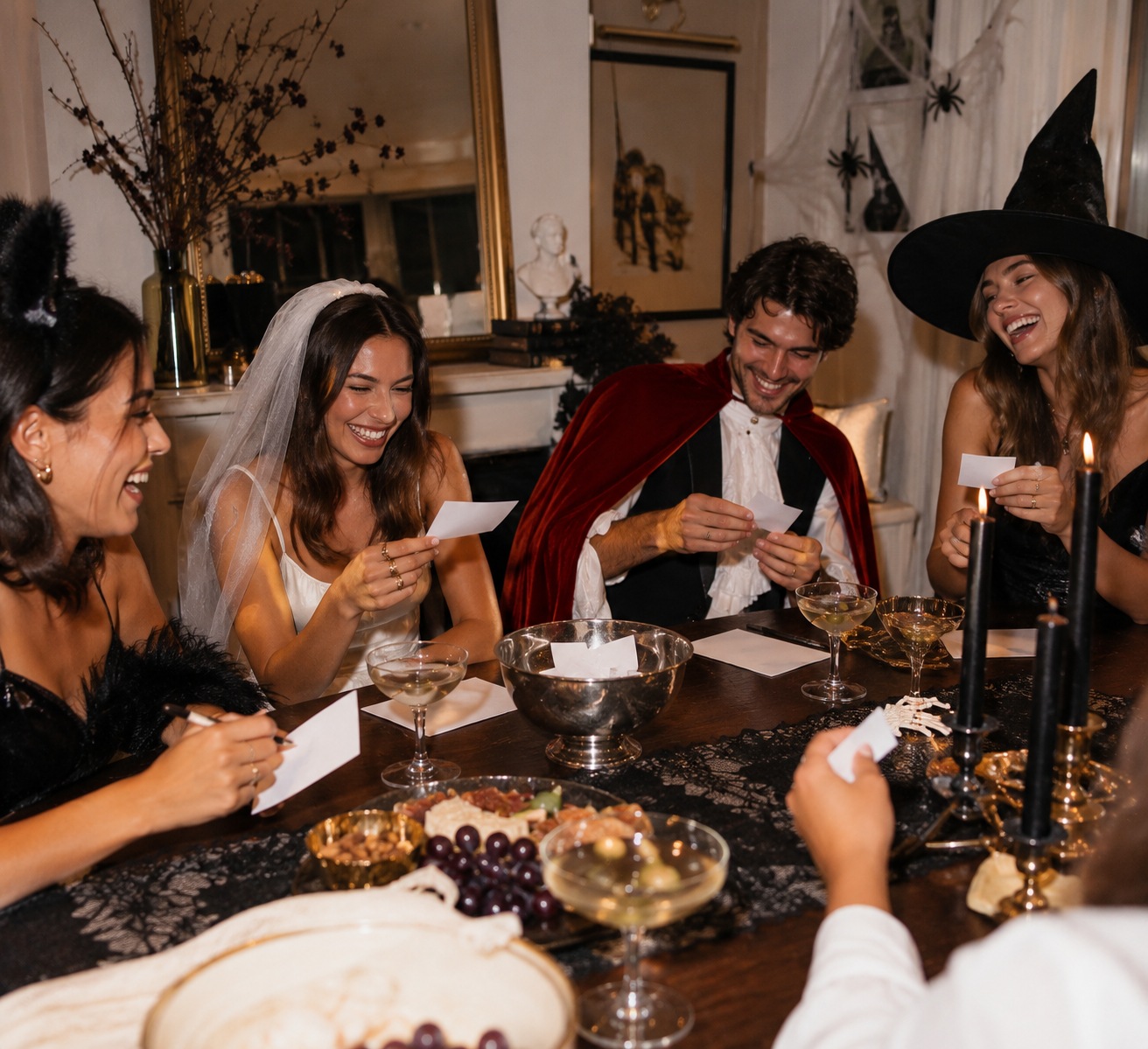
Ask Partytrick: How to Host an Adult Halloween Party on a Budget
Host a fun, grown-up Halloween party on a budget with simple decorations, mostly store-bought food, easy activities, and stress-free planning using Partytrick.


Host How I Host: Lindsay Landman on Thoughtful Hosting and Guest Comfort
Event planner Lindsay Landman shares how comfort-first choices—from flexible timing and generous self-service to personal place cards—help guests feel welcomed and remembered.
.webp)
How to Decorate for Hanukkah
Your easy guide for how to decorate your home for Hanukkah. Let it be aglow.

Sign up for expert tips, exclusive content, and the 411 on the latest parties—all straight to your inbox.
Your shortcut to stress-free hosting
Spend less time coordinating and more time actually connecting.